


LCGC International is celebrating the National Day of Women and Girls in Science by highlighting the work of women in analytical chemistry.
LCGC International is celebrating the National Day of Women and Girls in Science by highlighting the work of women in analytical chemistry.

Research conducted by The Technology Transfer Center of the Edmund Mach Foundation (San Michele all'Adige, Italy) and the University of Udine (Udine, Italy) used liquid chromatography coupled with high-resolution mass spectrometry (LC-MS) to investigate alkaloid transfer from alpine pastures to milk.

A study by the United Arab Emirates University aimed to develop and validate a sensitive method for the determination of six key phytohormones in aloe vera using liquid chromatography-tandem mass spectrometry (LC-MS/MS).

A study aiming to identify fluorescent bioactive compounds in the coelomic fluid of earthworms, as well as to investigate their structural and functional characteristics for possible use in biomedical applications, utilized a variety of chromatographic techniques.

Gel permeation chromatography, three-dimensional excitation-emission matrix fluorescence spectroscopy, and UV-visible spectroscopy was utilized to assess road runoff passed through a filter filled with sludge from drinking water treatment plants to evaluate its capacity for removing dissolved organic matter (DOM).

A recent study described develops methods for synthesizing and quantifying metal-induced glycation products, particularly in French fries, with phytic acid as a natural chelating agent (NCA). LCGC International spoke to Makan Golizeh, corresponding author of the paper inspired by this research, about the study and the team’s use of liquid chromatography-tandem mass spectrometry (LC–MS/MS) in their research.

A recent study used a liquid chromatography-drift tube ion mobility spectrometry-high resolution mass spectrometry (LC-DTIMS-HRMS) platform to contribute to characterizations of 175 per-and polyfluoroalkyl substances (PFAS) with authentic standards in a multidimensional manner.

Researchers have developed a method employing high performance liquid chromatography with ultraviolet detection (HPLC-UV) to determine vitamin D3 in food (even in the presence of vitamin D2, and with a specific focus on egg yolk) in a cost-effective and quantitative manner.

Researchers employed direct infusion/liquid chromatography-tandem mass spectrometry in their exploration of the potential of metabolomics to examine probable primary and secondary brain injury in severe traumatic brain injury.

Researchers from the University of Bordeaux (Villenave d'Ornon, France) report the development and validation of a rapid and quantitative analytical method measuring crown procyanidin concentration in red and white wines using ultra-high performance liquid chromatography (UHPLC) coupled with a ultra-high performance liquid chromatography (Q-TOF) mass spectrometer.

A recent study aimed to comprehensively analyze the distribution and diversity of VOCs in 22 wild strawberry varieties using headspace solid-phase microextraction-gas chromatography–mass spectrometry (HS-SPME-GC–MS) technology.
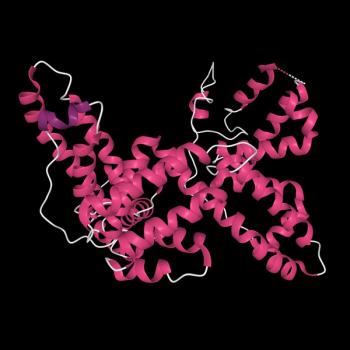
Can a protein involved in delivering Vitamin D to target tissues have an altered serum profile in psoriasis patients with cardiovascular disease? Researchers used liquid chromatography (LC) to help find out.

LCGC International spoke to Michelle Klein from the Faculty of Chemistry of the University of Duisburg-Essen (Essen, Germany) about how, by using the green analytical chemistry tool Analytical GREEnness (AGREE) and the white analytical chemistry (WAC) framework, her team was able to conduct a comparative analysis of gas chromatography-tandem mass spectrometry (GC–MS/MS), liquid chromatography-tandem mass spectrometry (LC–MS/MS), and the yeast-cell-based reporter gene assay (A-YES).

The objective of this study was to investigate contamination by 32 plasticizers in olive oil throughout its production and packaging process. Separation and detection were carried out by gas chromatography tandem mass spectrometry (GC–MS/MS), without the need for pre-concentration steps.

A recent study aimed to investigate the impact of lavender essential oil (LEO) and of its terpenic components on the properties of glioblastoma (GBM) cells in an in vitro model. The study demonstrated that LEO induces a proliferation slowdown and an impairment of cell migration of GBM cells besides reducing oxidative stress.

New research characterizes walnut milk residue according to its phenolic content and antioxidant and cytotoxic potential using ultrahigh-performance liquid chromatography–electrospray tandem mass spectrometry (UHPLC–ESI-MS/MS).

A recent study aimed to directly compare the changes in serum metabolites among very low birth-rate (VLBW) infants following the administration of the soybean oil-based lipid emulsion and soybean oil, medium-chain triglycerides, olive oil, and fish oil (SMOF) lipid emulsion using untargeted metabolomics techniques.

Differences in serum metabolites of sheep infected with Echinococcus granulosus were analyzed using ultrahigh-performance liquid chromatography (UHPLC) separation with tandem mass spectrometry (MS/MS) detection, providing a basis for the early diagnosis and pathogenetic study of cystic echinococcosis (CE) in intermediate hosts at the metabolomics level.

In forensic science, scientific testimony is routinely presented in court to juries who may have limited or no scientific background, putting law enforcement and defense personnel in the position of having to make rapid decisions in short timeframes based on findings of which they are not specialists. Katelynn Perrault Uptmor, Assistant Professor of Chemistry at William & Mary (Williamsburg, Virginia) believes that the introduction of new technologies into the framework of routine forensic analysis must therefore bridge the gap between introduction of new and novel analytical science and the communication of that science to a court of law, and that analytical chemistry research must be mindful of the need to fill this gap in promoting new technologies.
Researchers employed a gas chromatography-mass spectrometry (GC–MS)-based metabolomic approach combined with sophisticated statistical methods to identify metabolic biomarkers in coronary heart disease (CHD), hypertension-comorbid CHD, depression-comorbid CHD, and type 2 diabetes mellitus (T2DM)-comorbid CHD to provide an objective diagnostic method and help identify metabolomic signatures to better identify risk groups early, as well as improve understanding of pathophysiologic pathways.

Davy Guillarme of the Institute of Pharmaceutical Sciences of Western Switzerland and the School of Pharmaceutical Sciences at the University of Geneva (Switzerland) recently spoke with LCGC International about his work analyzing therapeutic oligonucleotides.

Testosterone measurements are typically performed using serum or plasma, but this presents several logistical challenges, especially for sample collection, storage, and transport. In a recently published article, Yehudah Gruenstein of the University of Miami explored key insights gained from dried blood spot assay validation for testosterone measurement.

A recent study examines the specific traits of the intestinal microbiota and metabolites in Bactrian camels. The results of profiling 36 intestinal mucosal samples from six Bactrian camels using liquid chromatography with tandem mass spectrometry (LC-MS/MS) provides valuable data for understanding the relationship between regional intestinal immunity and the general health and disease of the host.

A recent study used gas chromatography-mass spectrometry (GC-MS) to evaluate the potential of the foliar application of C. vulgaris extract to improve crop yield, chemical composition, and antioxidant and antibacterial activities of the essential oil of spearmint.

Researchers from the University of Copenhagen (Denmark) have developed a broad screening strategy using evaporation enrichment and liquid chromatography high-resolution mass spectrometry (LC–HRMS) to evaluate migration of non-volatile chemicals from various reusable plastic bottles. LCGC International spoke to Selina Tisler, corresponding author of a paper resulting from the research, about this strategy.

Research conducted by the Chinese Academy of Tropical Agricultural Sciences (Wenchang, China) investigated the changes in flavonoid metabolite profiles in coconut water from two varieties, Wenye No.5 (W5) and Hainan local coconut (CK), across six developmental stages, utilizing liquid chromatography-tandem mass spectrometry (LC–MS/MS) in their work. Their findings have repercussions in yielding coconut-based products offering superior nutritional and functional properties.

Citrinin, a hepato-nephrotoxic mycotoxin produced by fungal species, plays a crucial role in the fermentation of red rice to produce red yeast rice-based food supplements, which represent the primary source of human exposure to this contaminant. A recent study conducted by the University of Valencia and the Public Health Laboratory of Valencia (Spain) developed and validated a simple and sensitive analytical method for the citrinin determination in these products.

To determine sample patterns and identify possible markers of quality, variety, or origin to deal with authentication or fraud detection issues, researchers from the University of Barcelona’s Department of Chemical Engineering and Analytical Chemistry characterized dark chocolate samples according to geographical origin, cocoa variety, and cocoa content. Filtered extracts were analyzed by reversed-phase high performance liquid chromatography (RP-HPLC) with ultraviolet (UV) and spectrophotometric methods to establish individual phenolics and overall indexes of antioxidant and flavonoid content.

A recent study conducted at the Department of Biotechnology of Thapar Institute of Engineering & Technology (Punjab, India) examined the isolation and characterization of catechin-producing endophytic fungi isolated from tea leaves, their chemical characterization, and associated bioactivities. LCGC International spoke to Priyankar Dey of the Thapar Institute of Engineering & Technology about the work done by his group, and the paper that resulted from it.

LCGC International spoke to Silvia Valverde and Ana María Ares of this group about their research and the resulting article.