

Waters Corporation is merging with BD’s Biosciences and Diagnostic Solutions business in a $17.5 billion deal to expand its capabilities in life sciences and diagnostics.
Waters Corporation is merging with BD’s Biosciences and Diagnostic Solutions business in a $17.5 billion deal to expand its capabilities in life sciences and diagnostics.
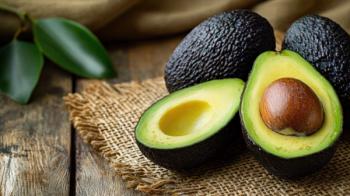
Researchers at the University of Caldas (Manizales, Caldas, Columbia) investigated the volatile organic compounds comprising the volatilome of Hass avocado peel, pulp, and seed grown in the northern Caldas (as well as avocados purchased from commercial sources), employing headspace solid-phase microextraction (HS-SPME) coupled with gas chromatography-mass spectrometry (GC–MS) for their extraction and identification.

Researchers speculating that exposure to paraben in early childhood is associated with changes in satiety hormones performed analysis of urinary methyl, ethyl, propyl, and butylparaben (MeP, EtP, PrP, BuP) levels in 4–6-year-old children, using ultra-performance liquid chromatography-tandem mass spectrometry (UPLC-MS/MS).

Researchers from the University of Campinas (Campinas, Brazil) and the Waters Research Center (Budapest, Hungary) introduced a rapid, automated method using laser-assisted rapid evaporative ionization mass spectrometry (LA-REIMS) with high-resolution mass spectrometry to fingerprint coffee samples and predict sensory properties. LCGC International spoke to Leandro Wang Hantao of the University of Campinas regarding their work and the paper that resulted from it.

This week, LCGC International published a variety of articles on hot topics in separation science. Several analytical techniques were covered in these articles, including gas chromatography–mass spectrometry (GC–MS) and liquid chromatography–MS (LC–MS).

Research conducted by the University of Florida and the University of California used targeted metabolomics in pomegranates to profile essential primary and secondary metabolites, including organic acids, amino acids, sugars, hormones, and phenolic compounds, using gas chromatography mass spectrometry (GC-MS) and liquid chromatography mass spectrometry (LC-MS).

In a new study, researchers from the University of Milan used high-performance liquid chromatography (HPLC) to phytochemically profile residual leaves of Carciofo di Malegno, a traditional Italian artichoke variety.
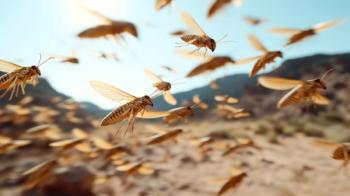
A multinational research team used behavioral assays and gas chromatography-mass spectrometry (GC-MS) to examine short- and long-term interactions between juvenile and adult desert locusts to test their hypothesis that cross-stage interactions influence juvenile cohesion and physiological traits.
Shifts in U.S. federal science funding—driven by the newly established Department of Government Efficiency (DOGE)—are causing delays, uncertainty, and program changes across academic and regulatory research institutions.

In a press release, the U.S. Department of Energy's Pacific Northwest National Laboratory announced that BaySpec, an optical instrument manufacturer company, will be commercializing their VaporID device later this year.

An improved method for the extraction of proteins from human skin samples involved the acquisition of proteomic data through nano liquid chromatography tandem mass spectrometry (nano LC-MS/MS).

Seven research teams from universities across the United States and Canada have been honored for their collaborative efforts that integrate automation and artificial intelligence (AI) to tackle fundamental scientific challenges.

At HPLC 2025 in Bruges, Belgium LCGC International interviewed a member of our editorial advisory board (EAB), Paul Ferguson, a leading voice in sustainability in the pharmaceutical sector, to explore the intersection of green chemistry and emerging therapeutics.

A recent study conducted by the University of Amsterdam (Amsterdam, Netherlands) and the University of Queensland (Queensland, Australia) developed a novel prioritization strategy that directly links fragmentation and chromatographic data to aquatic toxicity categories, bypassing the need for identification of individual compounds. LCGC International spoke to Viktoriia Turkina of the University of Amsterdam, lead author of the paper that resulted from this study, about their work.

A joint study between Selçuk University (Konya, Turkey) and Hitit University (Corum, Turkey) determined the natural occurrence and concentrations of the mycotoxins ochratoxin A (OTA) and deoxynivalenol (DON) in commercially available tortillas in Turkey. Contamination levels were quantified using validated analytical methods based on high-performance liquid chromatography (HPLC) coupled with fluorescence or ultraviolet detectors (HPLC-FLD or HPLC–UV).

Researchers from the University of Murcia (Murcia, Spain), the Carlos III Health Institute (Madrid, Spain), and the University of Siena (Siena, Italy) evaluated the concentration of polychlorinated biphenyls (PCBs) in chinstrap penguins and krill from Deception Island (South Shetland Islands, Antarctica) to provide additional data of the PCB presence in Antarctica. To this end, 34 samples of different tissues corresponding to four adult specimens and six chicks were analyzed with gas chromatography.

A study from Justus Liebig University Giessen presents a novel, cost-effective method for evaluating the safety of personal care products using high-performance thin-layer chromatography (HPTLC) combined with planar bioassays.

A new cancer detection test to analyze volatile organic compounds through urine analysis, was granted the Breakthrough Device Designation status by the U.S. FDA. The system, which is built on gas chromatography–mass spectrometry (GC–MS) and proprietary AI, generates real-time cancer risk scores.
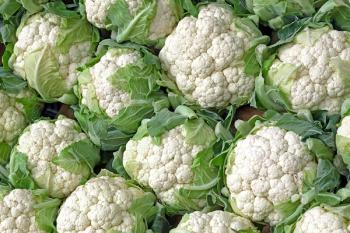
Researchers at the ICAR-Indian Agricultural Research Institute (New Delhi, India) investigated the endogenous levels of gibberellins (GAs) at six different developmental stages and four time points in four varieties of cauliflower using high-performance liquid chromatography (HPLC).

Women in analytical chemistry face persistent barriers, but grassroots efforts like Sisters in Science are changing the narrative through mentorship, visibility, and bold career shifts.

LCGC International spoke to Mimi den Uijl, Noor Abdulhussain, and Lotte Schreuders, the Sisters in Science—an initiative committed to breaking stereotypes and redefining how women in STEM are represented.

In this article, you’ll find some of the top content that was published on LCGC this week, including a technical article on food flavor and an interview with the president of Shimadzu Europa.

The panel concludes by envisioning the future of PFAS research and analysis.

A recently published study set out to determine whether serum metabolic signatures inform on the relationship between healthy lifestyle and colon cancer risk. Serum samples were analyzed using liquid chromatography-mass spectrometry (LC-MS).

The conversation turns to collaboration—highlighting the value of cross-sector partnerships in advancing PFAS science, securing funding, and fostering scientific progress.

Can the peony, a plant having a long history of consumption and medicinal value in China, play a role in the treatment of type 2 diabetes mellitus? Researchers using liquid chromatography-tandem mass spectrometry (LC-MS/MS) and high-performance liquid chromatography (HPLC) set out to find the answer.

Panelists discuss the creation and use of PFAS libraries and databases, stressing the need for comprehensive, up-to-date resources to support accurate compound identification.

A study conducted by researchers at the University of British Columbia (Vancouver, Canada) used gas chromatography coupled with flame ionization detection (GC-FID) to develop an automated sampling protocol applied to indoor rooms of a cannabis cultivation and a cannabis processing facility to investigate the temporal concentration profile and emissions of 22 terpenes.

Scientists examine the role of non-targeted analysis in discovering unknown PFAS, and how automation and data processing tools are accelerating this work.

In the final moments of our time with Tian (Autumn) Qiu, winner of the ASMS 2025 Research Award, she discusses what initially drew her to the conference and what makes her enjoy returning.