

As part of our Women's History Month coverage, we talked with Iulia Macavei of Evosep about her PhD thesis on mass spectrometry-based proteomics and her role in the Fundrasing Committee for Females in Mass Spectrometry (FeMS).
As part of our Women's History Month coverage, we talked with Iulia Macavei of Evosep about her PhD thesis on mass spectrometry-based proteomics and her role in the Fundrasing Committee for Females in Mass Spectrometry (FeMS).

Iowa State University researchers evaluated imidazolium-based ZILs with sulfonate and triflimide anions to understand the influence of ZILs’ chemical structures on polar analyte separation.

David Megson from Manchester Metropolitan University in Manchester, UK, spoke to LCGC International about the latest developments in non-targeted analysis (NTA) of per- and polyfluoroalkyl substances (PFAS) in environmental matrices based on a recent systematic review paper he has collaboratively published (1).

The conference will return to its original home in Pittsburgh, after the inaugural event was held at the William Penn Hotel in the city in 1950.

Cinnamon and its byproducts have been used for many years because of their antidiabetic effect. In a joint study conducted by Gazi University (Ankara, Turkey) and Düzce University (Düzce, Turkey), high performance liquid chromatographic (HPLC) and thin-layer chromatography (TLC) analyses, macroscopic analyses, and enzyme inhibition assays on diabetes-related enzymes were performed on cinnamon samples to determine whether they are safe to use for health purposes.
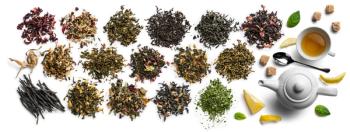
As the organic tea industry grows, verifying its authenticity is essential for maintaining market stability. A recent study proposed a model for distinguishing organic tea from conventional varieties, with components (water extract, polyphenols, mineral element) of each type compared through high performance liquid chromatography (HPLC), inductively coupled plasma–mass spectrometry (ICP-MS), and mass spectrometry (MS) analysis.

A study conducted at Henan University of Science and Technology (Luoyang, China).aimed to characterize the pharmacokinetic profiles of milbemycin oxime in Pekingese dogs following a single oral (PO) and intravenous (IV) dose. Blood samples were collected at various time points, with milbemycin oxime concentrations measured using a validated high performance liquid chromatography (HPLC) method with ultraviolet (UV) detection.

Emanuela Gionfriddo and Madison Williams from University at Buffalo, the State University of New York, NY, USA discuss the important role that solid-phase microextraction (SPME) techniques with gas chromatography mass spectrometry (GC–MS) can play in the analysis of per- and polyfluoroalkyl substances (PFAS).

Research on plastics in aquatic environments is well-established, but little is known about their presence, pathways, and effects in soil ecosystems. The iMulch project aims to address this need as well as the growing concern of plastic pollution in soils. Focusing on developing and validating methods to detect micro- and macroplastics in soils and drainage waters, with an emphasis on how drainage water impacts municipal wastewater treatment, a key aspect of the study is analyzing plastic emissions from agricultural mulch films. We spoke to Carmen Wolf of the Institute for Environment and Energy, Technology and Analytics e.V. (IUTA) in Duisburg, Germany, corresponding author of a recent paper on the project, about the investigations involved and how separation science was used in their experimentation.

Here is some of the most popular content posted on LCGC International this week.

A pyrolysis gas chromatography-mass spectrometry (Py-GC/MS) methodology has been specifically developed for the identification and quantification of seven polymers commonly found in tap water. The researchers responsible for the approach state that it prioritizes both time and cost efficiency without compromising the thoroughness of marker spectrum detection and confirmation.

As the poultry sector in Côte d`Ivoire (The Ivory Coast) expands and huge quantities of waste are generated, researchers analyzed the risks associated with the discharge of poultry slaughterhouse waste in public landfill sites in Abidjan, the county’s largest city. Chemical and microbiological analysis of 30 poultry slaughter waste samples from 10 Abidjan communities was performed using high performance liquid chromatography (HPLC) and detection of pathogenic bacteria on specific media, respectively.

The nonsteroidal anti-inflammatory drug (NSAID) flunixin meglumine has been approved by the FDA for fever associated with bovine respiratory disease or mastitis and for control of pain from foot rot in cattle. A study determining the pharmacokinetics of a single dose of flunixin transdermal formulation in American bullfrogs used ultrahigh-pressure liquid chromatography–tandem mass spectrometry (UHPLC–MS/MS) to determine plasma flunixin concentrations.

The editors of LCGC International are currently accepting nominations for the 2025 Emerging Leader in Chromatography Award and the Lifetime Achievement in Chromatography Award. Nominate someone you know today!

Chromatography companies recognize significant opportunities in the biotech and pharma sectors, yet face uncertainty driven by rising tariffs and the growing integration of AI tools.

Researchers explored whether peels from different commercial and local apple samples could serve as a source of phenolic bioactive compounds potentially linked to the prevention of type 2 diabetes. The quantification of 37 individual phenolic compounds was performed by high performance liquid chromatography coupled with tandem mass spectrometry (HPLC–MS/MS).

Daisy Unsihuay Vila of Henry Ford Health (Detroit, Michigan) was awarded the 2025 Agilent Technologies and Females in Mass Spectrometry’s Darlene Solomon Award for her research focused on improving mass spectrometry (MS) techniques in clinical settings, particularly for drug monitoring and toxicology analysis.

A recent study evaluated the suitability of pyrolysis–gas chromatography-mass spectrometry (Py-GC–MS) for detecting and quantifying micro- and nanoplastics (MNPs) in human blood. LCGC International spoke to Cassandra Rauert of the Queensland Alliance for Environmental Health Sciences at The University of Queensland (Woolloongabba, Australia), corresponding author for the paper resulting from this study, about her team’s work.
Here is some of the most popular content posted on LCGC International this week.

In this interview, we spoke with Lee Ferguson of Duke University about his laboratory’s work accurately tracing these contaminants in complex environmental matrices.

In this video interview, Luo explains more about his laboratory group’s research, as well as provides an overview about what he talked about at Pittcon during his award symposium. And finally, Luo addresses some of the highlights of Pittcon and what winning the Pittcon Achievement Award means for his research.
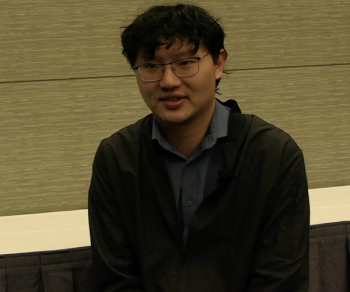
In this video interview with Xiao Su, he dives deeper into the research that he and his team are conducting with redox-active polymers and the applicability of electrochemical approaches in separation science.

In this video interview from Pittcon, we ask Christopher Palmer about developing novel polymeric materials for microscale liquid phase separations, as well as some of the current trends and challenges he is observing in chromatography.

In our interview with Kate Perrault Uptmor, we asked her about the resources available for those interested in learning more about multidimensional chromatography, and current trends happening in separation science that are of particular note.

Researchers investigated the potential association between plasma apolipoprotein M (APOM) levels and the risk of adverse cardiovascular outcomes in individuals with chronic kidney disease (CKD). Plasma sphingosine-1-phosphate (S1P) levels were measured by high performance liquid chromatography (HPLC).
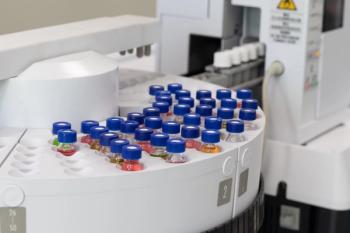
A review article by researchers at the School of Chemistry at Tel Aviv University describes cold electron ionization (EI), discusses its benefits, and demonstrates several unique applications for its use, including cannabinoids analysis, synthetic organic compounds analysis, whole blood analysis for medical diagnostics, isomer distribution analysis for improved fuels and oils, and explosives analysis.

As part of our series on how North Carolina researchers are helping to combat PFAS in the environment, we asked Mei Sun of the University of North Carolina, Charlotte, about her work with the North Carolina PFAS Testing Network, what strategies show the most promise for large-scale environmental cleanup, and how regulations on PFAS are influencing research priorities and mitigation technologies.

The company reported $1.68 billion in revenue at a 25.1% operating margin across its businesses in America, Europe, and Asia.

While comprehensive two-dimensional gas chromatography coupled with mass spectrometry (GC×GC-MS) is a powerful analytical technique, the complexity and volume of data generated pose significant challenges for data processing and interpretation, limiting a broader adoption. To overcome this, a recent paper in Briefings in Bioinformatics presented GcDUO, an open-source software designed specifically for the processing and analysis of this data.
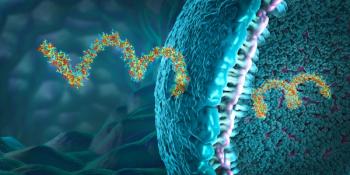
Hydrophilic interaction liquid chromatography (HILIC) has emerged as a promising alternative to traditional ion-pair reversed phase liquid chromatography (IP-RPLC) methods for separating oligonucleotides (ON). This work investigates the application of HILIC to the separation of ON sequence and length variants, duplexes, and single-stranded components.