



A review of advances in mRNA analysis using LC and LC–MS.
A review of advances in mRNA analysis using LC and LC–MS.
Scientists in Xi’an, China have created a novel system for the analysis of cell membranes, based around haloalkane dehalogenase protein tag (HALO)-tag technology. Their research was published in Talanta.

This experiment introduced a deep eutectic solvent developed in conjunction with a pH-induced phase transition combined with high performance liquid chromatography (HPLC) for efficient trace determination of bisphenol A (BPA) in water samples.

In this LCGC Blog, the author explores stationary phases that incorporate permanent or induced charges within, or alongside, hydrophobic alkyl silica type bonded ligands.

In addition, the company gained nearly 400 square meters of office space thanks to the renovation of a building adjacent to its Berlin headquarters.

Scientists from Hunan University of Chinese Medicine and Zhengzhou University in Zhengzhou, China recently created a new system for extracting catecholamines (CAs) in urine samples.

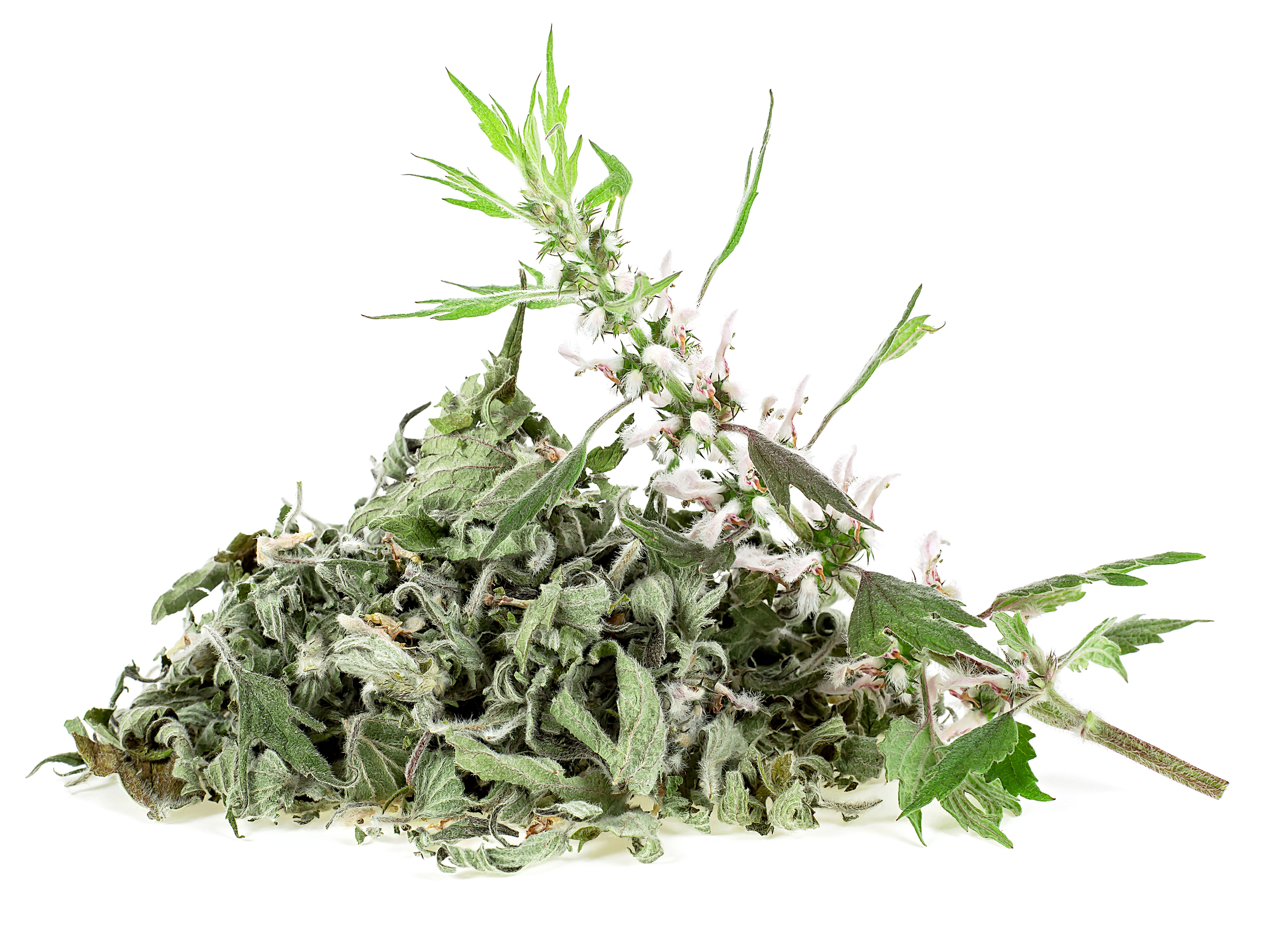
Researchers from the Chinese Academy of Medical Sciences and Peking Union Medical College categorize the cardioprotective effects and other characteristics of flavonoids from the species commonly known as Chinese rosewood.

This research introduces a novel chromatographic method for the simultaneous determination of bisoprolol fumarate, carvedilol, and furosemide in both their pure and pharmaceutical dosage forms, offering a cost-effective, time-saving solution for routine drug quality control analysis.

This review article discusses scientific rationales and current best practices in the pharmaceutical industry for performing chromatographic peak purity assessments (PPA). These activities are associated with the development and validation of liquid chromatographic (LC) stability-indicating analytical methods applicable to regulatory submissions of small-molecule drug candidates. The discussion includes a comprehensive overview of the PPA-related regulatory and scientific landscape and common industry approaches to obtain PPA results, as well as the strengths and weaknesses of PDA-facilitated ultraviolet (UV) PPA and other PPA techniques.

The gradient delay volume is arguably one of the most important, yet least appreciated, parameters that affect how gradient elution separations in LC work. This has implications both for method development and for method transfer during the lifecycle of a LC method. In this installment, I will review the concept of gradient delay volume, its physical connection to the LC instrument, and how it can impact method development and separation quality.

This paper proposes a new method of flash qualitative identification (FQI) to qualitatively identify a certain target component from a mixture within half a second by disusing the analytical column, which is a time-consuming unit in current chromatography instruments. First, a Noised Spectrum Identification (NSI) model was constructed for the data set generated directly by diode array detector (DAD) without the process in an analytical column. Then, a method called vector error algorithm (VEA) was proposed to generate an error according to the DAD data set for a mixture and a specific spectrum for the target component to be identified. A criterion based on the error generated by the VEA is used to give a judgement of whether the specific spectrum exists in the DAD data set. Several simulations demonstrate the high performance of the FQI method, and an experiment for three known materials was carried out to validate the effectiveness of this method. The results show that the NSI model concurs with the real experiment result; therefore, the error generated by the VEA was an effective criterion to identify a specific component qualitatively, and the FQI method could finish the identification task within half a second.
A variety of chromatographic techniques have been used to quantify the full range of acyl-CoAs, formed when a fatty acid bonds with coenzyme A, but added complexity and analysis time adversely affect the level of throughput.

Scientists from the Huazhong University of Science and Technology have developed a new method for analyzing quinolones in urine.

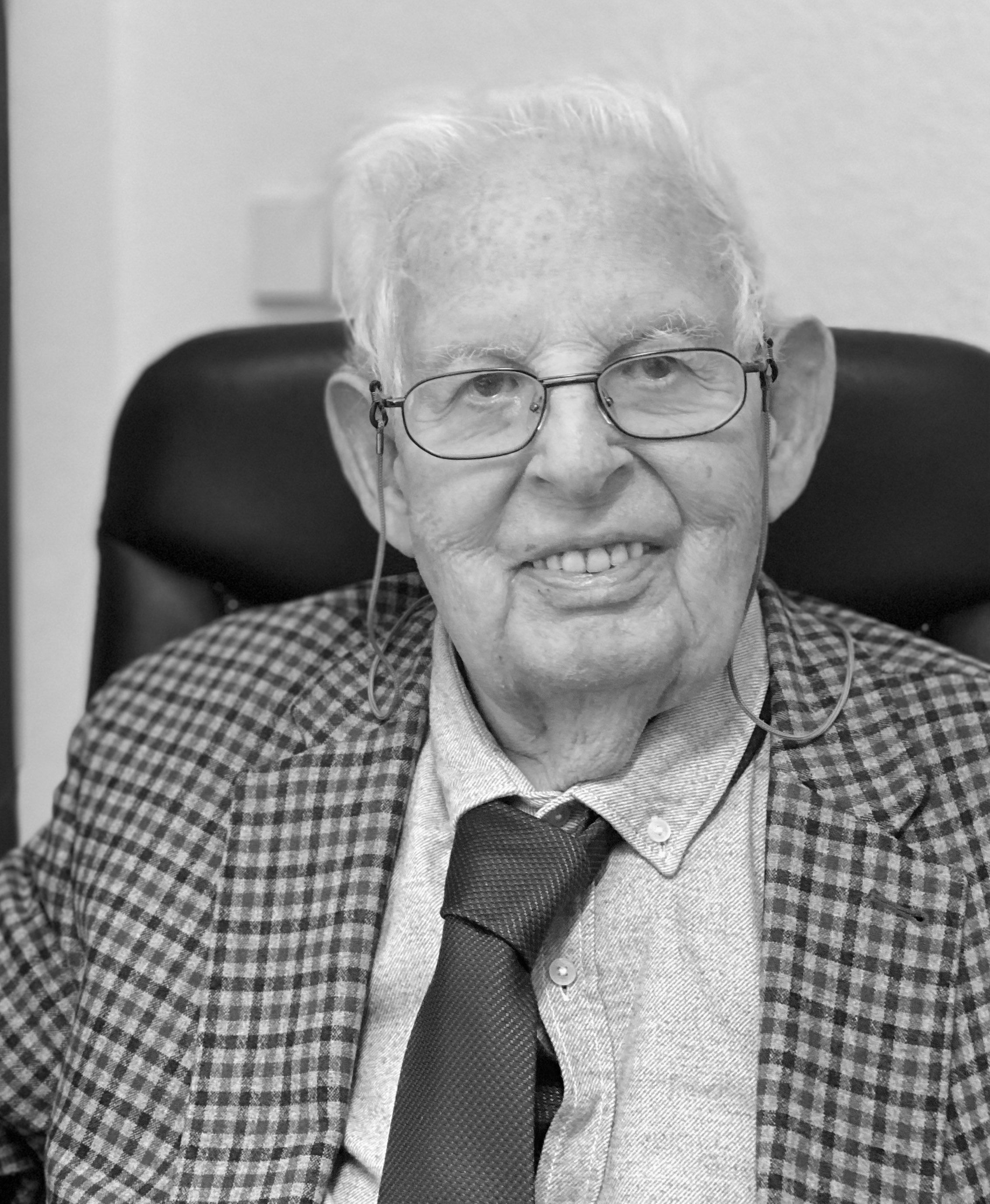
The Chromatographic Society will honor five scientists and academics next year, conferring its highest honor, the Martin Medal, to David McCalley and Fabrice Gritti.
This annual award is presented to an outstanding scientist in the field of chromatography.

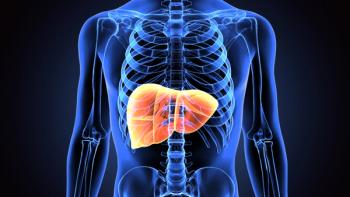
The hyphenated method was combined with a gradient ultracentrifugation technique that allowed for lipoprotein fraction separations.

You're invited to publicize your 2023–2024 new product introductions in LCGC. Here's how to get your products included.

Scientists from Fudan University in Shanghai, China created a system for reducing retention-time variations in metabolomic analysis using ultrahigh-performance liquid-chromatography coupled with mass spectrometry (UPLC-MS).

A group of scientists from Xi’an, China have created a new system for analyzing cell membranes based around HALO-tag technology.

This month we spoke to Zhuoheng Zhou from the Vrije Universiteit Brussel in Belgium about his research on advancing instrumental and column technologies for modern chromatography and its applications in novel biopharmaceutical modalities and proteomics.

The 18th International Symposium on Hyphenated Techniques in Chromatography and Separation Technology (HTC-18) will be held from 28–31 May 2024 in Leuven, Belgium.

A recent study published in the Journal of Separation Science reveals how ultrahigh-performance liquid chromatography tandem mass spectrometry (UHPLC–MS/MS) could be used to detect and quantify purine metabolites.

A novel method to simultaneously characterize the capping and poly(A) tail for therapeutic mRNA in a single sample preparation workflow is described.

There are three important habits and practices that can improve the effectiveness and efficiency of any troubleshooter.

The authors explore computer-aided workflows and machine learning, aimed at optimizing LC parameters, focusing on kinetic and thermodynamic aspects, and proposes closed-loop optimization strategies.