



Scientists from the University of Córdoba in Córdoba, Spain recently used liquid chromatography–tandem mass spectrometry (LC–MS/MS) to comprehensively profile human ceramides to determine their reactions to diseases.
Scientists from the University of Córdoba in Córdoba, Spain recently used liquid chromatography–tandem mass spectrometry (LC–MS/MS) to comprehensively profile human ceramides to determine their reactions to diseases.
Ultrahigh-pressure liquid chromatography coupled to high-resolution mass spectrometry (UHPLC-HRMS) had been previously proposed for untargeted lipidomics analysis, but this updated approach was reported by the authors to reduce run time to 4 min.

The serum/plasma estradiol is useful for diagnosis, pathology, and therapeutic efficacy monitoring of estrogen-dependent diseases, according to the authors.

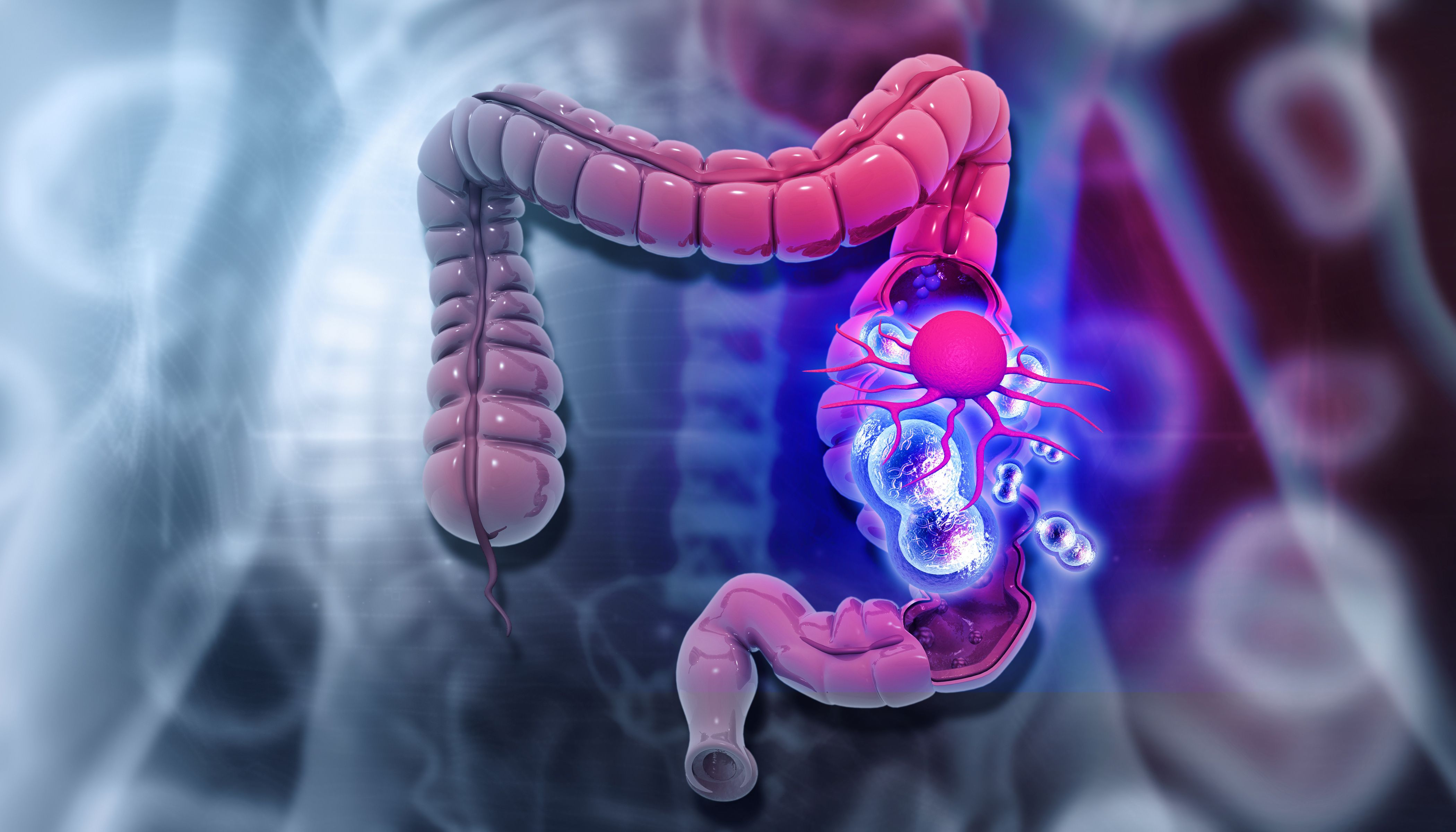
Scientists from Anhui University of Chinese Medicine in Hefei, China recently investigated the mechanisms behind what makes huachansu tablets, a type of traditional Chinese medicine (TCM), effective against liver cancer.

On the occasion of Earth Day, University of Wisconsin-Madison graduate student and chemist Katelyn Michael speaks with LCGC about the methods she has been using to attempt to degrade known PFAS.
On this Earth Day, LCGC sits down with Toby Astill of Thermo Fisher Scientific to talk about laboratory testing of PFAS and how companies and industry work in tandem with governments and regulatory agencies to share information and effect changes in standards.

In this interview, Angela Calderón of Auburn University discusses the importance of using more environmentally friendly analysis techniques.

A 10-day exhibit at Milan Design Week in Italy is drawing to a close, but Shimadzu hopes that visitors have recognized the link between science and technology, and art and design.

Here are the top five articles that the editors of LCGC International published this week.

Scientists from the Netherlands created a new LC–MS/MS assay to test new small molecular inhibitors (SMIs) and their effectiveness in prognosing lung cancer.
Here are the top five articles that the editors of LCGC International published this week.
Chromatographic and spectroscopic techniques alike were reviewed for their current effectiveness and future potential in this lecture session at Analytica 2024.

The analogy that electrons flowing in wires is like water flowing through a tube can be remarkably effective. In this installment, the basics of that analogy are discussed.

This article describes newly introduced high-performance liquid chromatography (HPLC), mass spectrometry (MS), chromatography data systems (CDS), and related products in 2023–2024. It summarizes their technical specifications and significant user benefits.

This article examinations the determination of retention time and why it's important.

In this interview, Kevin Schug discusses his work using untargeted analysis and differentiation of psilocybin mushroom strains.
Here are the top five articles that the editors of LCGC International published this week.

This month we interview David Steiner, head of product development at LVA GmbH–Lebensmittelversuchsanstalt in Klosterneuburg, Austria about his work developing liquid chromatography–tandem mass spectrometry (LC–MS/MS) multiclass methods for classification of feedstuff, including replication of model complex feedstuffs in the analytical laboratory.

The 26th Norwegian Symposium on Chromatography was held 21–23 January 2024. The symposium has strong traditions in the Norwegian separation science community, serving as a forum for excellent scientific talks, networking, and social events.

A study has used gas chromatography coupled to a time-of-flight mass spectrometer to build an electron ionization mass spectra database of more than 250 chemicals classified as either volatile or semi-volatile compounds. An additional, confirmatory layer of liquid chromatography–mass spectrometry analysis was subsequently performed.

Scientists from Auburn University recently investigated how natural deep eutectic solvents (NADES) can be incorporated into high-performance liquid chromatography (HPLC) mobile phases.

Scientists recently tested a new system for detecting and extracting favipiravir from plasma samples.

Scientists from the Affiliated Hospital of Putian University recently analyzed the dysregulation of lipid metabolism in patients suffering from chronic hepatitis B patients.

This week, LCGC International published a variety of articles on the hottest topics in chromatography and beyond. Below, we’ve highlighted some of the most popular articles, according to our readers. Happy reading!
In this edition of “Inside the Laboratory,” Kevin Schug, PhD, a full professor of chemistry at the University of Texas at Arlington, discusses his laboratory’s group work in environmental monitoring around water and soil quality near oil and gas extraction, using techniques such as liquid chromatography (LC), gas chromatography (GC), supercritical fluid chromatography (SFC), and coupling these techniques with mass spectrometry (MS).