


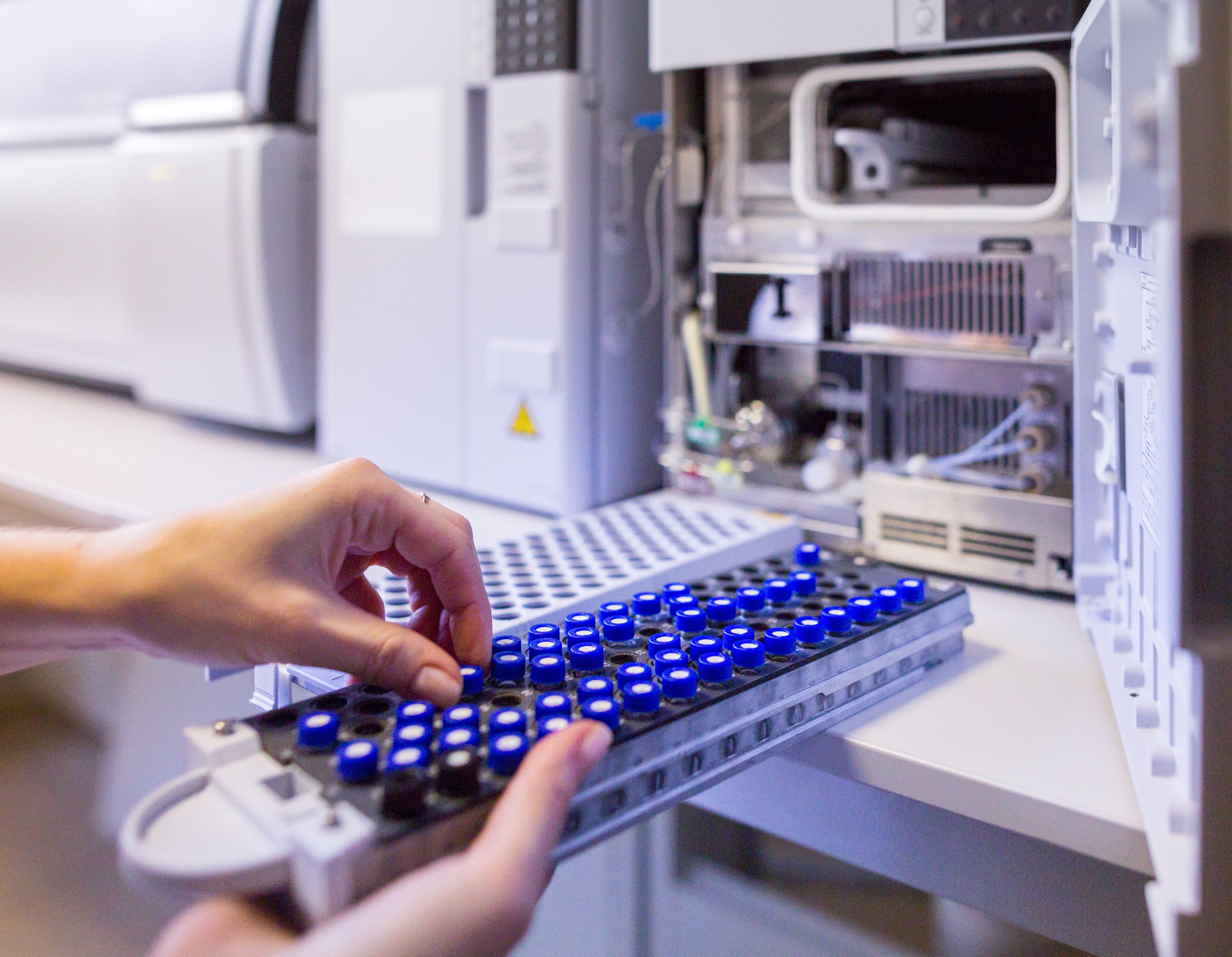

Scientists from South Dakota State University and the University of Colorado School of Medicine created a system to detect traces of cyanide in blood samples using liquid chromatography–tandem mass spectrometry (LC–MS/MS).

Scientists from South Dakota State University and the University of Colorado School of Medicine created a system to detect traces of cyanide in blood samples using liquid chromatography–tandem mass spectrometry (LC–MS/MS).

Chromatography is predicted to be a major player among instrument technologies, but spectroscopy and electrophoresis may also increase their market shares.

Agilent Technologies presents this award to industry leaders as a means of supporting them through financial aid, products, and expertise, along with recognition.

Two scientists from Baskent University in Ankara, Turkey analyzed multiple proteins in cream formulation using reverse-phase high-performance liquid chromatography.

Scientists from Qilu University of Technology in Jinan, China recently separated and purified components within the Phellodendron chinense plant using different types of counter-current chromatography (CCC).
This study employed an integrated method of homogenization-ultrasound-assisted extraction followed by high-speed countercurrent chromatography for efficient separation of naphthoquinones and diarylheptanes from green walnut husks.

For the first time, inhibitors of a cyclooxygenase isoform were found in Allium ampeloprasum L., specifically the giant or “elephant” garlic grown in the Chiloé Archipelago.
At EAS 2023, Michael Dong and Szabolcs Fekete reviewed certain innovations in high performance liquid chromatography (HPLC), and in what ways scientists can continue to improve the quality of their experiments.

Kennedy is a professor at the University of Michigan.

Professor Mary J. Wirth, W. Brooks Fortune Distinguished Professor Emerita at Purdue University, has been named the winner of the 2023 EAS Award for Outstanding Achievements in Separation Science.

Researchers used metabolomics analysis to measure different harvest times during the whole growing period of ligustri lucidi fructus (LLF), a traditional Chinese medicinal herb.

Scientists from Egypt have developed a green reversed-phase high-performance liquid chromatography (RP-HPLC) method to determine the amounts of methionine and paracetamol in different mixtures.

To combat fraudulent sales of low-aged ginseng disguised as high-aged ginseng, scientists from Shanghai University of Traditional Chinese Medicine created machine learning models to predict the ages of ginseng samples.

An efficient solvent system screening approach that streamlines fractionation of compounds with similar UV absorption eliminates the need for individual partition coefficient calculations, and coupled with preparative HPLC purification, led to the isolation of seven c-glycosyl flavonoids and an amino acid from barley seedlings.
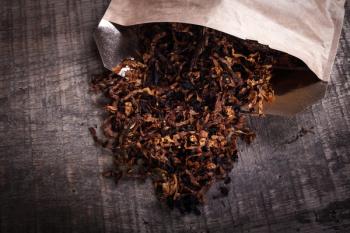
Scientists from Zhejiang, China recently conducted experiments meant to properly characterize sucrose ester isomers from tobacco samples.

Scientists from Ames National Laboratory in Ames, Iowa recently analyzed silver(I) and copper(I) ions to understand the environmental factors when they are altered.

This article presents a multimodal approach for students with severe visual impairment or blindness, to encourage them to learn more about chromatographic processes.
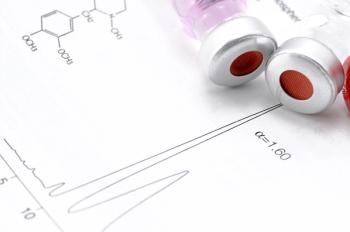
Troubleshooting continues to evolve constantly, changing how we overcome issues such as chemical causes of peak tailing.

Gas chromatography can be used in combination with molecular spectroscopy to provide structural and quantitative information on a variety of sample types.

We provide a high-level overview of Current Good Manufacturing Practice (cGMP) regulations and their impact on the analytical chemist in the pharmaceutical industry.

A team of scientists from Nanjing, China, have created a low-cost efficient online derivatization high-performance liquid chromatography (HPLC)-ultraviolet (UV) detector system, which they used to detect mono- and oligo-saccharides.

Researchers from Vrije Universiteit Brussel and Sapienza Università di Roma shed light on the characteristics of mass transfer paths in liquid chromatography.

Among the chlorinated byproducts of water disinfection within the fresh-cut industry, haloacetic acids (HAAs) are known to pose a consumer health risk if they remain present in the treated product.

The α-glucosidase inhibitors (AGIs) were isolated from extracts of Agrimonia pilosa Ledeb (APL), which is a perennial herb used in traditional Chinese medicine (TCM).
Webcasts
Webinar Date/Time: Tue, Nov 7, 2023 11:00 AM EST