






Pop quiz—can you define resolution? Would you be surprised at the number of correct answers? Which one is the best for chromatographers? In this LCGC Blog, we look at the various ways resolution can be interpreted scientifically.
Pop quiz—can you define resolution? Would you be surprised at the number of correct answers? Which one is the best for chromatographers? In this LCGC Blog, we look at the various ways resolution can be interpreted scientifically.

Brazilian scientists are testing a system to detect endocrine disruptors in wastewater samples to help improve public health.
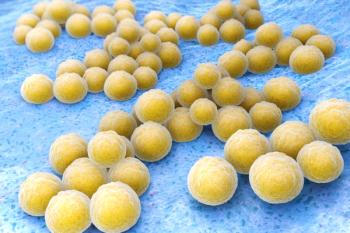
Researchers from the University of Washington have begun testing a new system to fight antimicrobial resistance by combining liquid chromatography (LC) with ion mobility (IM) separation.

Optimal reaction conditions for the desired deethylation were found to be mild, using only water and oxygen at or close to ambient temperatures.

The author outlines multiple protective and troubleshooting methods for liquid chromatography and how these approaches have changed over time.

This retrospective focuses on trends and topics that were discussed at the annual HPLC symposium in Duesseldorf, Germany.

The success of screening column and mobile phase combinations that generate dissimilar selectivity is highlighted in a typical method development strategy.
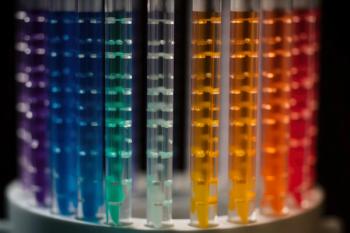
Understanding the relationship between a number of variables and analysis time, and their effects on other choices made during method development, is helpful for developing methods that are both effective and time-efficient.

This instalment of “Column Watch” presents many of the highlighted topics and trends observed at this exceptionally well-run symposium.

The latest developments and challenges of using liquid chromatography (LC) for copolymer analysis are discussed.
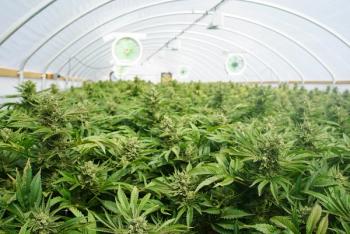
Orange Photonics said the agency will use its LightLab 3 as part of a broader effort to regulate and test the safety of food-related cannabis products.
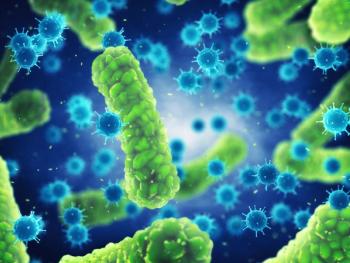
The combination of the “bottom-up” approach with digest-free, direct-sequencing proteomics, along with the addition of a proteogenomics pipeline that identified missing data, yielded the determination of almost 3000 proteins.

A recent review article discussed advances in liquid chromatography (LC) enantioseparations.

Researchers in China studied a new process for measuring aberrant metabolites.

Studies published over the last five years have focused on fully or semi-automated approaches and their applications in extraction of both organic and inorganic pollutants, while modern robotic tools and 3D printing are starting to make impacts.

HRPs, while vital to creating drugs meant to fight serious diseases, are very difficult to quantify. To streamline the process, a group of scientists used a new approach for analyzing HRPs using MSPE and HPLC-UV.

Since similar chiral recognition mechanisms were observed for benzoin (B) and methyl mandelate (MM), a three-site enantioselectivity model was proposed to interpret the data being sought by researchers.
Microfluidic devices are considered ideal for fabricating portable diagnostic equipment for point-of-care testing, but substrates more environmentally friendly than glass or plastics are attracting interest.

What critical components can help to resolve the separation challenges related to pesticides analysis in food?
To gain a better understanding of phosphatidylinositols, scientists used different LC–MS/MS techniques to find classifications to use in identifying further species of Pls.

Increases and decreases in anthocyanin concentration, which relates to the level of sugars found in red wine, were observed at specific weekly intervals of the grape ripening process.

When used appropriately in RPLC, ion pairing agents can increase the separation and retention of charged analytes. But should they be explored in other modes of HPLC as well?

Trypsin is one of the most commonly used proteases in peptide mapping protocols because of its high level of specificity. However, trypsin alone is not always sufficient for full sequence coverage. In this article, the authors detail how trypsin was combined with chymotrypsin to overcome this, and the benefits of an automated platform.

Giorgia Purcaro of the University of Liège discusses the advantages offered by the liquid chromatography–comprehensive multidimensional gas chromatography time-of-flight mass spectrometer/flame ionization detector (LC–GCxGC–TOF-MS/FID) method in the analysis of mineral oil.
How to design scouting gradients, how to use the resulting data to make decisions about next steps, and how to improve the separation once an elution mode has been chosen.