

News|Videos|October 21, 2025 (Updated: October 21, 2025)
Machine Learning for Oligonucleotide Analysis in Practice
Torgny Fornstedt describes how machine learning can work in practice for oligonucleotide analysis.
Advertisement
Episodes in this series





Recent advances in machine learning have significantly improved the ability to evaluate data quality from separation techniques used in oligonucleotide analysis. These models have helped identify subtle patterns and anomalies that traditional methods may overlook, leading to more precise and reliable outcomes. Professor Fornstedt talks about his experiences of using machine learning to aid the analysis of oligonucleotides. Watch the full video above.
Advertisement
Related to this article

In this seventh part of " Conversations with Michael Dong," a series on fundamentals of HPLC in pharmaceutical analysis, LCGC International’s "Perspectives in HPLC" column editor explains why 2.1-mm i.d. columns are less preferred for pharmaceutical quality control.
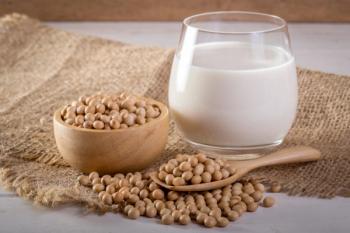
Ultrahigh-performance liquid chromatography–quadrupole time-of-flight mass spectrometry (UHPLC–QTOF-MS) shows how soaking and cooking break down soybean fats.

Liquid chromatography–tandem mass spectrometry (LC–MS/MS) links altered metabolism to lingering symptoms in Ebola survivors.

Nicolai Zederkopff explores chromatography’s role to help implement the maximum tolerable level (MTL) framework for food adulteration to translate analytical results into compliance decisions.

Franz Berthiller (BOKU University, Austria) discusses a multilaboratory study that used retention index markers to align mycotoxin liquid chromatography–mass spectrometry (LC–MS) data.

A QuEChERS/ultrahigh-performance liquid chromatography and high-resolution mass spectrometry (UHPLC-HRMS) method tracks 23 plant toxins in cereals and spices. Michele Suman discusses the method with LCGC International.

Gas chromatography-mass spectrometry (GC-MS) study links 110 scent compounds to cinnamon variety and origin.

Affinity chromatography-purified viral protein powers a new FAdV-8b test for chickens.
Advertisement
Advertisement
Trending on LCGC International
1
A New Era in LC Troubleshooting Tools
2
Conversations with Michael Dong: Acetonitrile and Methanol: A Comparison of Their Chromatographic Properties
3
LC–MS/MS Tracks Drugs in Australian Wastewater
4
Conversations with Michael Dong: Why 2.1-mm i.d. Columns Are Preferred for Pharmaceutical Quality Control
5