


News|Videos|October 23, 2025 (Updated: October 22, 2025)
The Future of Oligonucleotide Analysis: Final Thoughts
Michael Bartlett, Torgny Fornstedt and Mark Dickman conclude the series with their expert insights into what the future of oligonucleotide analysis could involve.
Advertisement
Episodes in this series


In this final segment, Michael Bartlett, Torgny Fornstedt and Mark Dickman offer their expert insights into what the future of oligonucleotide analysis could involve for separation scientists.
Advertisement
Related to this article

HPLC 2026 highlights AI, 2D-LC, new materials, and pharma separations.

Kinjal Bhatt and Ina Varfaj redefine career success around energizing work and personal balance, moving past publications and promotions.
Piotr Alvarez explains how his lab uses 2D-LC to enable MS compatibility with legacy methods and to confirm peak purity through orthogonal separation.

Florian Geistmann succeeded retiring Jürgen Semmler as Shimadzu Europa managing director on October 1.
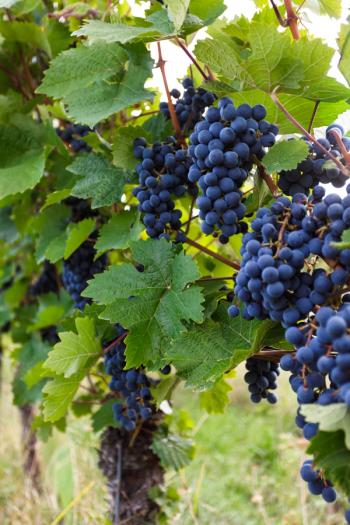
Liquid chromatography-mass spectrometry (LC-MS) profiling reveals chemical diversity across grapevine varieties.

Liquid chromatography-mass spectrometry (LC-MS) and nuclear magnetic resonance (NMR) link perinatal factors to infant urinary metabolite changes.
This LCGC Blog installment explains how NIST categorizes and certifies reference materials, and why they underpin reliable results in science and medicine.
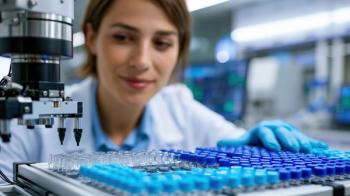
Comparing manual and automated N-glycan profiling of a trastuzumab biosimilar, researchers found that both workflows detected the same glycan types, but automation gave more reproducible results (mean CV of about 5.7% vs. 7.95%), making it better suited to high-throughput analysis in biopharmaceutical development.
Advertisement
Advertisement
Trending on LCGC International
1
HPLC Method Measures Fiber's Cholesterol Uptake
2
The LCGC Blog: NIST Reference Materials
3
Challenges and Solutions in Oligonucleotide Analysis, Part V: Troubles with Phosphorothioate Oligonucleotides
4
Automated Workflow Paves Way for High-Throughput Reproducible Operations—Trastuzumab Glycosylation Profiling as a Case Study
5