






Haloacetic acid detection has become important when analyzing drinking and swimming pool water. University of Tasmania researchers have begun applying capillary liquid chromatography as a means of detecting these substances.
Haloacetic acid detection has become important when analyzing drinking and swimming pool water. University of Tasmania researchers have begun applying capillary liquid chromatography as a means of detecting these substances.

Here is some of the most popular content posted on LCGC International this week.

Ping Wei powder is a type of traditional Chinese medicine used to treat digestive system diseases. Its growth in popularity has led to scientists seeking to properly identify its chemical profile.
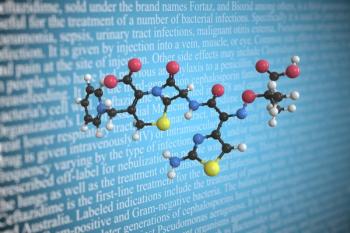
Ceftazidime and avibactam are two anti-infective drugs that can prove difficult to analyze in serum. Determining them can assist in therapeutic drug monitoring or pharmacokinetic studies.

Novichok nerve agents are lethal substances when improperly handled. The researchers from the University of Helsinki aimed to find new ways of neutralizing Novichok A-234.

Highly reactive aldehydes can pose significant health concerns in polluted environments. HPLC was used in this study to simultaneously analyze carbonyl compounds hydrazones.

Shimadzu researchers aimed to develop a more efficient supercritical fluid chromatography method for solid-state injection and streamlining sample pretreatment.
Here is some of the most popular content posted on LCGC International this week.

A new collaboration facility, opened by Thermo Fisher Scientific, will work to make cell therapy developers’ research more accessible and optimized.

Texas Tech University researchers used liquid chromatography–tandem mass spectrometry to quantify glucose transporter 1 (GLUT1) in mammalian brain cells.
A new study, published by a researcher from Chemical Characterization Solutions in Minnesota, explored a new approach for sample preparation for the chemical characterization of medical devices.

A team of scientists from the Paris university developed and optimized MAVERIC, a miniaturized and autonomous gas chromatography (GC) system coupled to a nano-gravimetric detector (NGD) based on a NEMS (nano-electromechanical-system) resonator.

Karolinska University Hospital researchers recently tested new approaches for analyzing drugs of abuse in oral fluids.

A recent roundtable discussion featuring Aloka Srinivasan of Raaha, Mayank Bhanti of the United States Pharmacopeia (USP), and Amber Burch of Purisys discussed the challenges surrounding nitrosamine analysis in pharmaceuticals.

University of Caldas and University of Chile researchers extracted estrogenic hormones from wastewater samples using rotating disk sorption extraction. After extraction, the concentrated analytes were measured using liquid chromatography coupled with photodiode array detection (HPLC-PDA).

In the second part of our conversation with Silvia Radenkovic, she shares insights into her involvement in scientific organizations and offers advice for young scientists looking to engage more in scientific organizations.
Here is some of the most popular content posted on LCGC International this week.
During an LCGC International peer exchange, Aloka Srinivasan, Mayank Bhanti, and Amber Burch discussed the regulatory deadlines and supply chain challenges that come with nitrosamine analysis.
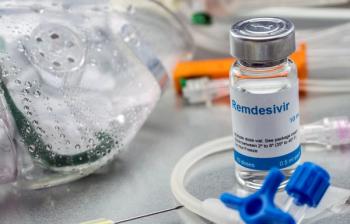
Scientists from Ferdowsi University tested a new type of sorbent for effectively extracting remdesivir from samples.
During a recent LCGC International peer exchange discussion on nitrosamine analysis, our professional panelists discussed the complex issues surrounding the processes for detecting nitrosamines.

Researchers from Agency for Science, Technology and Research in Singapore recently published a review article exploring how chromatography can be used to remove double-stranded RNA impurities during mRNA therapeutics production.

Researchers from the University of Mazandaran have developed a new system using HPLC-UV for extracting drugs using high-performance liquid chromatography-ultraviolet spectroscopy systems.
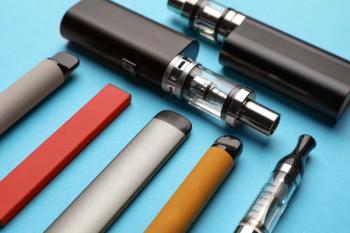
University of Maribor scientists reviewed the techniques used to determine e-liquid and aerosol composition in electronic cigarettes.
Here is some of the most popular content posted on LCGC International this week.
Silvia Radenkovic is a laboratory clinical biochemical genetics fellow at UMC Utrecht, the Netherlands and a member of Females in Mass Spectrometry (FeMS). She is currently doing a clinical fellowship where she is involved in diagnosing and helping treat patients with inborn metabolic diseases (IMD). Her research focuses on IMD such as congenital disorders of glycosylation (CDG), omics techniques such as tracer metabolomics, and different disease models.