






Here is some of the most-read content posted on LCGC International this week.
Here is some of the most-read content posted on LCGC International this week.

New gas chromatography-based approaches were tested for detecting volatile organic compound (VOC) emissions for binders used in mineral wool insulation products.

Monitoring the quality of essential oils is vital for protecting consumer health. Researchers recently combined gas chromatography and mass spectrometry approaches to gather data on mandarin essential oils.

Capillary gas electrophoresis was used recently to study what optimizes messenger RNA analysis.

A new chromatography-based approach was created to screen perfumes for hazardous substances.
Here is some of the most-read content posted on LCGC International this week.
Here is some of the most popular content posted on LCGC International this week.

In the latest edition of "LC Troubleshooting", Dwight Stoll explores troubleshooting tips for liquid chromatography, particularly focusing on peak width challenges in large molecule separations and effective solutions.

Microplastics can linger in aquatic ecosystems, and there are limited studies that evaluate those substances’ sorption kinetics. Researchers aimed to investigate the sorption behavior of cortisone on MPs.

Analyzing esters from marigold flowers can be a complicated process. Researchers created a new approach for separating these substances using ultra-high-performance low pressure supercritical chromatography (UHP/LP-SFC).

To meet the increasing worldwide demand for monoclonal antibodies, it is crucial to develop purification methods that are both efficient and easily scalable. Membrane chromatography offers a promising solution for streamlining antibody purification, thanks to its ability to handle high processing volumes rapidly. Convective membrane chromatography has become popular for purifying monoclonal antibodies. Researchers created a new model for modeling mass transfer during purification.
Oxygen heterocyclic compounds are notable components in citrus-scented creams, though quality control is important when using these compounds. Researchers recently created a workflow for extracting these substances using a deep eutectic solvent (DES) for microwave-assisted extraction (MAE).
A type of traditional Chinese medicine that is believed to address depression symptoms, scientists recently studied the medicine’s components of the Xiaoyao Pill (XYP) to measure its effectiveness and identify its components.
Here is some of the most popular content posted on LCGC International this week.

In a new study, researchers explored quantifying bile acids and tryptophan metabolites in human serum samples was created using ultrahigh-performance liquid chromatography coupled with tandem mass spectrometry (UHPLC–MS/MS).

To address multi-drug resistance (MDR) among harmful substances, liquid chromatography–tandem mass spectrometry was used to test fosfomycin as a means of bypassing growing MDR amongst microorganisms.

Diflubenzuron and similar compounds can be signs of cattle fever ticks, which can cause morbidity in cattle. LC–MS/MS was recently tested as a means of detecting these disease-carrying insects.

Detecting tryptophan and other metabolites can be done using various techniques. Researchers created a new UHPLC–MS/MS-based method for quantifying these substances in human plasma.
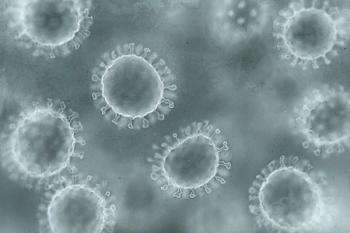
HIV-based virus-like particles can be difficult to characterize in samples. Recently, researchers from institutions in Germany enhanced anion-exchange chromatography procedures to better detect and treat these substances.
While venous blood sampling can help gain understanding of patients’ health through phenolic compound analysis, this process can prove discomforting. Volumetric absorptive microsampling has recently been proposed as a more suitable and equally effective alternative.

Dimethylamine (DMA) is the smallest organic amine, typically being found in both humans and marine ecosystems. Dimitrios Tiskas of Hannover Medical School recently analyzed the nature and significance of DMA and other amines.
Here is some of the most popular content posted on LCGC International this week.

Isavuconazole, an antimycotic agent used to treat fungal infections, can typically be found during dried blood spot sampling. However, there are obstacles that keep it from being an ideal approach for properly determining the drug’s presence.
Here is some of the most popular content posted on LCGC International this week.

Chinese researchers created a new approach for identifying and quantifying illegal additives in fruit and vegetable plums, types of often-consumed health-care foods.