“Forever chemicals” per- and polyfluoroalkyl substances (PFAS) have been found in smartwatch and fitness bands and analyzed using liquid chromatography tandem mass spectrometry (LC–MS/MS) and direct total oxidative precursor (dTOP) assay.

“Forever chemicals” per- and polyfluoroalkyl substances (PFAS) have been found in smartwatch and fitness bands and analyzed using liquid chromatography tandem mass spectrometry (LC–MS/MS) and direct total oxidative precursor (dTOP) assay.

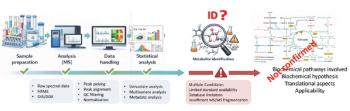
Researchers employed direct infusion/liquid chromatography-tandem mass spectrometry in their exploration of the potential of metabolomics to examine probable primary and secondary brain injury in severe traumatic brain injury.

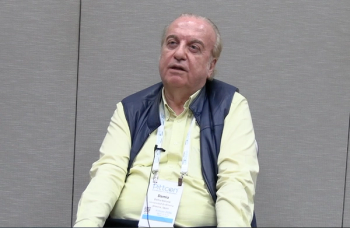
In this edition of “Inside the Laboratory,” Christopher Reddy of Wood Hole Oceanographic Institution discusses his laboratory’s work investigating oil spills and uncovering dichlorodiphenyltrichloroethane (DDT) deposits on the ocean floor. This interview is part one of three of our conversation with Reddy.

Researchers from the University of Bordeaux (Villenave d'Ornon, France) report the development and validation of a rapid and quantitative analytical method measuring crown procyanidin concentration in red and white wines using ultra-high performance liquid chromatography (UHPLC) coupled with a ultra-high performance liquid chromatography (Q-TOF) mass spectrometer.

Here is some of the most popular content posted on LCGC International this week.

LCGC International sat down with Christopher “Chris” Reddy of Woods Hole Oceanographic Institution, whose research was the basis for a recently released documentary.

The American Chemical Society (ACS) released its new strategic plan, which reinforces the organization’s mission to improve lives through the power of chemistry.

Can a protein involved in delivering Vitamin D to target tissues have an altered serum profile in psoriasis patients with cardiovascular disease? Researchers used liquid chromatography (LC) to help find out.

LCGC International spoke to Michelle Klein from the Faculty of Chemistry of the University of Duisburg-Essen (Essen, Germany) about how, by using the green analytical chemistry tool Analytical GREEnness (AGREE) and the white analytical chemistry (WAC) framework, her team was able to conduct a comparative analysis of gas chromatography-tandem mass spectrometry (GC–MS/MS), liquid chromatography-tandem mass spectrometry (LC–MS/MS), and the yeast-cell-based reporter gene assay (A-YES).

Here is some of the most popular content posted on LCGC International this week.

The objective of this study was to investigate contamination by 32 plasticizers in olive oil throughout its production and packaging process. Separation and detection were carried out by gas chromatography tandem mass spectrometry (GC–MS/MS), without the need for pre-concentration steps.

Agilent Technologies recognized Professor Anders Bentien of Aarhus University, Professor Walter Gössler of the University of Graz, and Professor Gregory Offer of Imperial College London as their 2025 Solutions Innovation Research Award (SIRA) recipients.

The 43rd Annual Healthcare J.P. Morgan Healthcare Conference kicked off in San Francisco earlier this week. Here’s what top executives from Agilent, Bruker, and Waters, discussed during the event.

A recent study aimed to investigate the impact of lavender essential oil (LEO) and of its terpenic components on the properties of glioblastoma (GBM) cells in an in vitro model. The study demonstrated that LEO induces a proliferation slowdown and an impairment of cell migration of GBM cells besides reducing oxidative stress.

New research characterizes walnut milk residue according to its phenolic content and antioxidant and cytotoxic potential using ultrahigh-performance liquid chromatography–electrospray tandem mass spectrometry (UHPLC–ESI-MS/MS).

Here is some of the most popular content posted on LCGC International this week.

A recent study aimed to directly compare the changes in serum metabolites among very low birth-rate (VLBW) infants following the administration of the soybean oil-based lipid emulsion and soybean oil, medium-chain triglycerides, olive oil, and fish oil (SMOF) lipid emulsion using untargeted metabolomics techniques.

At the Recent Advances in Food Analysis (RAFA) conference in 2024, LCGC International sat down with Stefan van Leuwen of Wageningen Food Safety Research to discuss his research, which addresses emerging challenges in circular food production, focusing on the risks posed by pollutants when waste and by-products are repurposed in food systems.

At ISC 2024 in Liverpool, United Kingdom, LCGC International interviewed Kelly Zhang of Genentech about her work analyzing new drug modalities, such as mRNA, oligonucleotides, peptides, and cell and gene therapies.

Differences in serum metabolites of sheep infected with Echinococcus granulosus were analyzed using ultrahigh-performance liquid chromatography (UHPLC) separation with tandem mass spectrometry (MS/MS) detection, providing a basis for the early diagnosis and pathogenetic study of cystic echinococcosis (CE) in intermediate hosts at the metabolomics level.

Shimadzu Corporation is celebrating 150 years since it was founded with a dedicated website and a collaboratively designed logo.

In forensic science, scientific testimony is routinely presented in court to juries who may have limited or no scientific background, putting law enforcement and defense personnel in the position of having to make rapid decisions in short timeframes based on findings of which they are not specialists. Katelynn Perrault Uptmor, Assistant Professor of Chemistry at William & Mary (Williamsburg, Virginia) believes that the introduction of new technologies into the framework of routine forensic analysis must therefore bridge the gap between introduction of new and novel analytical science and the communication of that science to a court of law, and that analytical chemistry research must be mindful of the need to fill this gap in promoting new technologies.

An overview of different approaches for the qualitative and quantitative analysis of polysorbates.

Researchers employed a gas chromatography-mass spectrometry (GC–MS)-based metabolomic approach combined with sophisticated statistical methods to identify metabolic biomarkers in coronary heart disease (CHD), hypertension-comorbid CHD, depression-comorbid CHD, and type 2 diabetes mellitus (T2DM)-comorbid CHD to provide an objective diagnostic method and help identify metabolomic signatures to better identify risk groups early, as well as improve understanding of pathophysiologic pathways.

How is mD-LC–MS changing the way we evaluate HPLC peaks and assess performance?

Davy Guillarme of the Institute of Pharmaceutical Sciences of Western Switzerland and the School of Pharmaceutical Sciences at the University of Geneva (Switzerland) recently spoke with LCGC International about his work analyzing therapeutic oligonucleotides.

In 2024, we launched a content series, covered major conferences, presented prestigious awards, and continued our monthly Analytically Speaking podcasts. Below, you'll find a selection of the most popular content from LCGC International over the past year.

Schmitz's lab will now integrate the company’s structures for lossless ion manipulation (SLIM) technology into their research as part of this new partnership.

Top articles published this week include the launch of our “From Lab to Table” content series, a Q&A interview about using liquid chromatography–high-resolution mass spectrometry (LC–HRMS) to assess chemical hazards in plastic bottles, and a piece recognizing Brett Paull for being named Tasmanian STEM Researcher of the Year.

Testosterone measurements are typically performed using serum or plasma, but this presents several logistical challenges, especially for sample collection, storage, and transport. In a recently published article, Yehudah Gruenstein of the University of Miami explored key insights gained from dried blood spot assay validation for testosterone measurement.