

Automation and high-throughput MALDI mass spectrometry revolutionize peptide metabolic stability screening, allowing for rapid analysis of a large number of samples and minimizing solvent waste.

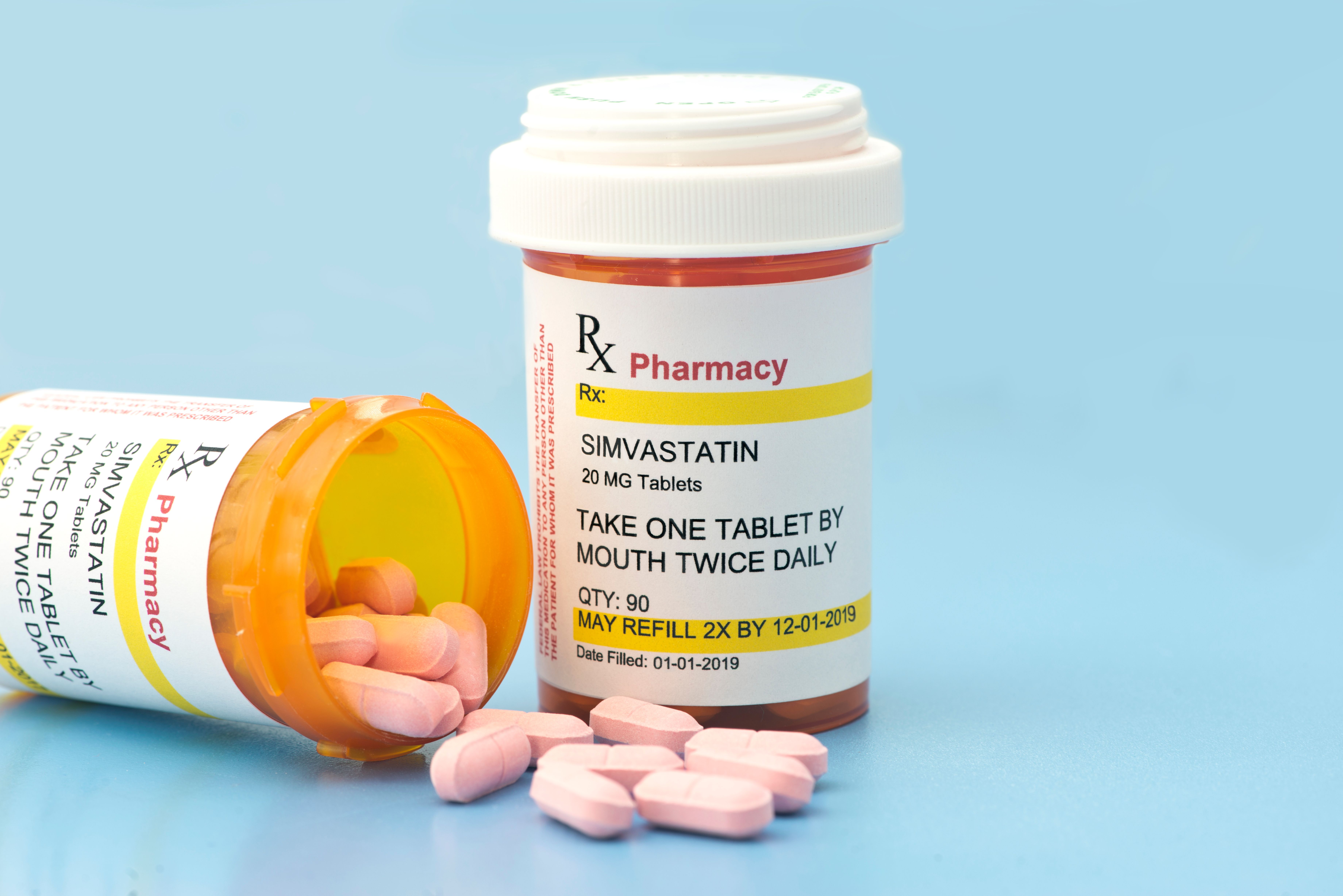
Micellar Liquid Chromatography Quantifies Three Statins in Commercial Oral Solid Dosage

New Procedures Enhance Quality Control for Large-Scale Plasma Proteomics Analyses
Automation and high-throughput MALDI mass spectrometry revolutionize peptide metabolic stability screening, allowing for rapid analysis of a large number of samples and minimizing solvent waste.

A new study introduces a comprehensive two-dimensional liquid chromatography coupled with tandem mass spectrometry (2D-LC–MS/MS) method for the analysis of 112 pesticides in corn-based products. The method exhibits high precision, lower limit of quantification values, and successful detection of trace levels of pesticides in real samples, offering promise for the analysis of complex matrices.

Eighty drugs prohibited in athletic competition were analyzed, with seven samples returning adverse findings compared to previous methods.

The eggs of the yellow-legged gull and Audouin’s gull and the blood of the greater flamingo were studied to assess their exposure to perfluoroalkyl substances (PFAS) as bioindicators of chemical pollution.
A biomarker with significant clinical and analytical potential in an enzyme present in many human diseases was determined at higher efficiency using liquid chromatography coupled to tandem mass spectrometry (LC–MS/MS).

Researchers have developed a novel liquid chromatography–mass spectrometry method for analyzing sialic acid linkage in N-linked glycopeptides, offering insights into glycosylation patterns.

A new method determines gas-polydimethylsiloxane (PDMS) distribution constants of key Cannabis terpenes and terpenoids, providing insights into their behavior and for optimizing SPME methods for analysis of these compounds.

A researcher has derived an expression for peak width in liquid chromatography with exponential retention and linear program preceded by an isocratic hold, providing valuable insights for enhancing chromatographic separations.
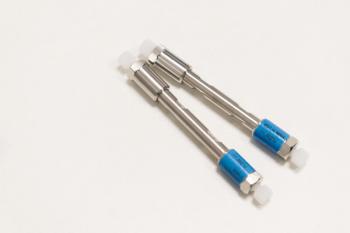
Mono-type, blending-type, coating-type, and bonding-type chromatographic packings based on chiral metal-organic frameworks (CMOFs) were analyzed regarding their effectiveness in enantioseparation.

We interviewed an AI program (ChatGPT) for LCGC North America asking questions about AI and its role in various applications for separation science to include data analysis, and high performance liquid chromatography (HPLC), hydrophilic-interaction chromatography (HILIC), reversed-phase liquid chromatography (RPLC), liquid chromatography–mass spectrometry (LC–MS), gas chromatography–mass spectrometry (GC–MS), high resolution mass spectrometry (HRIM–MS), high resolution tandem mass spectrometry (HRMS/MS), and related topics.
Webcasts
Webinar Date/Time: Tue, Jun 13, 2023 11:30 AM EDT

New statistical framework developed by researchers at the University of California in Riverside allows confident identification of isomeric molecules by mass spectrometry, even when no unique mass-to-charge peaks are generated between the isomeric pairs.

This month we interview Juan L. Benedé from the University of Valencia in Spain, about his work developing microextraction approaches, based on the use of sorbent materials, for application to complex matrices, and his focus on the determination of disease biomarkers in biofluids.

The evolution of biomolecule analysis is discussed in this article.

At Pittcon 2023, LCGC spoke with Jim Grinias of Rowan University. This segment is the full-length version of the interview that was conducted at the conference.

The 51st International Symposium on High Performance Liquid Phase Separations and Related Techniques (HPLC 2023) will be held at the Conference Center Düsseldorf (CCD) in Germany, from 18–22 June 2023.

What parameters can influence an siRNA separation?

How to enhance the sensitivity, specificity, and speed of metabolite measurement using TIMS, which in turn helps to accelerate the pace of metabolomics research.

A team of researchers from the University of Barcelona has developed a new method for the selective extraction of monosaccharide anhydrides from sediment samples, which is crucial for their analysis.

The workshop will take place 28–29 June 2023 in Liège, Belgium.
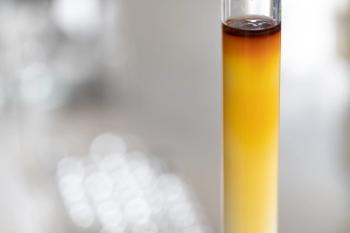
A newly proposed concept in liquid chromatography (LC) positions spherical particles, either individually or stacked, in pockets forming microgrooves that act as perfectly aligned chromatographic columns.

A new study reports the development a highly sensitive LC–MS/MS method to measure salivary melatonin levels. The method has a lower limit of the measuring interval of 0.8 pg/mL, making it the most sensitive method for quantifying melatonin in saliva.

A recent study has found that using only seven points across an LC–MS/MS peak can provide sufficient accuracy and precision for drug quantitation studies in drug discovery and development, challenging the "rule-of-thumb" of using at least 15 points.

A new article discusses the benefits and drawbacks of RPLC and RPLC×RPLC chromatography techniques. It provides recommendations for selecting the best approach for analyzing small pharmaceuticals and peptides.

Samples of the prefrontal cortex, striatum, and hippocampus of rats were analyzed by LC–MS to assess brain tissue response to combined consumption of ethanol and cocaine.