

In a recent study out of the University of Gdańsk, immobilized artificial membrane chromatography (IAM) was tested for its ability to evaluate small molecular behavior in the human body.
In a recent study out of the University of Gdańsk, immobilized artificial membrane chromatography (IAM) was tested for its ability to evaluate small molecular behavior in the human body.

Gas chromatography is a premier technique for quantitative analysis. As gas chromatographs have become simpler to use and data systems more powerful, much of the data processing involved in delivering quantitative results now happens in the background and is seemingly invisible to the user. In this installment, we will review the calibration techniques used with gas chromatography. We will compare calibration methods and the assumptions that underlie them. We will explore common mistakes and challenges in developing quantitative methods and conclude with recommendations for appropriate calibration methods for quantitative problems.

A group of scientists tested a new means of analyzing lipids in brain tissue using mass spectrometry imaging (MSI).

The Chromatographic Society will honor five scientists and academics next year, conferring its highest honor, the Martin Medal, to David McCalley and Fabrice Gritti.
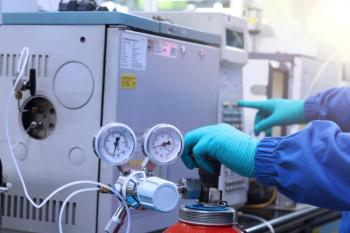
This annual award is presented to an outstanding scientist in the field of chromatography.
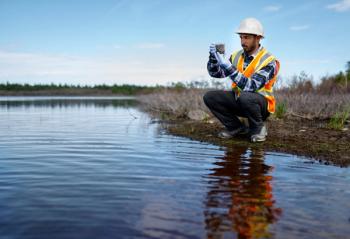
In a recent study published in Analytica Chimica Acta, lead author Bin Hu from Wuhan University and a team of researchers examined three-dimensional (3D) printing technology.

You're invited to publicize your 2023–2024 new product introductions in LCGC. Here's how to get your products included.

As 2023 comes to an end, we laid out the most read articles of the past year.

The 15th Multidimensional Chromatography Workshop is a free event involving keynote and contributed presentations, a poster session, and discussion groups on all multidimensional techniques, and will be held in-person on the campus of California State University, Los Angeles, from January 10 to 12, 2024.

A recent study published in the Journal of Separation Science reveals how ultrahigh-performance liquid chromatography tandem mass spectrometry (UHPLC–MS/MS) could be used to detect and quantify purine metabolites.

A new study details the US Food and Drug Administration (FDA)’s recent expansion to 30 analytes, from a previous 16, in the method for determining per- and polyfluoroalkyl substances (PFAS) in the US food supply, which, in turn, may mean that additional analytes may still yet be identified (1).

California State University, Los Angeles (Cal State LA) (Los Angeles, USA) and Leco Corporation (St. Joseph, Michigan, USA) have unveiled the collaborative Leco Complex Chemical Compositional Analysis Lab at Cal State LA’s Rosser Hall.

Here, we preview the International Symposium on Hyphenated Techniques in Chromatography and Separation Technology (HTC-18), which will be held from May 28–31st 2024 in Leuven, Belgium.

A novel study conducted at Nicolaus Copernicus University in Poland explores the potential of diatom-derived biosilica as a stationary phase in high-performance liquid chromatography (HPLC).
A recently published study explores and potential and limitations of reversed hydrophilic interaction liquid chromatography.
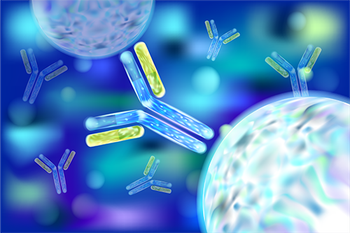
Researchers explore the benefits of a mobile affinity selection chromatography (MASC) luminon assay method to assess the quality of therapeutic monoclonal antibodies.

In a recent study conducted by two researchers from the CSIR-Indian Institute of Toxicology Research and the Academy of Scientific and Innovative Research, an analytical method was used to reveal coccidiostat residues in poultry.

A recent study conducted in Beijing, China, presented a novel method involving LC–MS/MS, UAE, and online SPE for characterizing environmental pollutants.

A new study proposed a method for the determination of antibiotics and eight different metabolites, utilizing techniques like ultrasound-assisted extraction and LC–MS/MS.

CHROMacademy, LCGC’s educational platform for teaching professionals chromatography, has been awarded at the 2023 Lab Innovations Lab Awards.

In 2024, LCGC and Spectroscopy will release a joint content series titled, "Advancing Agriculture For Future Generations." Here is a preview of the upcoming series.

Much like the members of the Rembrandt Research Project, scientists tackling life’s most complicated problems know the answers are never simple.

Gionfriddo’s lab focuses on developing advanced analytical separation tools for the analysis of complex biological and environmental samples using green extraction methodologies.

Mary Ellen McNally and Doug Raynie covered green chemistry and sustainable separations, from sample preparation through analysis with chromatographic techniques, at EAS 2023.

The Prestegard laboratory specializes in the development and application of NMR methods for the study of systems of biological interest.
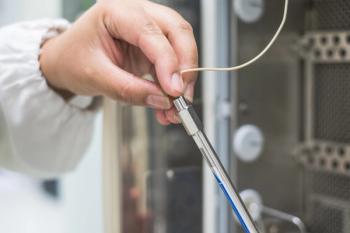
At EAS 2023, Michael Dong and Szabolcs Fekete reviewed certain innovations in high performance liquid chromatography (HPLC), and in what ways scientists can continue to improve the quality of their experiments.

Vasilis Vasiliou, chair of the department of Environmental Health Sciences at Yale University, spoke about the impact of exposure on human disease and biology.

Changchun Liu, a professor in the department of biomedical engineering at the University of Connecticut, highlighted his team’s research into CRISPR-powered microfluidics devices for point of care (POC) treatment and detection of infectious diseases.

Getting your finances in order ensures you can be prepared for the unexpected, said Tarshae Drummond, a lab manager and research technician at Fayetteville State University.

Kennedy is a professor at the University of Michigan.