




Environmental Analysis
Latest News
Advertisement
Latest Videos



Shorts

Advertisement
More News

Meet the expert panel exploring the analytical challenges of environmental PFAS detection in this LCGC International Peer Exchange®.

Discover LC–MS chromatography strategies that tackle PFAS at ppt levels in soil, serum and food, boosting sensitivity, selectivity and confidence.
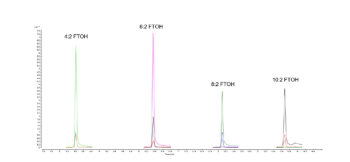
Learn how TD–GC–MS tracks volatile PFAS in air and emissions, meeting OTM-50 and ASTM D8591 limits for safer compliance.

Fernando Lanças discusses miniaturized liquid sample preparation for greener LC–MS/MS workflows in environmental analysis, favoring SUPRAS and DES solvents.

As we celebrate Earth Day 2026, LCGC revisits the archives and looks back at the content that remains as relevant as ever.
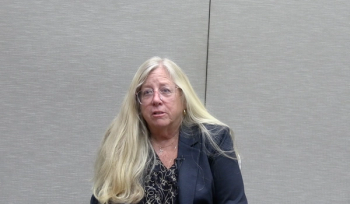
At Pittcon 2026, Mary Ellen McNally discussed sustainable chromatography, highlighting SFC, low-solvent LC, and greener sample prep to cut waste in industrial labs.
Webcasts
Webinar Date/Time: Tue, Apr 28, 2026 11:00 AM EDT
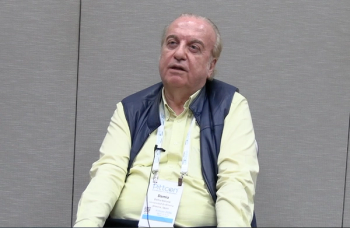
At Pittcon 2026, Damià Barceló of the Universidad de Almería sat down with LCGC International to discuss sustainable analytical approaches for microplastics detection and the open challenges facing the field.

At Pittcon 2026, Damià Barceló of the Universidad de Almería sat down with LCGC International to discuss sustainable analytical approaches for microplastics detection and the open challenges facing the field.
At Pittcon 2026, Damià Barceló of the Universidad de Almería sat down with LCGC International to discuss sustainable analytical approaches for microplastics detection and the open challenges facing the field.
At Pittcon 2026, Damià Barceló of the Universidad de Almería sat down with LCGC International to discuss sustainable analytical approaches for microplastics detection and the open challenges facing the field.
At Pittcon 2026, Damià Barceló of the Universidad de Almería sat down with LCGC International to discuss sustainable analytical approaches for microplastics detection and the open challenges facing the field.
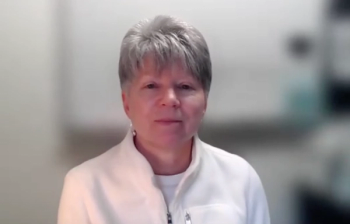
At Pittcon 2026, Jennifer Field of Oregon State University sat down with LCGC International to discuss her laboratory's forensic approach to tracing PFAS sources in watersheds.
At Pittcon 2026, Jennifer Field of Oregon State University sat down with LCGC International to discuss her laboratory's forensic approach to tracing PFAS sources in watersheds.

Oliver Jones and Navneet Singh from RMIT University, Melbourne, Australia discuss a recent study they conducted to investigate the relationship between tidal cycles and PFAS concentrations in estuarine systems, and offer practical advice on the sample preparation and LC–MS/MS techniques they used to achieve the best results.
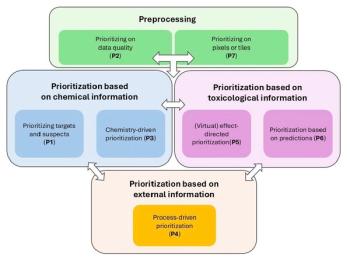
This article discusses how integrating seven prioritization strategies can enhance compound identification, support environmental risk assessment, and accelerate decision-making.

Webcasts
Webinar Date/Time: Tuesday, March 17 and Wednesday, March 18, 2026 Morning Session: 9:30 AM EDT | 1:30 PM GMT | 2:30 PM CET Afternoon Session: 12:00 PM EDT | 4:00 PM GMT | 5:00 PM CET

A liquid chromatography–tandem mass spectrometry (LC–MS/MS) method for the determination of 39 emerging contaminants in water at ultra trace concentrations has been developed and validated.

Webcasts
Webinar Date/Time: Tue, Jan 27, 2026 11:00 AM EST

A review of some of the content highlights from LCGC International in 2025.

Webcasts
Webinar Date/Time: Tue, Nov 18, 2025 11:00 AM EST
Webcasts
Webinar Date/Time: Wednesday, October 29, 2025 Morning Session: 2:00pm GMT | 3:00pm CET | 9:00am EST Afternoon Session: 5:00 pm GMT | 6:00 pm CET | 12:00 pm EST

The utility of stacked SPE cartridges in food safety and total organic fluorine workflows is presented.

Atmospheric volatile organic compounds (VOCs) impact human health, quality of life, and the environment. Since industry contributes significant VOC pollution, fenceline monitoring is essential to ensuring compliance with applicable regulations. Conventional use of passive or grab samples analyzed at the laboratory fails to capture dynamic changes, and particularly fails to detect pollution incidents rapidly. In contrast, SIFT-MS instruments mounted in mobile laboratories provide on-site, real‑time analysis that enables rapid identification of “hot” zones via both on-the-move analysis and monitoring at fixed locations. Combined with drone sampling, the specific pollution source can be located.

Webcasts
Webinar Date/Time: Wed, Oct 1, 2025 11:00 AM EDT
Advertisement
Advertisement