


Environmental Analysis
Latest News
Advertisement
Latest Videos


Advertisement
More News

To better analyze components from chaga (Inonotus obliquus) mushrooms, researchers created a supercritical fluid chromatography (SFC)-based approach to collecting and quantifying chaga components.

Universitat de Barcelona researchers have developed a new method for characterizing solute-solvent interactions in electrokinetic systems.

The components of explosive devices can be difficult to characterize, whether pre- or post-blast. To rectify this, two-dimensional liquid chromatography was tested as a means of analyzing these compounds.

Continued helium use in gas chromatography–mass spectrometry/flame ionization detection has proven problematic. To combat this, alternative efforts are being tested.

To better analyze polyphenols, scientists from Sapienza University of Rome examined the capabilities of supercritical fluid chromatography (SFC), comparing it to traditional methods.

In this article, you’ll find some of the top content that was published on LCGC this week, including details on the recent merger between Waters Corporation and BD Biosciences.

Salvia is an herb that is utilized in various industries. High-performance thin-layer chromatography was used to analyze different Salvia extracts.

Countercurrent chromatography systems were tested and combined to optimize their capacity for handling non-polar and polar substances.

To better detect polycyclic aromatic hydrocarbons in the human body, a UHPLC–MS/MS method was developed and tested on urine samples from workers exposed to diesel exhaust.
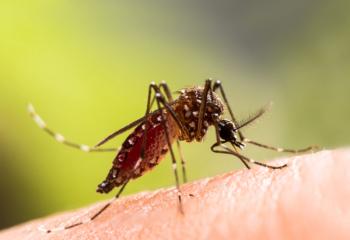
A new gas chromatography-based approach involving skin-contact sampling bands was used to detect potential malaria infections.

In this article, you’ll find some of the top content that was published on LCGC this week, including a technical article on food flavor and an interview with the president of Shimadzu Europa.

The panel concludes by envisioning the future of PFAS research and analysis.
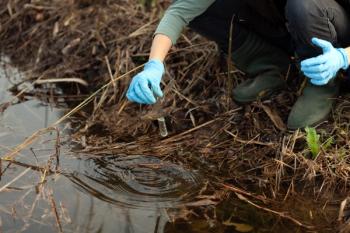
In a new study, researchers explored a new approach for detecting pesticide residues in water samples, based around ionic liquid-based dispersive liquid–liquid microextraction (IL-DLLME).
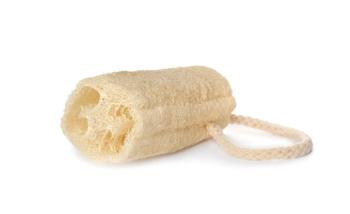
A new analysis method for detecting bisphenols in environmental sources was tested using loofah sponges and solid-phase extraction.
The conversation turns to collaboration—highlighting the value of cross-sector partnerships in advancing PFAS science, securing funding, and fostering scientific progress.

Panelists discuss the creation and use of PFAS libraries and databases, stressing the need for comprehensive, up-to-date resources to support accurate compound identification.
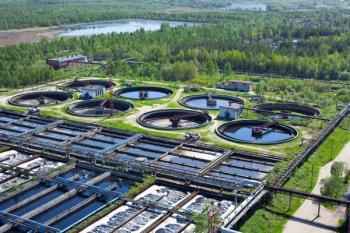
Environmental polycyclic aromatic hydrocarbons can prove dangerous if metabolites enter human systems. A new gas chromatography-based approach was developed to analyze the hydroxy derivatives in wastewater samples.

Scientists examine the role of non-targeted analysis in discovering unknown PFAS, and how automation and data processing tools are accelerating this work.
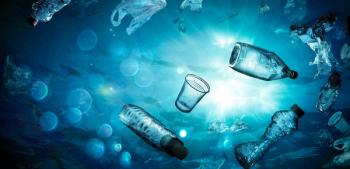
Organic contaminant transformations in water were researched to understand the mechanisms behind such phenomena.
The panel examines how evolving global regulations are shaping approaches to PFAS analysis, while also highlighting how ongoing research enhances our understanding of these contaminants and informs regulatory decision-making.
In this episode the panelists unpack how laboratories can reduce background contamination and improve sensitivity through rigorous method optimization and instrument handling.
The panelists discuss the challenges of analyzing short-chain PFAS and highlights how emerging techniques like ion mobility offer promising solutions.
Here is some of the most-read content posted on LCGC International this week.
In this episode the panelists explore emerging analytical techniques that are enhancing PFAS quantification.
The experts explore the most pressing analytical challenges in PFAS analysis, highlighting persistent issues such as contamination, detection limits, background blanks, and other method-related obstacles encountered in the lab.
Advertisement
Advertisement