

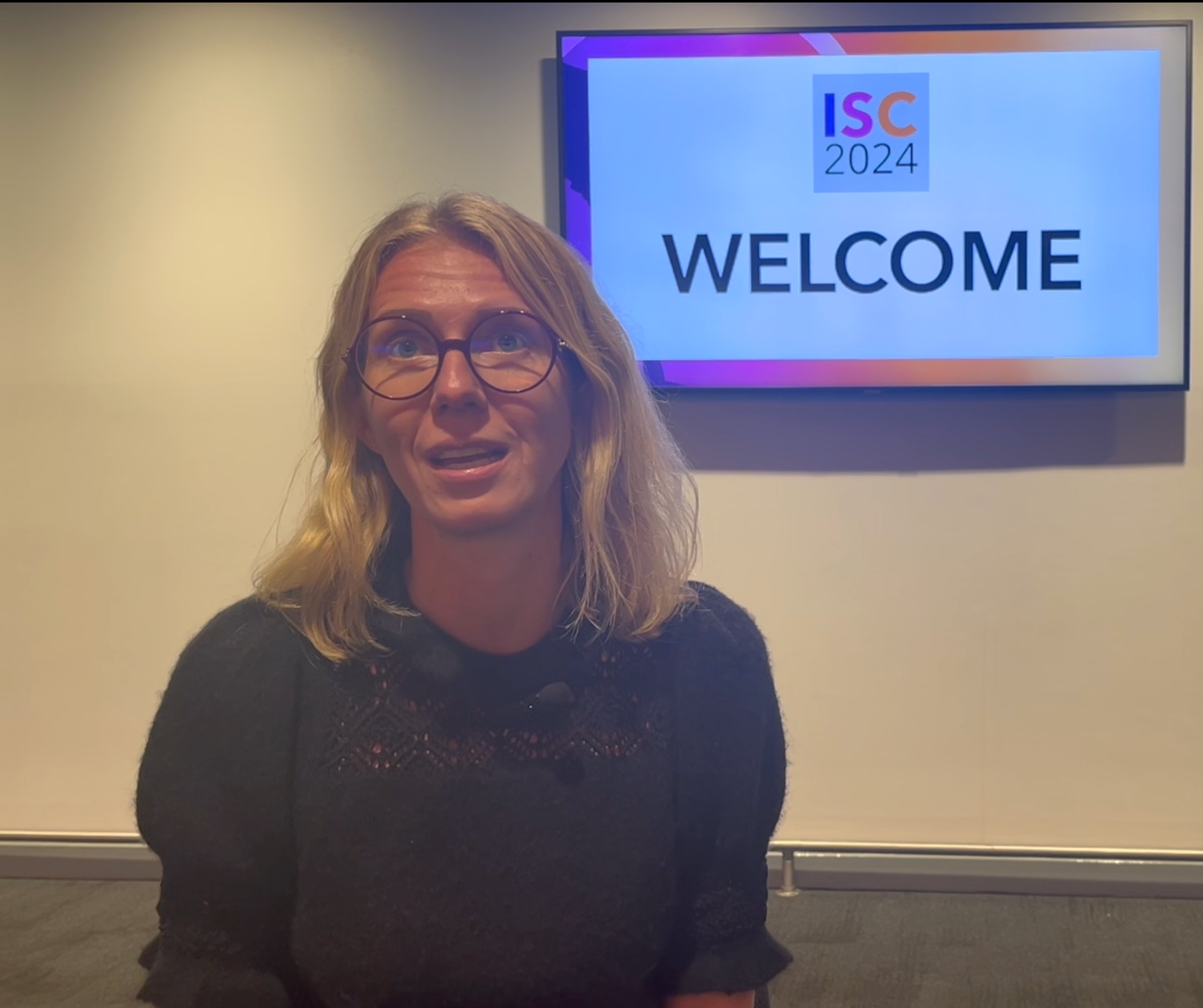
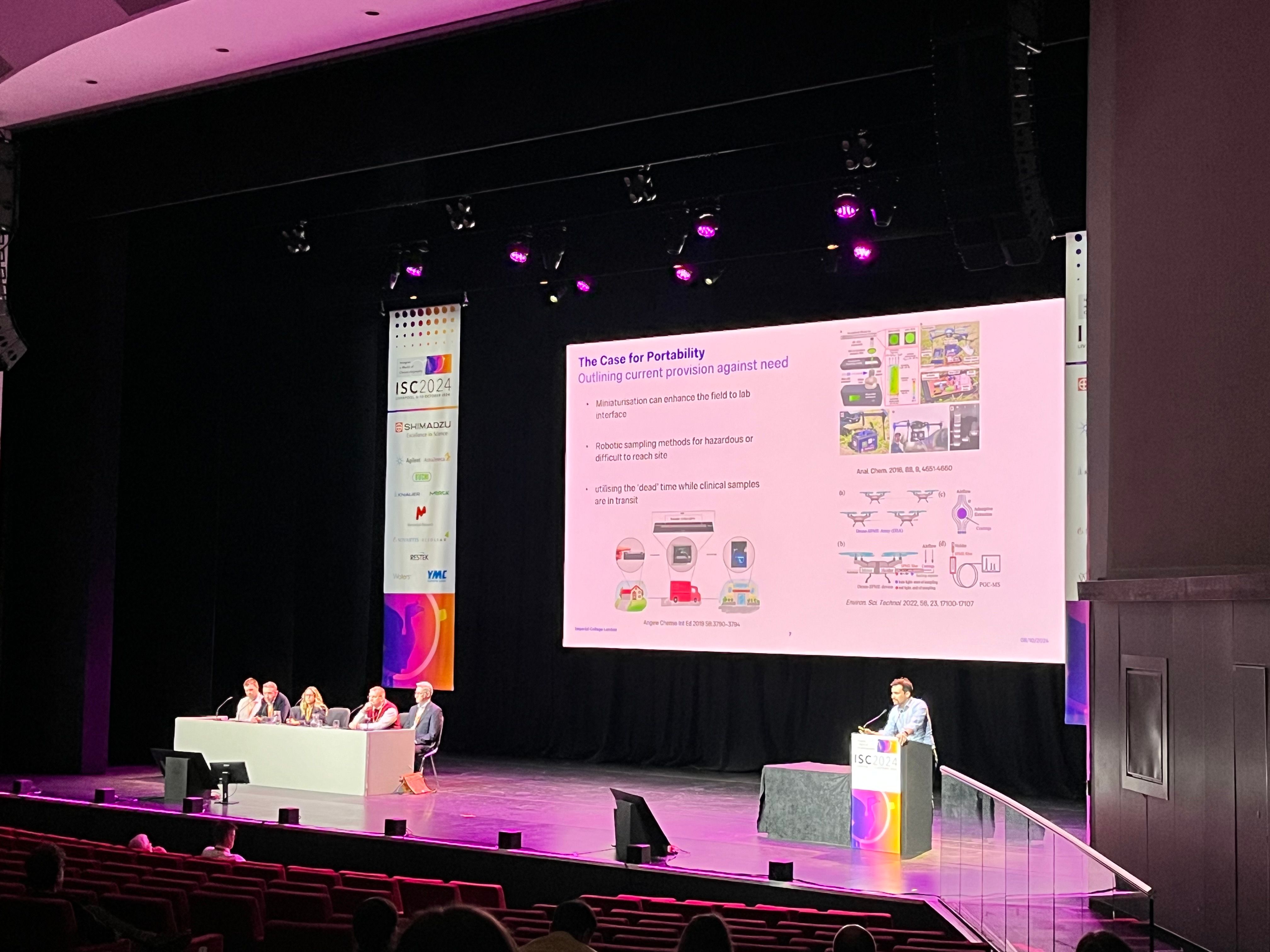


As part of our ISC 2024 coverage, we recently interviewed Alexandre Goyon of Genentech about his research and his being awarded our Rising Stars of Separation Science Award for Outstanding Achievement in Pharmaceutical Analysis.
As part of our ISC 2024 coverage, we recently interviewed Alexandre Goyon of Genentech about his research and his being awarded our Rising Stars of Separation Science Award for Outstanding Achievement in Pharmaceutical Analysis.
As part of our ISC 2024 coverage, we recently interviewed Amarande Murisier of the University Hospital of Lausanne, Switzerland (CHUV) about her winning the Rising Stars of Separation Science Award for Biopharmaceutcal Analysis and her scientific background.

Bram Huygens’ research focuses on developing a deeper understanding of the factors influencing separation efficiency by using advanced mathematical techniques to analyze mass transfer phenomena.

Here is some of the most popular content posted on LCGC International this week.

ETHZ and Agroscope scientists tested a new means of analysis against secondary electrospray ionization (SESI) coupled to high-resolution-mass spectrometry (HRMS) for exhaled breath analysis.

Sechenov First Moscow State Medical University and Monash University Malaysia scientists recently tested HPTLC-guided preparative flash chromatography against olive flower extracts.
Here is some of the most popular content posted on LCGC International this week.

Posters at the 2024 conference will feature research on a variety of topics from PFAS testing to the HPLC analysis of soft drinks.

Julien Crepier of TotalEnergies was one of the researchers that conducted this study, and he recently sat down with LCGC International to talk about his team’s findings.

Waters Corporation and Princeton University scientists recently investigated how using elastic flow instability can improve the kinetic performance of chromatographic columns.

Scientists from Tianjin universities and Cleveland State University investigated how to characterize a potent chemical compound in Platycodon grandiflorus roots.
Here is some of the most popular content posted on LCGC International this week.

Soochow University scientists recently reviewed how HILIC breakthroughs have helped with handling glycopeptides and glycans.

In this column, we look at the current version and the update of USP <621> on high-performance liquid chromatography (HPLC) that becomes effective 1st May 2025.

In a new study, scientists reflected on different advancements made in extracting, purifying, and quantifying kaempferol, a natural product present in various sources.
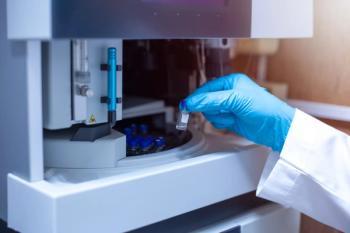
In this installment of “LC Troubleshooting,” we describe an artifact that can arise because of compound degradation during the transfer of fractions of the first dimension (1D) column effluent to the 2D separation.
Here is some of the most popular content posted on LCGC International this week.

This “Column Watch” installment presents many of the highlighted topics and trends observed at the 52nd International Symposium on High Performance Liquid Phase Separations and Related Techniques (HPLC 2024).

Stockholm University scientists used liquid chromatography coupled with high-resolution mass spectrometry (LC-HRMS) to characterize recycled textile products and detect harmful chemicals.

In this LCGC Blog, Daipayan Roy and Muhammed Qamar Farooq of Amgen discuss the history and impact of supercritical fluid chromatography (SFC) throughout the years.
Here is some of the most popular content posted on LCGC International this week.

Karlstad University scientists modeled pH-dependent retention and competitive adsorption of solutes using mixed-mode and reversed-phase liquid chromatography.
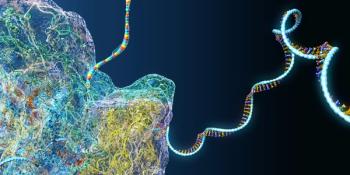
Waters Corporation scientists recently examined how different mobile and stationary phases affect small interfering RNA (siRNA) duplex stability in liquid chromatography.

Edinburgh Napier University and University of Helsinki scientists recently compared two techniques for their effectiveness in assessing drug passage through respiratory mucosa.

Korea Food Research Institute scientists combined QuEChERS extraction with ultra-high performance liquid chromatography-tandem mass spectrometry (UHPLC–MS/MS) to analyze vitamins D and K in yogurt.