
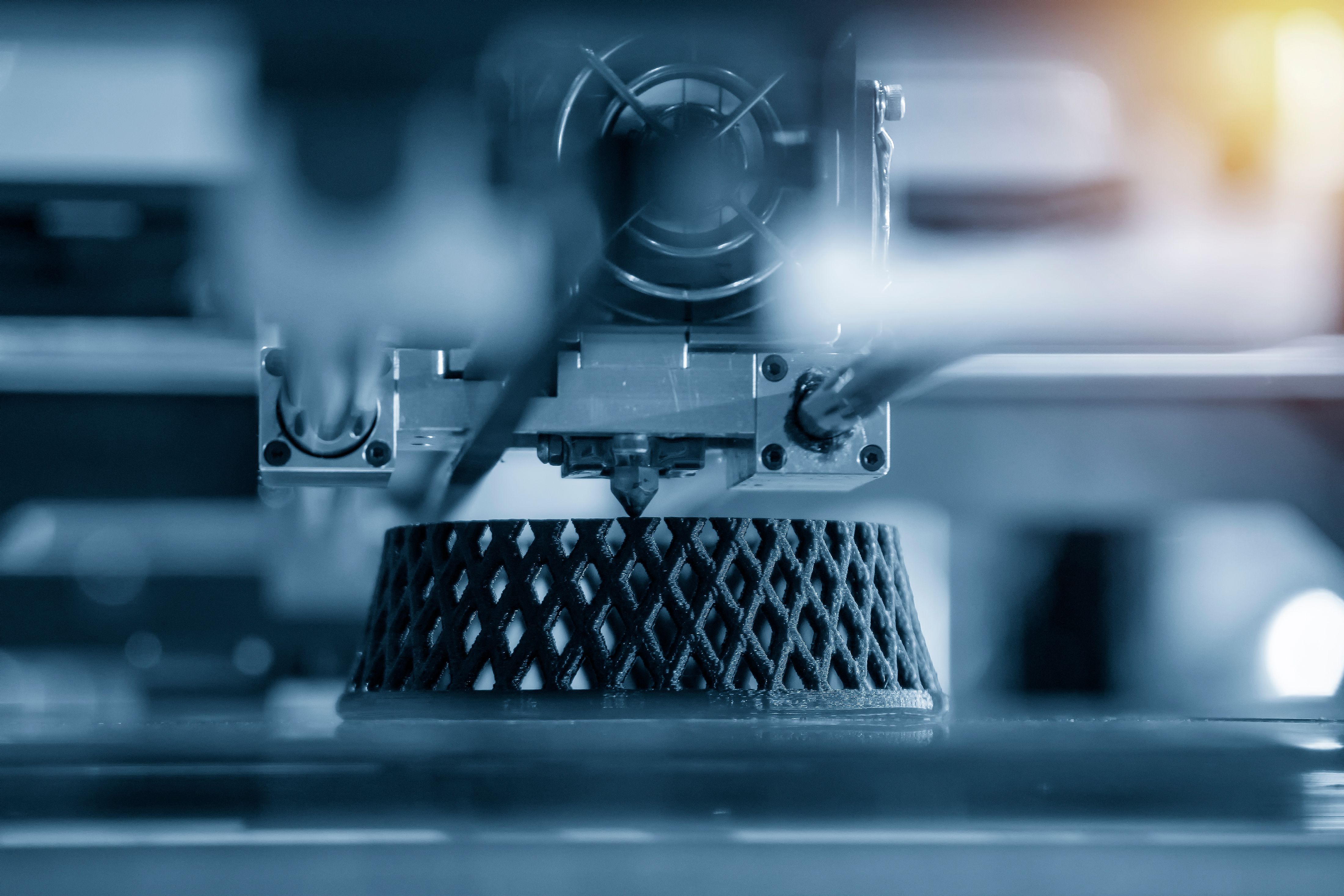





When analyzing samples using liquid chromatography–high-resolution mass spectrometry, there are various ways the processes can be improved. Researchers created new methods for prioritizing these strategies.
When analyzing samples using liquid chromatography–high-resolution mass spectrometry, there are various ways the processes can be improved. Researchers created new methods for prioritizing these strategies.

Here is some of the most popular content posted on LCGC International this week.

Aqueous two-phase systems have become more popular as biomanufacturers look to adopt continuous processing. However, there are several uncertainties regarding widespread use of this technique.

Two-dimensional liquid chromatography (2D-LC) coupled to mass spectrometry (MS) has been used to separate proteins in the venom of the Indian cobra snake.

Ping Wei powder is a type of traditional Chinese medicine used to treat digestive system diseases. Its growth in popularity has led to scientists seeking to properly identify its chemical profile.
Ceftazidime and avibactam are two anti-infective drugs that can prove difficult to analyze in serum. Determining them can assist in therapeutic drug monitoring or pharmacokinetic studies.

Novichok nerve agents are lethal substances when improperly handled. The researchers from the University of Helsinki aimed to find new ways of neutralizing Novichok A-234.

Flavonoids are widely used metabolites that carry out various functions in different industries, such as food and cosmetics. Detecting, separating, and quantifying them in fruit species can be a complicated process.

Highly reactive aldehydes can pose significant health concerns in polluted environments. HPLC was used in this study to simultaneously analyze carbonyl compounds hydrazones.
Here is some of the most popular content posted on LCGC International this week.

Texas Tech University researchers used liquid chromatography–tandem mass spectrometry to quantify glucose transporter 1 (GLUT1) in mammalian brain cells.

Imre Molnár, president of the Molnár-Institute for Applied Chromatography, will be presented with the Tswiett-Nernst European Award at the ISSS conference in September 2025.

Karolinska University Hospital researchers recently tested new approaches for analyzing drugs of abuse in oral fluids.

A recent roundtable discussion featuring Aloka Srinivasan of Raaha, Mayank Bhanti of the United States Pharmacopeia (USP), and Amber Burch of Purisys discussed the challenges surrounding nitrosamine analysis in pharmaceuticals.
A team of researchers from Waters Corporation, led by Szabolcs Fekete, tested a new approach for separating oligonucleotides.

University of Caldas and University of Chile researchers extracted estrogenic hormones from wastewater samples using rotating disk sorption extraction. After extraction, the concentrated analytes were measured using liquid chromatography coupled with photodiode array detection (HPLC-PDA).

Led by Esther A. Olonimoyo, University of Maryland researchers created a new HPLC-based method for analyzing short-chain fatty acids.
Here is some of the most popular content posted on LCGC International this week.
Scientists from Ferdowsi University tested a new type of sorbent for effectively extracting remdesivir from samples.

Scientists from ThermoFisher Scientific published a review article in the Journal of Chromatography A that provided an overview of HPLC analysis using charged aerosol detection can help with polysorbate quantification.
During a recent LCGC International peer exchange discussion on nitrosamine analysis, our professional panelists discussed the complex issues surrounding the processes for detecting nitrosamines.

Researchers from Agency for Science, Technology and Research in Singapore recently published a review article exploring how chromatography can be used to remove double-stranded RNA impurities during mRNA therapeutics production.

Researchers from the University of Mazandaran have developed a new system using HPLC-UV for extracting drugs using high-performance liquid chromatography-ultraviolet spectroscopy systems.
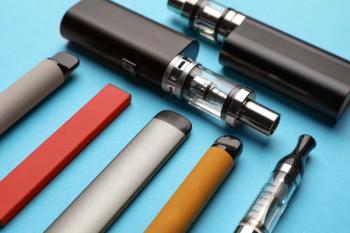
University of Maribor scientists reviewed the techniques used to determine e-liquid and aerosol composition in electronic cigarettes.

A multidimensional liquid chromatography (LC)-based technique was created to help profile antioxidant metabolites in onion leaf extracts.