


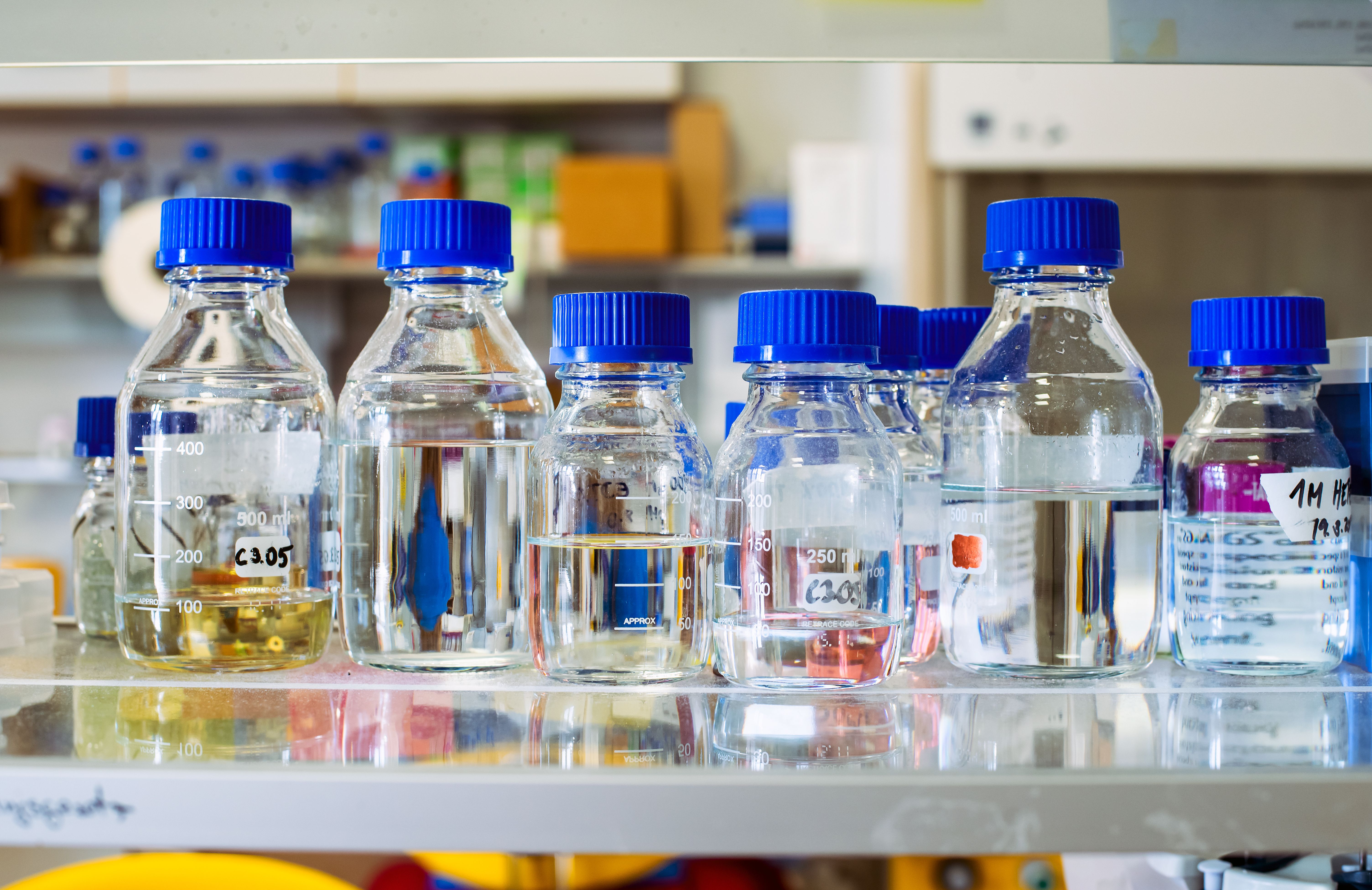


New QuEChERs-based methods were created to detect pesticide residues in commercial dry pet food.
New QuEChERs-based methods were created to detect pesticide residues in commercial dry pet food.

Shea kernels contain bioactive secondary metabolites that can offer potential health benefits. Researchers aimed to learn more about these substances.

Here is some of the most popular content posted on LCGC International this week.
In the latest edition of "LC Troubleshooting", Dwight Stoll explores troubleshooting tips for liquid chromatography, particularly focusing on peak width challenges in large molecule separations and effective solutions.

This review highlights the high performance liquid chromatography (HPLC), mass spectrometry (MS), chromatography data systems (CDS), and related products that were introduced from 2024 to 2025, summarizing the technical specifications of each product and highlighting significant user benefits.

Microplastics can linger in aquatic ecosystems, and there are limited studies that evaluate those substances’ sorption kinetics. Researchers aimed to investigate the sorption behavior of cortisone on MPs.

Analyzing esters from marigold flowers can be a complicated process. Researchers created a new approach for separating these substances using ultra-high-performance low pressure supercritical chromatography (UHP/LP-SFC).

Water pollution management is an important process that faces difficulty with handling microplastics. University of Porto (Portugal) researchers aimed to optimize existing methods to help rectify this issue.

At the ASMS conference, Jack Henion emphasized contributions from colleagues and industry partners. He reflected on innovations that have shaped liquid chromatography–mass spectrometry (LC–MS) and the importance of teamwork in driving scientific breakthroughs.
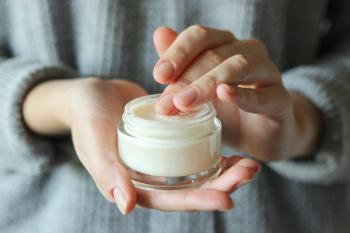
Oxygen heterocyclic compounds are notable components in citrus-scented creams, though quality control is important when using these compounds. Researchers recently created a workflow for extracting these substances using a deep eutectic solvent (DES) for microwave-assisted extraction (MAE).
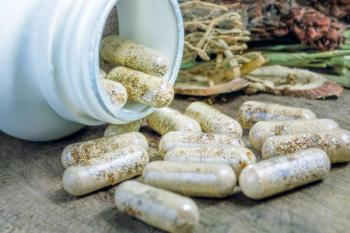
A type of traditional Chinese medicine that is believed to address depression symptoms, scientists recently studied the medicine’s components of the Xiaoyao Pill (XYP) to measure its effectiveness and identify its components.

In this month's edition of the LCGC Blog, discover how weighted least squares regression enhances quantitation accuracy in analytical chemistry, particularly for low-concentration analytes in HPLC.

A method has been developed to determine the enantiomeric composition of lactofen using RP-HPLC–DAD and a chemometric approach.
Here is some of the most popular content posted on LCGC International this week.

In a new study, researchers explored quantifying bile acids and tryptophan metabolites in human serum samples was created using ultrahigh-performance liquid chromatography coupled with tandem mass spectrometry (UHPLC–MS/MS).

To address multi-drug resistance (MDR) among harmful substances, liquid chromatography–tandem mass spectrometry was used to test fosfomycin as a means of bypassing growing MDR amongst microorganisms.

Diflubenzuron and similar compounds can be signs of cattle fever ticks, which can cause morbidity in cattle. LC–MS/MS was recently tested as a means of detecting these disease-carrying insects.

Detecting tryptophan and other metabolites can be done using various techniques. Researchers created a new UHPLC–MS/MS-based method for quantifying these substances in human plasma.
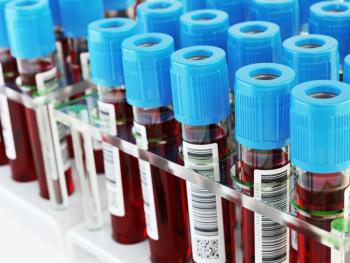
While venous blood sampling can help gain understanding of patients’ health through phenolic compound analysis, this process can prove discomforting. Volumetric absorptive microsampling has recently been proposed as a more suitable and equally effective alternative.

Dimethylamine (DMA) is the smallest organic amine, typically being found in both humans and marine ecosystems. Dimitrios Tiskas of Hannover Medical School recently analyzed the nature and significance of DMA and other amines.
Here is some of the most popular content posted on LCGC International this week.

Kerstin Thurow, who achieved first professorship in “Laboratory Automation” at the Faculty of Engineering at the University of Rostock, in Germany, offers insights into the constantly-evolving field of laboratory automation.

LCGC International’s Rising Star of Separation Science Winner for the LC Category, Bram Huygens from the Vrije Universiteit Brussel in Brussels, Belgium, recaps the work he presented for his award and his current research focus.

Isavuconazole, an antimycotic agent used to treat fungal infections, can typically be found during dried blood spot sampling. However, there are obstacles that keep it from being an ideal approach for properly determining the drug’s presence.

High-performance liquid chromatography (HPLC) was recently used to detect acylated impurities in artificial hormones meant to treat prostate cancer symptoms.