



Using ultra-performance liquid chromatography-tandem mass spectrometry (UHPLC-MS/MS), China Pharmaceutical University scientists developed a new method for analyzing compounds found in wastewater.

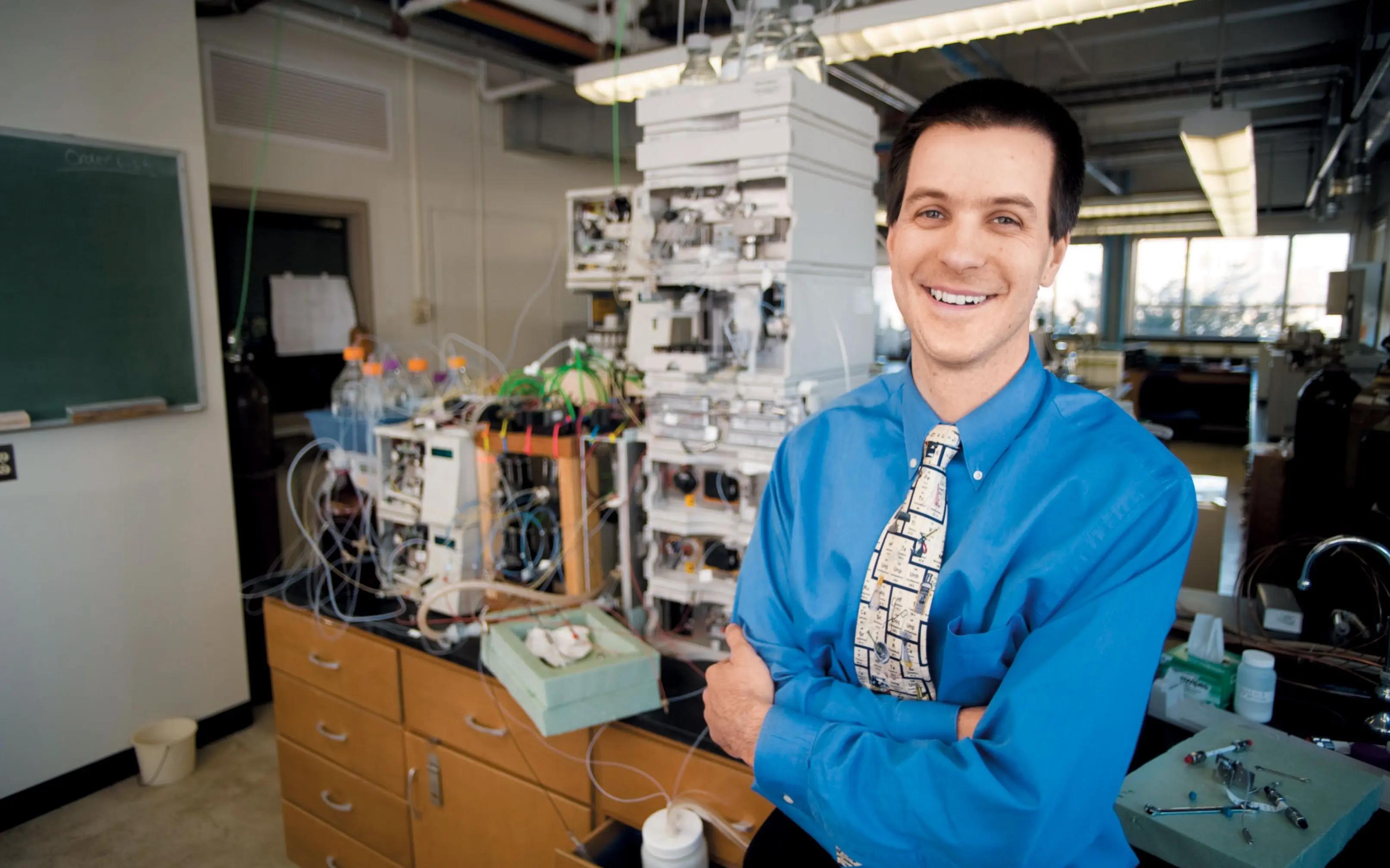
An investigation into fluoroelastomer watch bands has revealed high levels of perfluorohexanoic acid (PFHxA), a short-chain per- and polyfluoroalkyl substance (PFAS). LCGC International spoke to Professor Graham Peaslee from the University of Notre Dame about his team’s study using liquid chromatography tandem mass spectrometry (LC–MS/MS) and PFHxA's potential for dermal absorption, and the subsequent environmental and health impacts.
Using ultra-performance liquid chromatography-tandem mass spectrometry (UHPLC-MS/MS), China Pharmaceutical University scientists developed a new method for analyzing compounds found in wastewater.

Here is some of the most popular content posted on LCGC International this week.

University of Valencia scientists recently developed a method using solid-phase extraction (SPE) followed by high-performance liquid chromatography coupled to high-resolution mass spectrometry (HPLC–HRMS/MS) for detecting microplastics and other harmful substances in textiles.

Spanish scientists recently tested flow injection analysis–mass spectrometry (FIA–MS) and its effectiveness in detecting fraudulent substances in Coleus forskohlii food supplements.

Here is some of the most popular content posted on LCGC International this week.

Jiangsu Police Institute scientists recently created a solid-phase microextraction (SPME)-based method for determining amphetamine-type stimulants.

University of Oslo scientists combined electromembrane extraction (EME) and flow injection-MS/MS (FI–MS/MS) to determine polar endogeneous metabolites in human plasma.
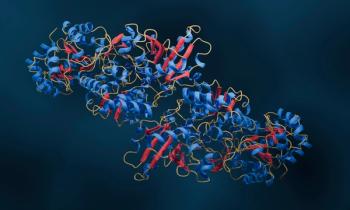
In this article, the use of comprehensive two-dimensional liquid chromatography (LC×LC) coupled to mass spectrometry (MS) for characterizing glycosylation of therapeutic enzymes is presented.

In the first LCGC Blog of 2025, Caitlin Cain of the University of Michigan highlights the divide between gas and liquid chromatographers, and why both types of techniques should be in the same conversations.

In 2024, we launched a content series, covered major conferences, presented prestigious awards, and continued our monthly Analytically Speaking podcasts. Below, you'll find a selection of the most popular content from LCGC International over the past year.

An LC–HRMS approach for the simultaneous analysis of 15 N-nitrosamines in multiple APIs using a novel HILIC-based SPE clean-up step has been developed and tested.
This collection of technical articles, interviews, and news pieces delves into the latest innovations in LC methods, including advance in high performance liquid chromatography (HPLC), ultrahigh-pressure liquid chromatography (UHPLC), liquid chromatography–mass spectrometry (LC–MS), and multidimensional LC.
Here is some of the most popular content posted on LCGC International this week.

In this article, we review some key considerations for chromatographic technique selection and method development across the full drug process—from early-stage active pharmaceutical ingredient (API) synthesis to routine commercial release activities.

Separation scientists frequently encounter critical pairs that are difficult to separate in a complex mixture. To save time and expensive solvents, an effective alternative to conventional screening protocols or mathematical peak width reduction is called iterative curve fitting.

In this installment of "LC Troubleshooting," Dwight Stoll discusses several essential principles related to when and why buffers are important, as well as practical factors, such as commonly used buffering agents, that are recommended for use with different types of detectors.

The Chromatographic Society (ChromSoc) has announced the winners of the Martin Medal and the Silver Jubilee Medal for 2025. Professor Bogusław Buszewski of Nicolaus Copernicus University in Torun, Poland, has been awarded the prestigious Martin Medal, and the 2025 Silver Jubilee Medal has been awarded to Elia Psillakis of the Technical University of Crete in Greece.

Known as “forever chemicals”, PFAS exposure has been linked indirectly and directly to a range of potential health issues. The objective of this study was the development of an optimized sample preparation and LC–MS/MS method for the analysis of PFAS in serum for biomonitoring applications.

Recently, we talked with Jim Grinias of Rowan University about his experiences at EAS 2024 and his expectations for analytical chemistry trends in 2025.

Shanghai University of Sport scientists recently developed a doping control method based on gas chromatography combustion isotope ratio mass spectrometry (GC/C/IRMS).

As part of our RAFA 2024 coverage, we interviewed Rudolf Krska of BOKU University about his research on food safety, specifically regarding using analytical methods to mycotoxins and other secondary metabolites in plants and foods.

Giorgia Purcaro from the University of Liège was interviewed at RAFA 2024 by LCGC International on the benefits of modern multidimensional GC methods to analyze mineral oil aromatic hydrocarbons (MOAH) and mineral oil saturated hydrocarbons (MOSH).

Michael Sulyok of the University of Natural Resources and Applied Life Sciences discusses a novel “dilute and shoot” LC–MS/MS technique to analyze mycotoxins in grain products.
Here is some of the most popular content posted on LCGC International this week.

A series of lectures focusing on emerging analytical techniques used to analyse food contamination took place on Wednesday 6 November 2024 at RAFA 2024 in Prague, Czech Republic. The session included new approaches for analysing per- and polyfluoroalkyl substances (PFAS), polychlorinated alkanes (PCAS), Mineral Oil Hydrocarbons (MOH), and short- and medium-chain chlorinated paraffins (SCCPs and MCCPs).