




Liquid Chromatography (LC/HPLC)
Latest News
Advertisement
Latest Videos









Advertisement
More News

LCGC International interviewed Bob Pirok from the University of Amsterdam, Netherlands to discuss strategies for enhancing method robustness in 2D LC, practical approaches for tracking peaks across complex data sets, and the role of machine learning and AI in chromatography.

Scientists from the Technical University of Munich and Lund University explored the use of new models for liquid-liquid chromatography based off pre-existing procedures for liquid-liquid extraction.

Recently, we spoke with Esther Olonimoyo from the University of Maryland, who recently published a study using high-performance liquid chromatography to analyze short chain fatty acids.

To better detect polycyclic aromatic hydrocarbons in the human body, a UHPLC–MS/MS method was developed and tested on urine samples from workers exposed to diesel exhaust.

To quantify antibiotics in ICU patients’ blood, dried blood spot analysis was sued alongside UHPLC–MS/MS to monitor these substances in a more convenient matter.
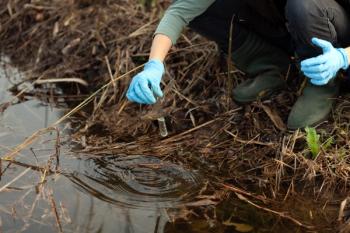
In a new study, researchers explored a new approach for detecting pesticide residues in water samples, based around ionic liquid-based dispersive liquid–liquid microextraction (IL-DLLME).
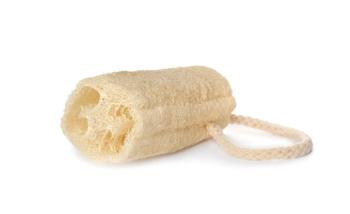
A new analysis method for detecting bisphenols in environmental sources was tested using loofah sponges and solid-phase extraction.

In a new study, researchers used GC–MS and LC–MS were used to detect composition fraud in food supplement creation.

A new dried spot-based technique involving untargeted liquid chromatography coupled with high-resolution mass spectrometry was testing for characterizing foodstuffs.

A high-throughput workflow for wide-targeted metabolomics in dried blood spots (DBS) is presented.

An investigation into whether 3D-printed sorbent devices introduce background contaminants in untargeted LC–QTOF-MS analyses.
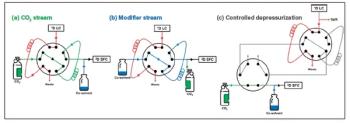
This study delves into the challenges of online coupling, offering solutions to overcome peak distortion and enhance reliability in complex sample analysis. The resulting LC×SFC–MS/MS analysis allows differentiation of isomers in very complex samples, regardless of similar fragmentation patterns.

In this interview, Caroline West, professor at the University of Orléans and an active member of LCGC International’s editorial advisory board, discusses current perspectives on the fundamentals of SFC.

This article explores the use of chromatographic retention measurements in both LC and SFC to develop quantitative retention activity relationship (QRAR) models, offering a predictive tool for skin permeability without animal testing.

Discover a novel GC-based method for accurately analyzing organic carbonates in lithium-ion batteries without the need for complex calibrations.

This article explores the technological advancements in HPLC that enhance its role in analyzing PFAS in food, including innovations in column technology, detection systems, and sample preparation techniques.

In this interview, Gesa Schad from Shimadzu Europe, Germany, discusses how SFC is being used in practice, why she launched SFC For Dummies at HPLC 2025, and how common misconceptions surrounding the robustness of SFC have been addressed some time ago.

New upgrades to the Waters Corporation Alliance iS HPLC System Software systems were recently discussed at HPLC 2025.

Here is some of the most-read content posted on LCGC International this week.

An innovative workflow that combines iterative data-dependent acquisition (DDA) and data-independent acquisition (DIA) to enhance the identification of unknown pollutants in urban runoff is presented.

A new separation platform based on chromatographic techniques was used to characterize algae hydrocolloids.

This article describes the analytical challenges of chemical exposomics in food safety. The need for high-throughput, multi-platform approaches—such as LC–HRMS and GC–HRMS with IMS—to capture the full spectrum of potential contaminants in our food supply is emphasized.

Researchers from Waters and Biospring studied the contribution of nucleotide type and modifications on the retention and resolution of 22–24 nt long oligonucleotides in different chromatographic methods.
Here is some of the most-read content posted on LCGC International this week.
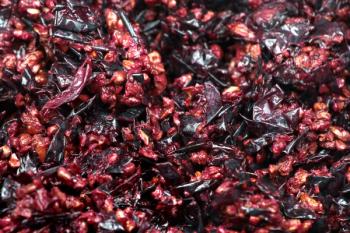
Grape pomace, a byproduct of the winery industry, holds various phenolic compounds within it. Scientists used liquid chromatography-based techniques to harvest these potentially beneficial components.
Advertisement
Advertisement
Trending on LCGC International
1
UHPLC-MS Reveals Metabolic Signatures in Epilepsy
2
SFC Points to Greener Path for Chromatography
3
"One-Shot" Solutions for Preparative Chiral Sub/Supercritical Fluid Chromatography Using Chiroptical Detection
4
Py-GC-MS Reveals Rising Lung Microplastic Burden
5