



Liquid Chromatography (LC/HPLC)
Latest News
Advertisement
Latest Videos







Advertisement
More News

Discover the 2026 HTC Innovation Award, recognizing groundbreaking contributions in separation science and hyphenated techniques by emerging scientists.

David S. Hage discusses how emerging chemists are trained to evaluate data critically, validate methods rigorously, and apply analytical techniques to practical, real-world challenges.
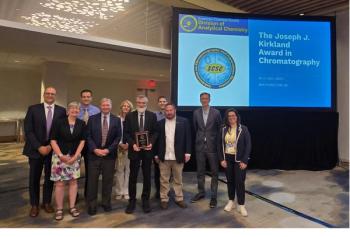
This LCGC blog highlights the ACS SCSC’s initiatives, events, and awards that connect and support the global separation science community across academia, industry, and government.

The 54th International Symposium on High Performance Liquid Phase Separations and Related Techniques (HPLC 2025), was held from June 15–19, 2025, in Bruges, Belgium. This “Column Watch” installment presents many of the highlighted topics and trends observed at this symposium.

Explore the complexities of GLP-1 impurity detection using HPLC/UHPLC and innovative strategies to enhance analysis and regulatory compliance.

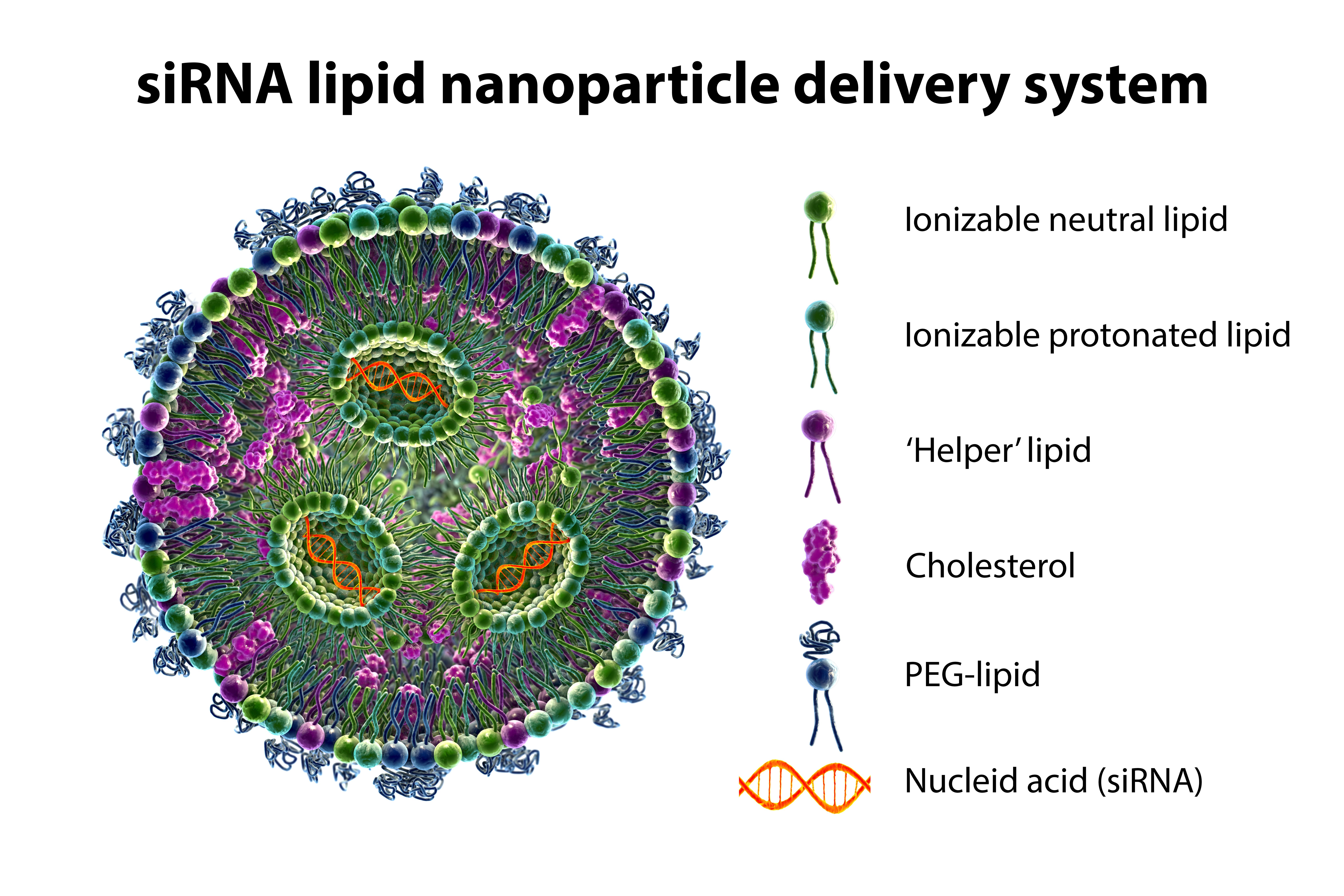
Analyzing Small RNA-based Therapeutics and Their Process Impurities Using Fast and Sensitive LC–HRMS
Discover innovative LC–HRMS methods for analyzing RNA-based therapeutics, enhancing biopharma development and regulatory compliance in drug characterization.
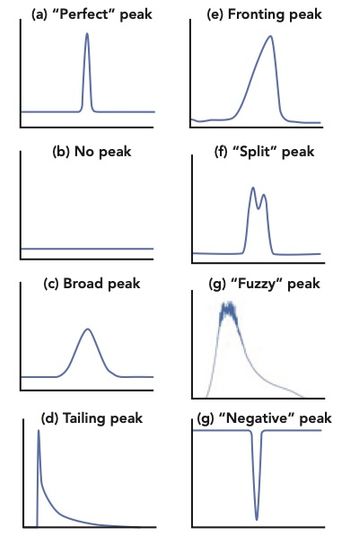
Master LC troubleshooting techniques to optimize your analysis and resolve issues with confidence.

A reversed-phase liquid chromatography–charged aerosol detector (RPLC–CAD) method was developed and validated per ICH Q2(R1) guidelines for simethicone quantification.

How does liquid chromatography (LC) assist in forensic analysis?

The development of a high-throughput LC–MS/MS method for quantifying 135 pesticides with improved accuracy and robustness is discussed.

A recent study details the development of an LC–MS/MS method for detecting pesticide residues in a challenging matrix, chili powder.
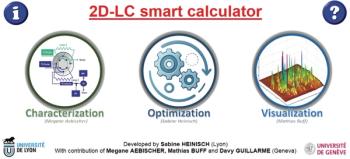
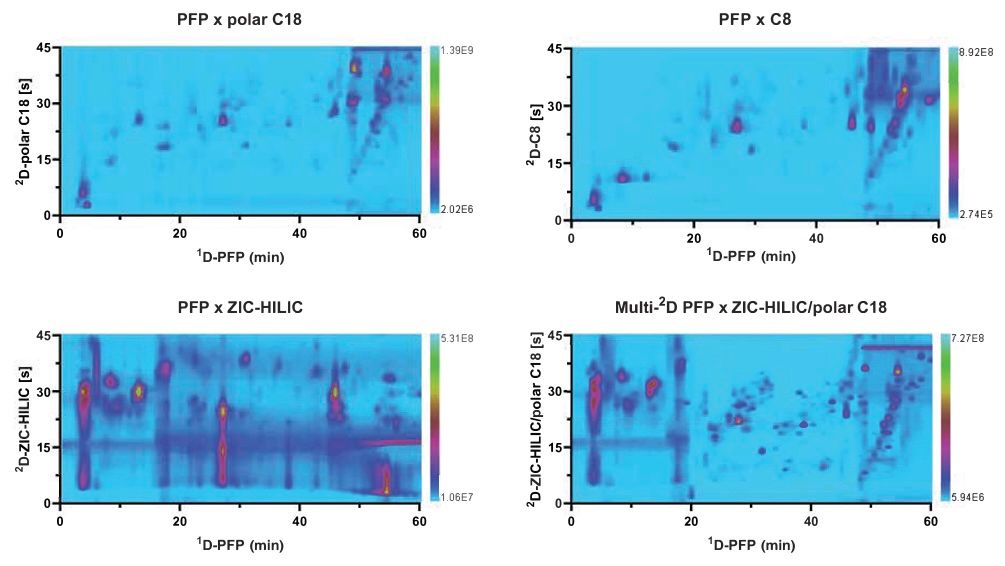
An Excel-based tool has been developed to help users understand the fundamentals of comprehensive 2D-LC.

How to take ownership of your next career steps

Kerstin Thurow, who achieved first professorship in “Laboratory Automation” at the Faculty of Engineering at the University of Rostock, in Germany, offers insights into the constantly-evolving field of laboratory automation.

HPLC is indispensable in pharmaceutical analysis and quality control despite some notable shortcomings in laboratory testing and processes to ensure regulatory compliance.

Liquid chromatography (LC) is an incredibly powerful analytical tool that can be used to characterize materials across an astonishingly wide array of applications, ranging from 1 megaDalton polystyrenes to small genotoxic impurities of concern in pharmaceutical manufacturing. However, with this power also comes with a lot of detail related to successful operation of an LC instrument and analysis of the data it produces. This can be challenging when onboarding new LC users—how do we train someone new, where do we start, and which resources are best? In this installment, I will highlight ten high priority topics that every new user should be familiar with, no matter the training mechanism.

High performance liquid chromatography (HPLC) is a widely used and well-established technique, routinely employed by thousands of analytical scientists worldwide. Nonetheless, certain challenges—arising from the complex interplay of multiple factors affecting peak retention and separation—persist. In this context, multidimensional modeling approaches can provide valuable support.

Discover how to optimize LC×LC orthogonality for organic micropollutants analysis, enhancing method development with a new open-source Python tool.
Discover how a multi-metric orthogonality score enhances LC×LC separation quality, reducing bias and improving method development in chromatography.

Are you ready to put your skills to the test?

This article explores advanced oligonucleotide analysis techniques, including chromatography methods for therapeutic RNA, siRNA, and mRNA, enhancing nucleic acid research.


This week, LCGC International published a variety of articles on hot topics in separation science. From a feature article on about the latest challenges in U.S. research funding to an article that recaps the latest HPLC products sent to market this year, we remain dedicated to sharing the latest in chromatographic advancements. Below, we’ve highlighted some of the most popular articles that were published this week.

The latest edition of "Column Watch" features our annual review of new liquid chromatography columns and accessories, introduced at Pittcon and other events over the past 12 months.

In this installment, we explore the key relationships between efficiency and mobile phase flow rate and particle size, as well as secondary determinants of efficiency, including analyte retention, size, and chemistry, and instrumental effects.
Advertisement
Advertisement
Trending on LCGC International
1
UHPLC-MS Reveals Metabolic Signatures in Epilepsy
2
SFC Points to Greener Path for Chromatography
3
"One-Shot" Solutions for Preparative Chiral Sub/Supercritical Fluid Chromatography Using Chiroptical Detection
4
Py-GC-MS Reveals Rising Lung Microplastic Burden
5