


Multidimensional LC
Latest News
Advertisement
Latest Videos


Advertisement
More News

This article reviews literature related to 2D-LC applications in the biopharmaceutical field over the past six years (2018-2024).

The components of explosive devices can be difficult to characterize, whether pre- or post-blast. To rectify this, two-dimensional liquid chromatography was tested as a means of analyzing these compounds.

Using two-dimensional liquid chromatography–mass spectrometry, a new workflow was developed to characterize phosphorodiamidate morpholino oligomers, which can help treat infectious diseases.

Here is some of the most-read content posted on LCGC International this week.

Grape pomace, a byproduct of the winery industry, holds various phenolic compounds within it. Scientists used liquid chromatography-based techniques to harvest these potentially beneficial components.

Shea kernels contain bioactive secondary metabolites that can offer potential health benefits. Researchers aimed to learn more about these substances.

The article discusses advancements in two-dimensional liquid and gas chromatography (LC×LC and GC×GC) to address the challenges of analyzing complex samples in non-target analysis.

Two-dimensional liquid chromatography (2D-LC) coupled to mass spectrometry (MS) has been used to separate proteins in the venom of the Indian cobra snake.

A multidimensional liquid chromatography (LC)-based technique was created to help profile antioxidant metabolites in onion leaf extracts.

Researchers from KU Leuven explored two-dimensional liquid chromatography (2D-LC)’s application to profile micropollutants in wastewater.
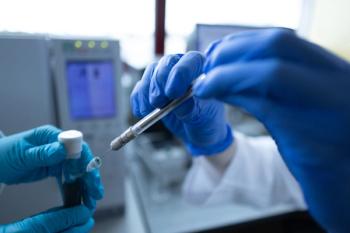
A new review article provides an overview of the use of two-dimensional liquid chromatography (2D-LC) for the quantitative analysis of natural products.

LCGC International spoke to Paul-Albert Schneide and Oskar Munk Kronik about the development and application of a novel two-step workflow—mass filtering (MF) combined with multivariate curve resolution (MCR)—for extracting clean mass spectra from trace-level compounds in LC×LC–HRMS data.

ACD/Labs recently released their 2025 Structure Elucidation & Verification Report, discussing how informatics trends have shifted since 2022.

In this edition of The LCGC Blog, Jonathan Shackman discusses what factors to consider when choosing a mobile phase for liquid chromatography (LC) procedures.

University College London scientists recently created a new technique for selecting two-dimensional liquid chromatography (2D-LC) columns.
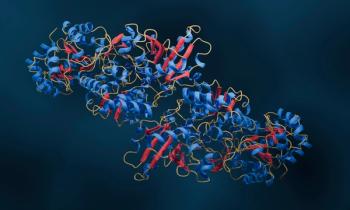
In this article, the use of comprehensive two-dimensional liquid chromatography (LC×LC) coupled to mass spectrometry (MS) for characterizing glycosylation of therapeutic enzymes is presented.

In the first LCGC Blog of 2025, Caitlin Cain of the University of Michigan highlights the divide between gas and liquid chromatographers, and why both types of techniques should be in the same conversations.

Separation scientists frequently encounter critical pairs that are difficult to separate in a complex mixture. To save time and expensive solvents, an effective alternative to conventional screening protocols or mathematical peak width reduction is called iterative curve fitting.
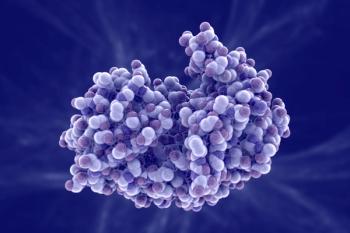
In this article, the use of comprehensive two-dimensional liquid chromatography (LC×LC) coupled to mass spectrometry (MS) for characterizing glycosylation of therapeutic enzymes is presented.
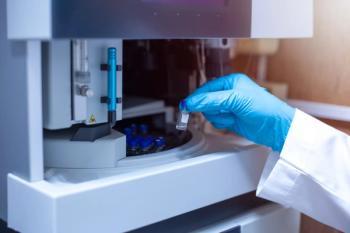
In this installment of “LC Troubleshooting,” we describe an artifact that can arise because of compound degradation during the transfer of fractions of the first dimension (1D) column effluent to the 2D separation.

Soochow University scientists used a mass spectrometry (MS)-based system to help better understand the structure of Sulodexide.

In this month’s column, I highlight some of the primary considerations we face in method development and point to resources that can help users overcome uncertainty and develop highly effective 2D-LC methods.

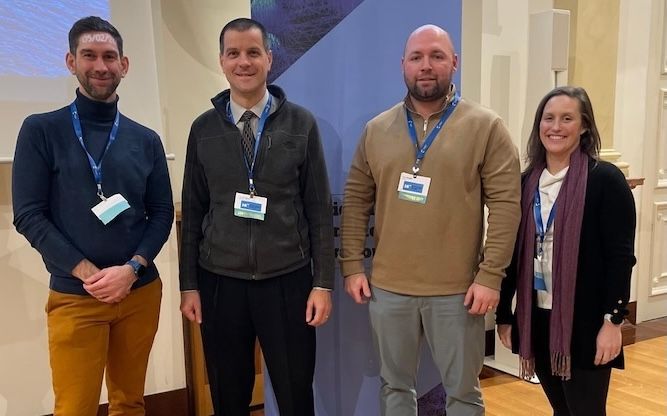
During the 18th International Symposium on Hyphenated Techniques in Chromatography and Separation Technology, experts presented a workshop on different ways multidimensional liquid chromatography can be applied.
Here are the top five articles that the editors of LCGC International published this week.
Advertisement
Advertisement
Trending on LCGC International
1
Green Chemistry Meets Affinity Chromatography
2
AI ML Now: Gert Desmet on the State of Artificial Intelligence and Machine Learning in Separation Science
3
HILIC and the Shift Beyond TFA in GLP-1 Analysis
4
Conversations with Michael Dong: Reversed-Phase Chromatography: Retention Mechanism of Hydrophobic Interaction
5