

Erin Chambers outlines the signals Waters tracks when deciding where to invest R&D across GLP-1s, lipid nanoparticles, mRNA, and ADCs.
Erin Chambers outlines the signals Waters tracks when deciding where to invest R&D across GLP-1s, lipid nanoparticles, mRNA, and ADCs.

A history of the James L. Waters Symposium at Pittcon, from its 1987 origins and its founder, instrument entrepreneur James Logan Waters, through thirty-six installments of speakers spanning gas chromatography to generative AI.
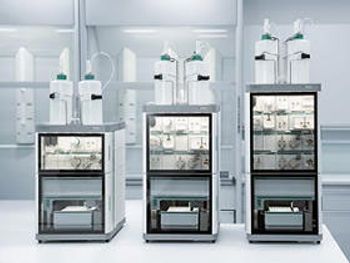
Metrohm’s new system consolidates sample preparation, analysis, and monitoring into a single automated platform, built on the company's existing OMNIS architecture.
Gas chromatography-high resolution mass spectrometry (GC-HRMS) identifies novel disinfection byproducts in desalinated waters.
Ultrahigh-performance liquid chromatography-quadrupole time-of-flight mass spectrometry (UHPLC-QTOF-MS) links fungal disease-driven chlorosis to chlorophyll breakdown in apple tree leaves.
David Hage explains why an understanding of chromatography and related methods is important.
Erin Chambers explains why she views column chemistry, not hardware, as chromatography's real differentiator, citing two recent Waters launches.
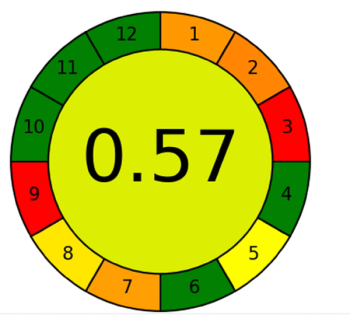
Mary Ellen P. McNalley's latest "Sample Prep Perspectives" column demonstrates that AMGS, AGREE, and SPMS each quantify analytical greenness through distinct but complementary lenses—solvent/instrument energy demand, the full 12-principle GAC framework, and sample-preparation-specific sustainability, respectively—giving chromatographers practical, easy-to-use tools to benchmark and iteratively reduce the environmental footprint of their methods with measurable, reproducible scores.
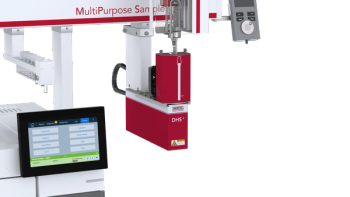
GERSTEL reveals the mechanics behind their automated dynamic headspace extraction system.

Reversed-phase high-performance liquid chromatography (RP-HPLC) and ultraviolet (UV) methods jointly quantify celecoxib and ciprofloxacin.
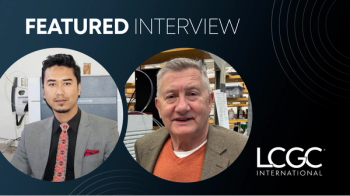
Ultrahigh-resolution mass spectrometry measured plutonium and samarium isotope ratios in irradiated uranium directly, skipping chemical separation and cutting analysis time while avoiding common interference problems. LCGC International spoke to Clemson University’s Suraj Shrestha and R. Kenneth (Ken) Marcus about the process.
EPRW 2026 marks 30 years of pesticide residue analysis innovation in Rotterdam.
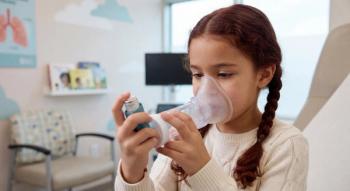
Pyrolysis-gas chromatography–mass spectrometry (Py-GC–MS) reveals microplastic burden linked to asthma severity in children.

This week, Chromatography Online covered the latest chromatography and mass spectrometry research—from tracking water contaminants and algae toxins to studying hormone sampling and breast cancer metabolites—plus the newest industry product releases.
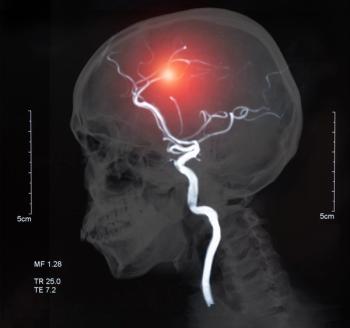
Ultra-high-performance liquid chromatography–high-resolution mass spectrometry (UHPLC-HRMS) lipidomics may help predict post-stroke cognitive decline.
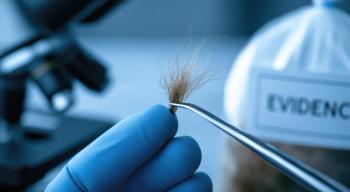
Liquid chromatography-tandem mass spectrometry (LC-MS/MS) reveals which hair-sampling method yields more reliable results.
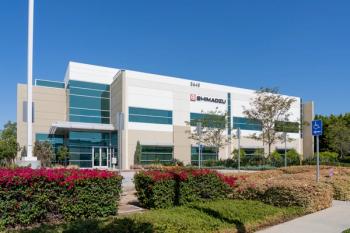
Shimadzu has launched the Nexera X4, a new high-end ultrahigh-pressure liquic chromatography (UHPLC) system designed to deliver sharper, more stable results with less solvent waste and downtime, aimed at laboratories running demanding chromatography and liquid chromatography-mass spectrometry (LC-MS) workflows.

Liquid chromatography-tandem mass spectrometry (LC-MS/MS) reveals how farming methods shape antibiotic levels in soil.
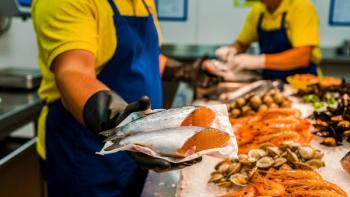
A new vacuum-assisted sorbent extraction-gas chromatography-mass spectroscopy (VASE-GC-MS) method sensitively detects personal care product residues in fish.
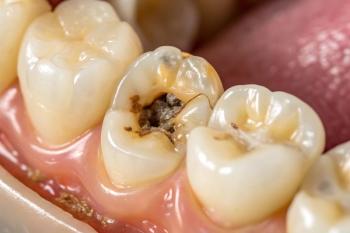
Liquid chromatography-tandem mass spectrometry (LC-MS/MS) is used to determine whether there is a link between salivary endocannabinoids and tooth decay.

Two-dimensional gas chromatography coupled with time-of-flight mass spectrometry (2D-GC-TOF-MS) links volatile compounds to flavor traits in sweet potatoes.
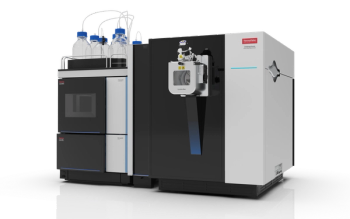
Thermo Fisher’s new Orbitrap platform brings molecular-level isotope ratio analysis within reach of more labs.
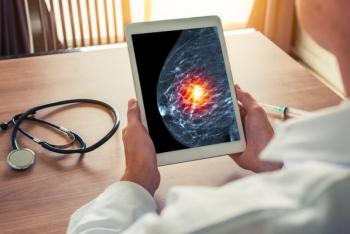
Liquid chromatography-tandem mass spectrometry (LC-MS/MS) tracks methionine cycle metabolites in luminal breast cancer.
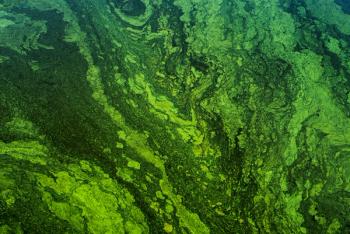
A simple new method using ultrahigh-performance liquid chromatography-tandem mass spectrometry (UHPLC-MS/MS) quickly checks fish blood for harmful algae toxins.
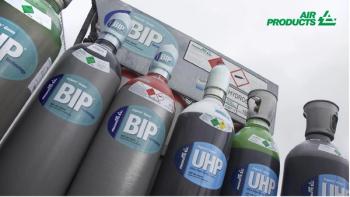
Air Products' BIP Argon delivers point-of-use purification down to single-digit ppb impurity levels, giving GC and ICP labs the baseline stability, sensitivity, and equipment protection of an external purifier, without needing one.
Massimo Del Bubba and Lapo Renai tell LCGC International how liquid chromatography-high resolution mass spectrometry (LC-HRMS) combined with a design of experiments (DoE) strategy enhances proactive monitoring of trace chemicals of environmental concern (CECs) to support drinking water safety and quality.

Chromatography reveals most International Space Station medications retain potency in orbit.
This week’s Chromatography Online coverage highlights chromatography's expanding reach—from greener tetracycline and pesticide-residue methods to LC-MS/MS and GC-MS breakthroughs in detecting pregnancy loss markers, bladder cancer, tobacco exposure, and cardiac risk.

Chromatography-based lipidomics helps predict large-for-gestational-age risk.

Sponsored Content
Gas chromatography-mass spectrometry (GC-MS) uncovers how starving sea urchins persist in kelp barrens.ary here.