
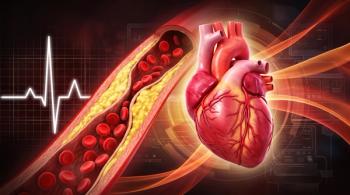
High-performance liquid chromatography-mass spectrometry (HPLC-MS) blood analysis links linoleic acid, bile acids to cardiac risk.
High-performance liquid chromatography-mass spectrometry (HPLC-MS) blood analysis links linoleic acid, bile acids to cardiac risk.

Marinella Vitulli calls formal cross-laboratory proficiency testing, not better detection technology, the field's biggest gap in NIAS analysis.

Gas chromatography/liquid chromatography-mass spectrometry (GC/LC-MS) methods measure pesticide residue after chlorine-radical treatment.

Click here to access the LCGC International July/August 2026 North American PDF in an interactive format.
Click here to access the LCGC International July/August 2026 European PDF in an interactive format.

Chromatography meets new biosensors for cannabinoid pain-therapy tracking.

Liquid chromatography-tandem mass spectrometry (LC-MS/MS) analysis of urinary cotinine objectively assesses tobacco exposure in women.

Machine learning boosts gas chromatography-mass spectrometry (GC-MS) urine testing for bladder cancer detection.
Ruling out false-positive NIAS annotations using triplicate testing and matched oven blanks rather than spectral criteria alone.

Liquid chromatography-tandem mass spectrometry (LC-MS/MS) reveals inflammatory lipid markers in recurrent pregnancy loss.

A multinational research team developed a green, miniaturized CPME-HPLC-DAD method to simultaneously extract and detect four tetracyclines in human urine, offering a simpler, cheaper alternative to LC-MS/MS with improved sensitivity. LCGC International spoke to Fedra Vasileiou, Victoria Samanidou, and Abuzar Kabir, three of the authors of the paper that resulted from this work.

Headspace gas chromatography-mass spectrometry (GC-MS) identifies urinary ketones as potential concussion markers.

LCGC International launches "Beyond the Critical Point: Expert Insights in SFC," a topic takeover exploring SFC's science, evolution, and real-world applications.

Liquid chromatography-electrospray ionization-tandem mass spectrometry (LC-ESI-MS/MS) uncovers bat metabolomic clues to blood glucose regulation.

Ranking non-intentionally added substance (NIAS) risk by consumer exposure and packaging use-case, not by hazard data alone..

A liquid chromatography-tandem mass spectrometry (LC-MS/MS)-based steroid score predicts heart failure outcomes post-discharge.

Gas chromatography-tandem mass spectrometry (GC-MS/MS) method finds pesticide residues in Slovenian juices and wines.

High-performance liquid chromatography with a diode array detector (HPLC-DAD) and liquid chromatography-mass spectrometry (LC-MS) flavonoid profiling classifies okra by geographic origin.

Liquid chromatography-quadrupole time-of-flight mass spectrometry (LC-QTOF-MS) identifies serum metabolites linked to age-related hearing loss.
Marinella Vitulli finds concentrated extracts reveal a broader contaminant profile than simulant migration tests, but filtration risks introducing cross-contamination.

Two-dimensional gas chromatography coupled with time-of-flight mass spectrometry (GCxGC-TOF-MS) analysis links tooth toxicant exposure to autism risk.

Liquid chromatography-tandem mass spectrometry (LC-MS/MS) show how extraction method shapes shrimp allergen data.

A 2026 snapshot of chromatography, mass spectrometry, software, and laboratory tools advancing automation, compliance, sensitivity, and workflow efficiency
"GC Connections" column editor Nick Snow presents an IUPAC-based review of correct gas chromatography terminology and symbols

Gas chromatography-tandem mass spectrometry (GC-MS/MS) analysis maps PAH, PCB, and OCP pollution in Strasbourg, France.
The identification-confidence framework used to rank suspect and non-intentionally added substance (NIAS) detections is discussed.
Nominate a colleague for the 2027 LCGC Emerging Leader in Chromatography Award!

Nominate a colleague for the 2027 LCGC Lifetime Achievement in Chromatography Award!

LCGC International spoke to Irene Digiglio and Giorgia Purcaro about what they report is the first head-to-head comparison of the HS-SPME, Vac-HS-SPME, and HiSorb techniques for analyzing volatile organic compounds in virgin olive oil.