

A new ultra-high-performance liquid chromatography-electrospray ionization-tandem mass spectrometry (UHPLC-ESI-MS/MS) method measures cortisol and cortisone in wild wolf hair.
A new ultra-high-performance liquid chromatography-electrospray ionization-tandem mass spectrometry (UHPLC-ESI-MS/MS) method measures cortisol and cortisone in wild wolf hair.


Ultrahigh-performance liquid chromatography-high-resolution mass spectrometry (UHPLC-HRMS) reveals metabolic differences tied to obesity in sufferers of schizophrenia.

Marinella Vitulli explains how her lab prioritizes and updates its PFAS and bisphenol screening libraries as new analogues emerge.

Using high-resolution gas chromatography coupled with high-resolution mass spectrometry (HRGC-HRMS) finds only trace dioxin, PCB levels in wild edible land snails.

High-performance liquid chromatography (HPLC) verifies accurate dosing in new lollipop for post tonsil/adenoid removal surgery.

Size-exclusion high-performance liquid chromatography with fluorescence detection (HPLC-SEC-FLD) and attenuated total reflectance Fourier-transform infrared spectroscopy (ATR-FTIR) trace carbon nanodot glow to beer roasting process.
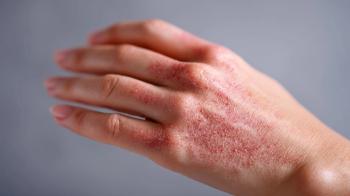
Various chromatography techniques purify fish-derived peptide WPN-15, shown to ease eczema signs.

Waters Q2 2026 results show strong chromatography instrument and consumables growth.
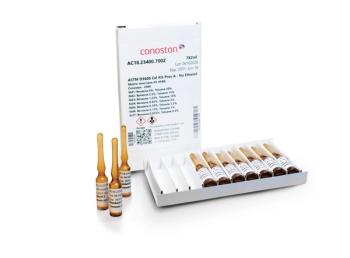
AnalytiChem launches CONOSTAN gas chromatography (GC) standards range covering full ASTM D3606 fuel testing workflow.

Gas chromatography shows DHA, not EPA, tied to brain volume in older women.
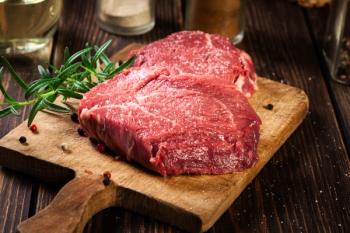
Gas chromatography-ion mobility spectrometry (GC-IMS) analysis shows supercooling best preserves beef flavor in shipping.

What five LCGC roundtables reveal about barriers, mentorship, and networking for women building careers in chromatography.

Ultrahigh-performance liquid chromatography quadrupole time-of-flight mass spectrometry (UHPLC–QTOF-MS) reveals urinary metabolite links between ADHD and pesticide exposure.

Measuring the small molecules that fuel cell metabolism, things like amino acids, sugar phosphates, and energy carriers, turns out to be trickier than it sounds. Victoria Pozo Garcia explains to LCGC International why hydrophilic interaction liquid chromatography (HILIC) tends to work better for these compounds than the more common reversed-phase method.

High-performance liquid chromatography (HPLC) and proton-transfer-reaction time-of-flight mass spectrometry (PTR-ToF-MS) data power AI-based grading of Baimudan white tea.
This week, Chromatography Online covered MALDI-MSI/LC-GC-MS tissue mapping, phthalate and microplastic screening, coastal pollutant analysis, vitamin D-sleep links, smartphone TLC drug detection, plus FDA 483 guidance and looks at HPLC2026 and the upcoming ISC2026 conferences.

Liquid chromatography-tandem mass spectrometry (LC-MS/MS) reveals PFAS migration into saliva from children's stuffed toys.
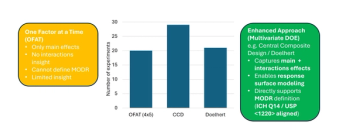
Analytical quality by design (AQbD) lifecycle series tackles risk-based methods

Liquid chromatography-tandem mass spectrometry (LC-MS/MS) ties seasonal vitamin D changes to sleep timing in women.
Ultrahigh-pressure liquid chromatography-tandem mass spectrometry (UPLC-MS/MS) study links rice pleiotropic developmental defects to tRNA modifications and organelle functions.

ISC 2026 in Prague (Sept 6–10) covers chromatography fundamentals, LC/GC/SFC, MS hyphenation, AI/ML, and omics applications, featuring three scientific tracks, industry program, and early-career researcher opportunities.
HPLC 2026 highlights: four talks on liquid chromatography (LC) troubleshooting and problem prevention.

Pyrolysis gas chromatography-mass spectrometry (Py-GC–MS) quantifies microplastic exposure risks in Korean playgrounds.

Verdel Instruments' Q-2DMS upgrade kit, developed with University of Warwick researchers, brings two-dimensional mass spectrometry to standard QTOF benchtops.

Gas chromatography-tandem mass spectrometry (GC-MS/MS) reveals organochlorine pesticide and polychlorinated biphenyl pollution levels in Greek coastal sediments.
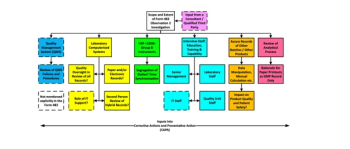
Is FDA getting tired of writing warning letters? A new draft guidance shows how companies should respond to Form 483 observations.

Smartphone thin-layer chromatography (TLC) catches tizanidine drug residue on pharmaceutical manufacturing equipment.
Gas chromatography (GC) reveals algae-fed chickens boost meat omega-3 without hurting growth.
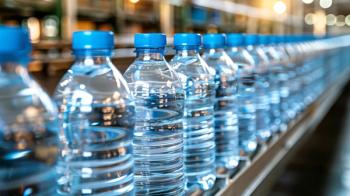
Researchers have developed an eco-friendly solid-phase microextraction- gas chromatography-mass spectrometry (SPME-GC/MS) method of detecting phthalates in bottled water.