
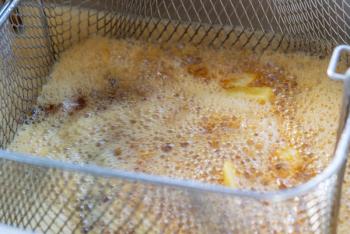
Gas chromatography (GC) shows ultrasound-treated pea starch reduces oil in fried corn starch foods.
Gas chromatography (GC) shows ultrasound-treated pea starch reduces oil in fried corn starch foods.

Daniel Vik from Amgen Research Copenhagen, Denmark discusses the motivation behind applying machine learning to chromatographic retention time prediction and its growing importance in modern pharmaceutical research. He shares insights into the challenges of developing robust predictive models, their role in supporting high-throughput drug discovery workflows, and the potential of artificial intelligence to make analytical chemistry more efficient and scalable.

Bryan Vining, David Megson, and Pasquale Avino examine why ultrashort-chain PFAS like TFA are reshaping analytical priorities.

Low-pressure gas chromatography-triple quadrupole mass spectrometry (GC-MS/MS) quantifies 37 volatile PFAS in food packaging in 8 minutes.
Melissa Dunkle, senior research scientist at Dow Benelux BV, The Netherlands, discusses the revival of interest in pyrolysis gas chromatography.

Jie Du of Cardinal Health discusses with LCGC International how switching from reversed-phase to hydrophilic interaction liquid chromatography (HILIC) can unmask a hidden excipient artifact mistaken for a true leachable.
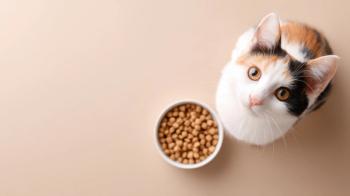
Liquid chromatography-tandem mass spectrometry (LC-MS/MS reveals antibiotics, PFAS, and toxic metals in cat kibble.

This week, Chromatography Online featured conversations from ASMS 2026 on untargeted MS/MS quantitation, RPLC-HRMS analysis of PLGA copolymers, and AI/ML predictions for non-targeted LC–ESI–HRMS workflows, alongside expert debate on harmonizing PFAS analytical methods and a sensor GC study examining whether water chasers affect alcohol metabolism.
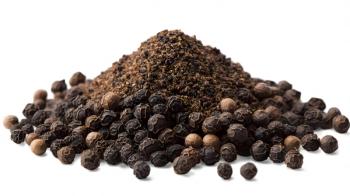
Atmospheric pressure matrix-assisted laser desorption/ionization mass spectrometry (AP-MALDI-MS screens black pepper for fraud with minimal preparation.
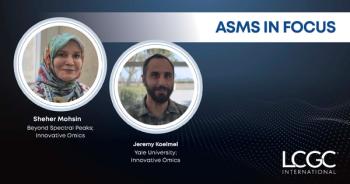
Sheher Mohsin and Jeremy Koemel explore where machine learning and predictive CCS could transform PFAS identification, and what's holding it back.
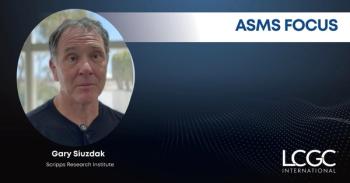
Siuzdak argues the field must correct AI-fueled “phantom metabolites” before trusting predictive models, favoring experimentally grounded measurement.

The panel weighs non-targeted screening against total PFAS measurement to catch the compounds routine targeted methods may miss entirely.
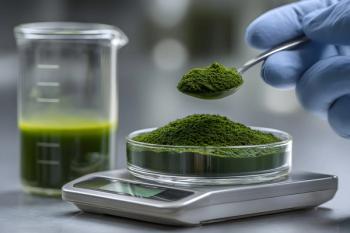
Various chromatography-spectrometry techniques map lipids to isolate omega-3s from algae.
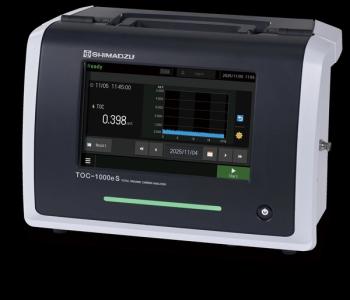
Shimadzu's new TOC-1000e S continuously monitors ultrapure water for chip and precision manufacturing.

Gas chromatography-mass spectrometry (GC-MS) identifies compounds in essential oils that fight cucumber mildew.
Sheher Mohsin and Jeremy Koemel identify the biggest bottlenecks in non-targeted PFAS workflows, from CCS libraries to human review.

The panelists debate how to harmonize PFAS methods across a rapidly expanding, poorly standardized universe of compounds.

Lapo Renai from the Van 't Hoff Institute for Molecular Sciences, The Netherlands discusses a novel prediction model for estimating chemical space coverage for non-targeted LC–ESI–HRMS workflows.
With 960,000 empirically acquired standards, Siuzdak shows how METLIN delivers reliable, cross-instrument IDs and reveals fragmentation artifacts.

Sensor gas chromatography (GC) determines whether water chasers change alcohol metabolism.

Headspace-gas chromatography-ion mobility spectrometry (HS-GC-IMS) tracks how baking temperature shapes low-protein cookie flavor.
Sheher Mohsin and Jeremy Koemel walk through a real CCS Atlas example showing how homologous series confirm unknown PFAS identifications.
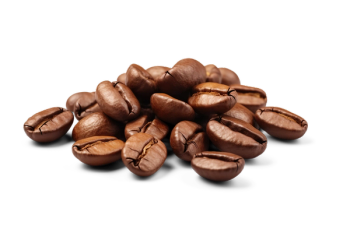
Monolithic material sorptive extraction coupled with gas chromatography-mass spectrometry (MMSE-GC-MS) identifies 42 aroma compounds in defective coffee beans.

High-performance liquid chromatography with electrochemical detection (HPLC-ED) finds elevated norepinephrine levels in oral cancer patients.
Jeremy Koemel discusses detecting low-intensity PFAS features when MS/MS signal is too weak, and how they work around it.
As metabolomics datasets balloon, Siuzdak explains using retention time and in-source fragmentation checks to separate real molecules from artifacts.
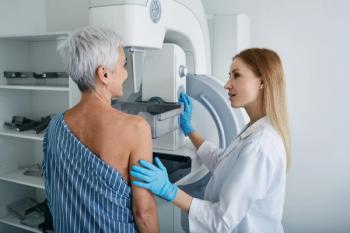
Liquid chromatography-mass spectrometry (LC-MS) profiling links blood biomarkers to cardiotoxicity.
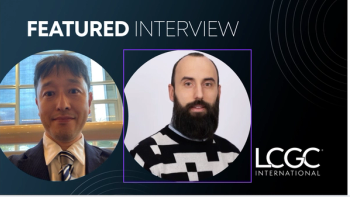
Masashi Serizawa and Andrea Gargano, researchers at the Van ‘t Hoff Institute for Molecular Sciences (HIMS, University of Amsterdam) sit down with LCGC International to discuss how reversed-phase liquid chromatography and high-resolution mass spectrometry (RPLC-HRMS) analysis of degraded PLGA oligomers reveals block-length differences behind solubility variation in copolymers.
Sheher Mohsin explains how CCS measurements add a physical confirmation layer beyond mass and retention time in PFAS analysis.