

A low-cost strip rivals laboratory-grade chromatography for checking sleep supplements.
A low-cost strip rivals laboratory-grade chromatography for checking sleep supplements.

Headspace solid-phase microextraction/gas chromatography-mass spectrometry (HS-SPME/GC-MS) reveals how ultrasound and fermentation reshape Robusta coffee aroma.

Erin Chambers reflects on two leadership philosophies and a personal mantra that have shaped her approach to leading teams.

At ISC 2026, a tailored C4 stationary phase resolved over 30 of 64 possible siRNA diastereomers, aiding characterization of oligonucleotide conjugates.
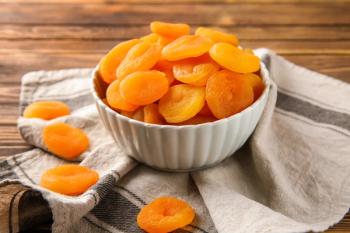
Headspace solid-phase microextraction-gas chromatography-mass spectrometry (HS-SPME-GC-MS) and gas chromatography-ion mobility spectrometry (GC-IMS) uncover how drying methods alter apricot flavor compounds.
At ISC 2026, a 20-minute IP-RPLC–UV assay distinguished mRNA capping variants without mass spectrometry, matching a UHPLC–MS reference method.
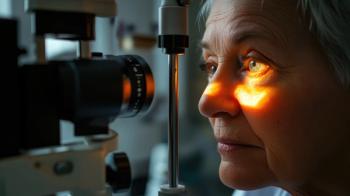
Liquid chromatography-tandem mass spectrometry (LC-MS/MS) reveals proteomic effects of a sustained-release age-related macular degeneration (AMD) eye treatment.

At ISC 2026, separation science advances included a MEMS gas chromatography column for space missions that raised measured efficiency by up to 74%

Untargeted liquid chromatography–mass spectrometry (LC–MS) lipidomics identifies blood fat biomarkers linked to diabetic nerve damage.
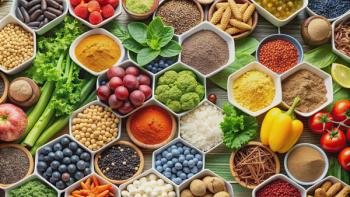
At ISC 2026, food and natural matrix research showed shea kernel processing history shapes chemistry more than geographic origin, aiding quality control.

Solvent-assisted flavor evaporation coupled with gas chromatography-mass spectrometry (SAFE-GC-MS) and multi-omics reveal chromatography-based insights into grilled lamb flavor chemistry.
Erin Chambers shares her near-term and long-term view of how artificial intelligence will shape the chromatography community.

UHPLC–MS/MS and GC×GC methods are cutting food-safety testing times while quantifying hundreds of mycotoxins and mineral oil hydrocarbons at once.

Liquid chromatography/multiple reaction monitoring (LC/MRM) assays quantify endocannabinoid shifts behind the marathon runner's high.

Mireia Roig-Paul and Jennifer Field of Oregon State University discuss with LCGC International how liquid chromatography-quadrupole time-of-flight mass spectrometry (LC-QTOF) and 19F nuclear magnetic resonance (NMR) reveal how PFAS partition between light nonaqueous phase liquid (LNAPL) and groundwater.
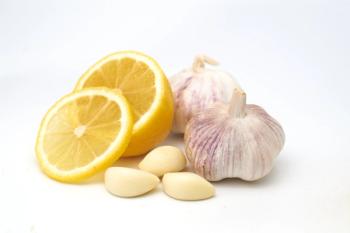
Gas chromatography-mass spectrometry (GC-MS) analysis shows nanoemulsified garlic oil boosts antioxidant activity.
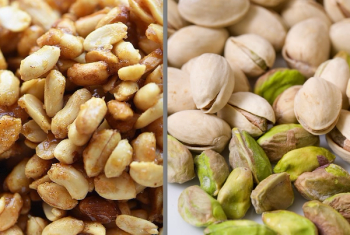
High-performance liquid chromatography with a fluorescence detector (HPLC-FLD) screening paired with near-infrared hyperspectral imaging (NIR-HIS) imaging detects aflatoxin and OTA in nuts.

This week, Chromatography Online spanned a direct plutonium isotope MS method, nanoplastics detection in drinking water, GC-MS data analysis and sustainability insights, a case for column chemistry as chromatography's key differentiator, and product news from GERSTEL and Metrohm USA.
Erin Chambers connects trustworthy data to scientific confidence and describes how Waters builds regulatory readiness into development.

A two-dimensional gas chromatography-time-of-flight mass spectrometry method detects legacy pesticides and PCBs below guideline levels.

Ultra-high-performance liquid chromatography was coupled with high-resolution mass spectrometry (UHPLC-HRMS) to identify compounds of a traditional Chinese herbal remedy in a brain linked to antidepressant effects.

Liquid chromatography-mass spectrometry (LC-MS) measures gut fatty acids in blueberry study on older-adult mood.

The nomination deadline for the 2027 EAS Chemometrics Award, which recognizes significant and lasting contributions to chemometrics, has been extended to September 15, 2026.

Heart-cut gas chromatography links volatile organic compound (VOC) shifts to bacterial spoilage in meatballs.
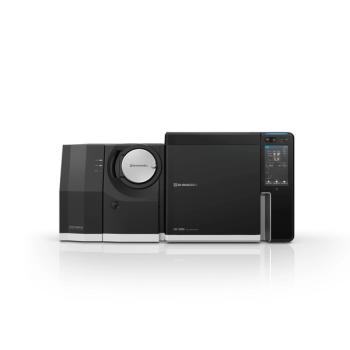
Shimadzu’s new triple quadrupole gas chromatography-tandem mass spectrometry (GC-MS/MS) platform adds hydrogen and nitrogen carrier gas support alongside flexible injection and automated method tools.

Liquid chromatography-mass spectrometry (LC-MS) quantifies 5-OP, linking oxidative stress to heart failure outcomes.

A new study revealed Australian drinking water contained 0.3–0.7 μg/L nanoplastics and 0.5–1.5 μg/L microplastics. Polypropylene nanoplastics were identified, with 10⁶–10⁷ particles/mL in tap water.

The 21st GC×GC Symposium in Riva del Garda shows two-dimensional gas chromatography (GC×GC) has matured into a robust, widely applied analytical technique.
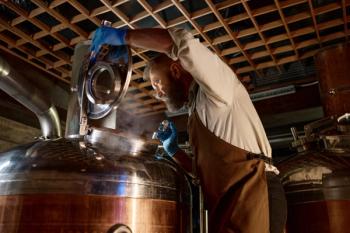
Preprocessing choices reshape principal component analysis outcomes in gas chromatography-mass spectrometry datasets.
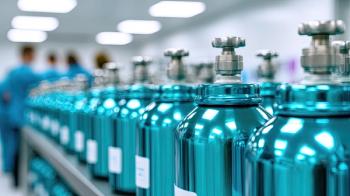
A life cycle assessment finds that gas chromatography's environmental impact hinges on method time and power.