



A recent study examined using high performance liquid chromatography coupled to mass spectrometry (HPLC–MS/MS) to optimize this key class of drugs that are used for the treatment of the common cold and flu.
A recent study examined using high performance liquid chromatography coupled to mass spectrometry (HPLC–MS/MS) to optimize this key class of drugs that are used for the treatment of the common cold and flu.

A look at what’s in store for chromatographers who attend HPLC 2024 in Denver, Colorado, USA from 20–25 July 2024.

A recent study examined using high performance liquid chromatography (HPLC) with inductively coupled plasma–tandem mass spectrometry (ICP-MS) to detect ethylene-thiourea (ETU) and propylene-thiourea (PTU) in fruits and vegetables.

At Pittcon 2024, LCGC International editor Patrick Lavery sat down with Martina Catani of the University of Ferrara to talk about the work her laboratory group is conducting.

The concept of gradient delay volume (GDV) in liquid chromatography (LC) poses challenges for both beginners and experienced practitioners. The GDV, which affects the arrival time of mobile phase composition changes at the column inlet, can have a significant impact on method throughput, influencing the time required for mobile phase changes at both the beginning and end of the LC method. Different pump designs and column characteristics affect efficient use of the available analysis time, as well as overall throughput. Notably, achieving repeatable equilibration, rather than full equilibration of LC columns following mobile phase gradients, is often sufficient for many LC applications, which can also be leveraged to increase method throughput.

This article describes a liquid chromatography–tandem mass spectrometry (LC–MS/MS) method for the analysis of coumarin in various tobacco matrices and electronic cigarette (E-cig) liquids, and highlights the importance of evaluating different MS/MS transitions of an analyte in complex sample matrices to overcome matrix effects. Matrix interfering components were separated from analyte using a C18 ultrahigh-pressure liquid chromatography (UHPLC) column with a larger inner diameter (3.0 mm, or 4.6 mm). Matrix suppressions on analyte responses were corrected by isotope dilution. Four different MS/MS transitions of coumarin were studied in each sample matrix to select a suitable MS/MS transition for analyte quantification based on matrix effects on each MS/MS transition. The method was validated using different tobacco matrices and E-cig liquids.

Scientists from Murcia, Spain recently created a new method for mycotoxin screening in human tissues using dispersive liquid–liquid microextraction and liquid chromatography–mass spectrometry.

On February 25, a Pittcon oral session, titled “Detection of PFAS and other Polyfluorinated Analytes,” took place at the San Diego Convention Center in San Diego, California. This session included six talks that covered a variety of analytical techniques currently being used in per- and polyfluoralkyl (PFAS) analysis.

Chromatographic techniques such as supercritical fluid chromatography and high-performance liquid chromatography was used to conduct chiral separation for metconazole, which is used as a fungicide to treat wheat diseases.

High performance anion-exchange chromatography coupled with pulsed amperometric detection (HPAEC-PAD) is a potential method of choice for the analysis of carbohydrates.

In this installment, I illustrate the impact of different gradient delay volumes when transferring a method between instruments and discuss some strategies that can be used to mitigate these challenges.

A simple analytical method using high performance liquid chromatography (HPLC) with ultraviolet (UV) detection was developed for the simultaneous determination of four main lignans (niranthin, nirtetralin B, hypophyllanthin, and phyltetralin) in Phyllanthus niruri L. plant samples from Guangxi province.

High performance liquid chromatography (HPLC) was paired with both diode array and fluorescence detection (DAD and FLD, respectively) to measure Edam cheese for its total and acid-soluble whey content.

This study of the perennial herb also known as madimak (or Indian knotgrass) aimed to simultaneously determine phenolic compounds to gain more insights into their antioxidant or antimicrobial capabilities.

A recent study from the Shangdong Academy of Chinese Medicine examined chicory using a novel UHPLC–HRMS technique and rats as the test subject.

Herbert Knauer founded his namesake laboratory equipment company with his wife Roswitha in Berlin in 1962.

Researchers from Italy, Spain, and Turkey employed online high performance liquid chromatography (HPLC) to analyze various extracts of Leonurus cardiaca, revealing potent antioxidant properties and promising antibiofilm activity.
LCGC and Spectroscopy Editor Patrick Lavery spoke with Oligo Factory CEO Chris Boggess about the company’s recently attained compliance with Good Manufacturing Practice (GMP) International Conference on Harmonisation of Technical Requirements for Registration of Pharmaceuticals for Human Use (ICH) Expert Working Group (Q7) guidance and its distinction from Research Use Only (RUO) and International Organization for Standardization (ISO) 13485 designations.
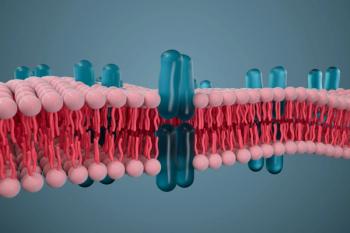
Scientists in Xi’an, China have created a novel system for the analysis of cell membranes, based around haloalkane dehalogenase protein tag (HALO)-tag technology. Their research was published in Talanta.

This experiment introduced a deep eutectic solvent developed in conjunction with a pH-induced phase transition combined with high performance liquid chromatography (HPLC) for efficient trace determination of bisphenol A (BPA) in water samples.

In this LCGC Blog, the author explores stationary phases that incorporate permanent or induced charges within, or alongside, hydrophobic alkyl silica type bonded ligands.

Scientists from Hunan University of Chinese Medicine and Zhengzhou University in Zhengzhou, China recently created a new system for extracting catecholamines (CAs) in urine samples.
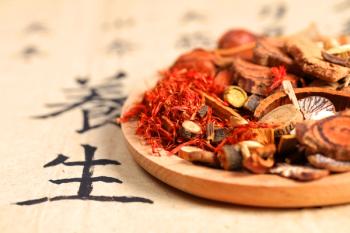
The research conducted by Jing Dong and team unveils a pioneering approach that not only unravels the complexities of Valeriana jatamansi, but also showcases the potential of advanced analytical techniques in comprehensively studying natural compounds.
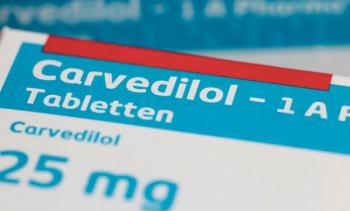
This research introduces a novel chromatographic method for the simultaneous determination of bisoprolol fumarate, carvedilol, and furosemide in both their pure and pharmaceutical dosage forms, offering a cost-effective, time-saving solution for routine drug quality control analysis.

In a recent study out of the University of Gdańsk, immobilized artificial membrane chromatography (IAM) was tested for its ability to evaluate small molecular behavior in the human body.