



The 51st International Symposium on High Performance Liquid Phase Separations and Related Techniques (HPLC 2023) will be held at the Conference Center Düsseldorf (CCD) in Germany, from 18–22 June 2023.
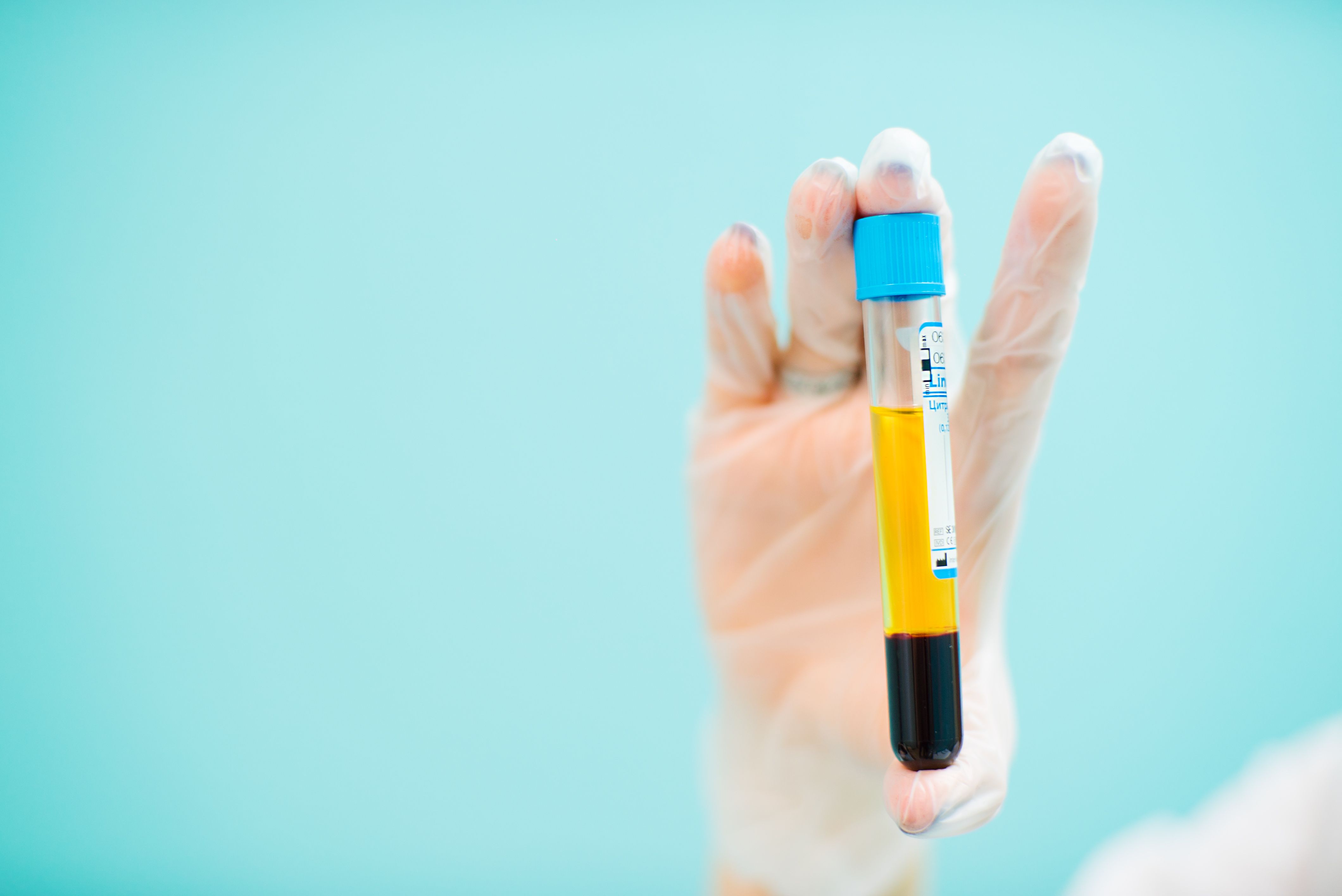

Advancing Herbal Medicine Analysis: A Revolutionary System for Screening and Purifying Active Ingredients
Analysis of Sialic Acid Linkage in N-Linked Glycopeptides Using Liquid Chromatography–Electron-Activated Dissociation Time-of-Flight Mass Spectrometry
The 51st International Symposium on High Performance Liquid Phase Separations and Related Techniques (HPLC 2023) will be held at the Conference Center Düsseldorf (CCD) in Germany, from 18–22 June 2023.
A newly proposed concept in liquid chromatography (LC) positions spherical particles, either individually or stacked, in pockets forming microgrooves that act as perfectly aligned chromatographic columns.

A new study has identified potential quality-markers for Eucommiae Folium (Duzhongye), a traditional Chinese medicine, using UHPLC–MS/MS analysis, and has recommended isoquercitrin as a new quality-marker candidate.

Trace amounts of polychlorinated biphenyls (PCBs) in a river and lake in China were detected using a custom coating for stir bar sorptive extraction (SBSE) followed by high performance liquid chromatography with diode array detection (HPLC-DAD).

The reliability of column chromatography for GC–MS analysis of hopanes was tested in oil samples of three different types, using neutral alumina as a solid-phase adsorbent and a Pasteur pipette as a separation device.

Researchers have developed a new approach to extract chloramphenicol (CAP) from milk and chicken samples using magnetic nanofluid-based deep eutectic solvents (DES), which was combined with high performance liquid chromatography-ultraviolet (HPLC-UV) analysis. The method was found to be low-cost, green, efficient, and effective in detecting even trace amounts of CAP.

Scientists have developed a magnetic ionic liquid hypercrosslinked polymer composite for use in magnetic solid-phase extraction (MSPE) of non-steroidal anti-inflammatory drugs (NSAIDs), which was coupled with high-performance liquid chromatography (HPLC) for the detection of trace amounts of NSAIDs in water and urine samples.

This article compares the performance of wide-pore silica monolithic, sub-2µm FPP, and SPP columns, addresses the question of whether 1000 Å or 400 Å SPP columns are more suitable for reversed-phase LC-type protein separations, and presents a kinetic performance comparison of different columns.

A micro-pillar array format for mapping the proteome of human stem cell-derived liver organoids using timsTOF–MS is presented.

This article highlights an advantage of porous graphitic carbon columns, that is their resistance at high temperatures, for the analysis of parabens in foodstuffs.

Researchers have developed a new method for detecting pyrethroid pesticide residues in tobacco using Schiff base networks (SNWs) coated stir bar sorptive extraction (SBSE) coupled with high performance liquid chromatography-ultraviolet detection (HPLC-UV), which exhibited high extraction efficiency and good mechanical stability even when reused more than 50 times.

High performance liquid chromatography–mass spectrometry and gas chromatography–mass spectrometry, along with numerous extraction methods, are helping to find organosulfur compounds in food more easily, providing researchers better information about the health benefits of these substances.

What are the options available when adjusting selectivity (peak spacing or elution pattern) when dealing with relatively simple mixtures?
Exploring the impact of green chemistry on analytical chemistry and GC is the focus of this instalment of "GC Connections".

The combination of an untargeted approach using ultrahigh pressure liquid chromatography–quadrupole time-of-flight mass spectrometry (UHPLC–QTOF) and a targeted approach using UHPLC–tandem mass spectrometry (MS/MS) are presented as an ideal method for detecting per- and polyfluroalkyl substances (PFAS) in fast-food packaging.
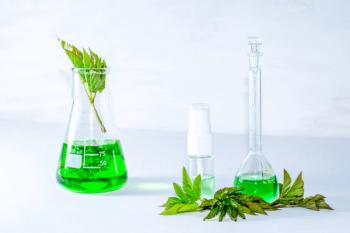
Everyone is talking about sustainability, and organizations are creating sustainability programs. But what does green chemistry really mean, and how does it apply to gas chromatography?

Researchers have shown the effectiveness of ion chromatography (IC) in identifying markers of forest fire emissions in rainfall samples, providing valuable insights into the signature of forest fire emissions and aiding in the development of models to predict and control air pollution resulting from these events.

Researchers at Xuzhou Medical University have developed a new type of chiral stationary phase (CSP) for HPLC that can be used under normal-phase, reversed-phase, and polar organic mobile phase conditions.

A new approach combining high performance liquid chromatography–mass spectrometry with ultrafiltration, along with enzyme channel blocking and directional enrichment, has been found effective for screening natural histidine decarboxylase inhibitors in Radix Paeoniae alba, while reducing both false-positive and false-negative results.
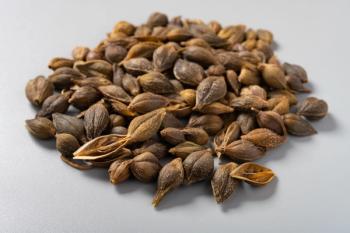
A supramolecular solvent-based dispersive liquid–liquid microextraction method was discovered that can potentially serve as a better alternative when analyzing lignans in medicinal plants.

A recent study shows how 2D-LC–MS can provide expanded analytical coverage of cosmetics-prohibited substances.

The variables that are most important for improving the separation of complex samples are quite different from those for simpler samples. Considering these differences can save time and resources.

An examination of the new high performance liquid chromatography (HPLC), mass spectrometry (MS), chromatography data systems (CDS), and related products that were introduced over the last year.

Serial coupling of different column types can provide several important benefits to the chromatographer, including fine-tuning selectivity to separate complex mixtures.

The current challenges and future perspectives of the purification of cannabinoids from cannabis extracts are presented in this review article.