
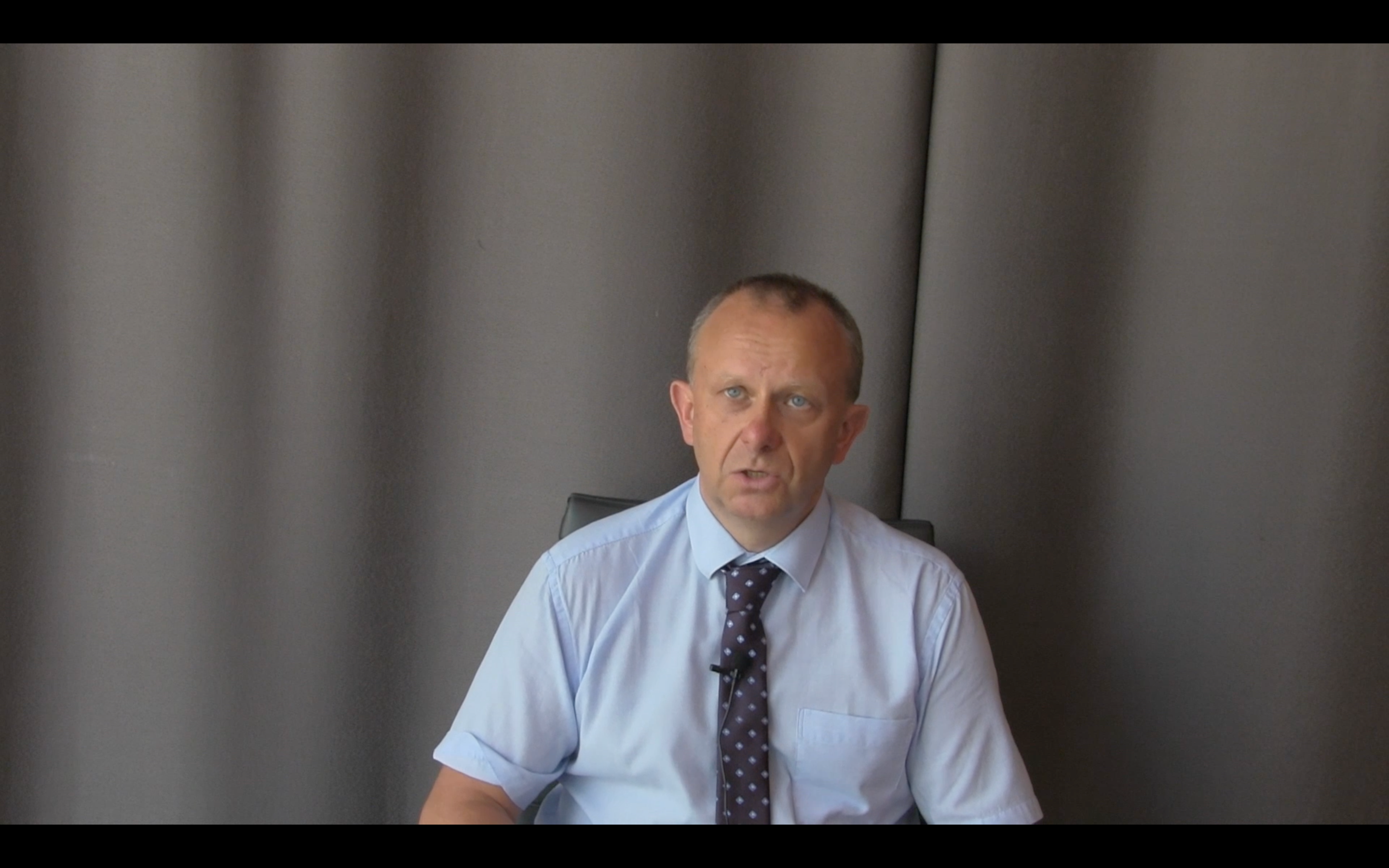
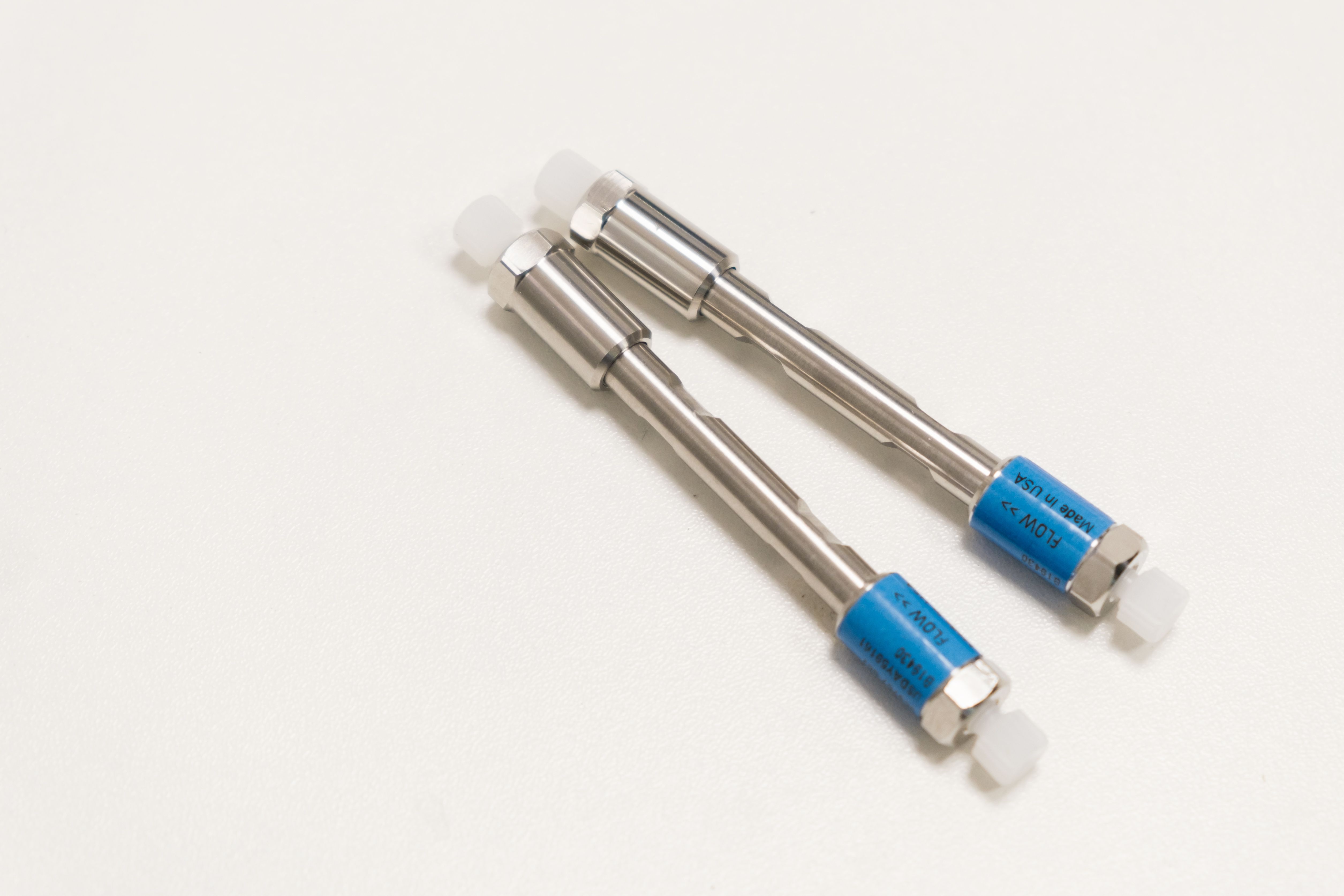
Davy Guillarme of the University of Geneva said in a talk at HPLC 2023 that short columns have shown promise, but ultrahigh-performance liquid chromatography (UHPLC) instrumentation is not yet optimized to realize their benefits.
Davy Guillarme of the University of Geneva said in a talk at HPLC 2023 that short columns have shown promise, but ultrahigh-performance liquid chromatography (UHPLC) instrumentation is not yet optimized to realize their benefits.

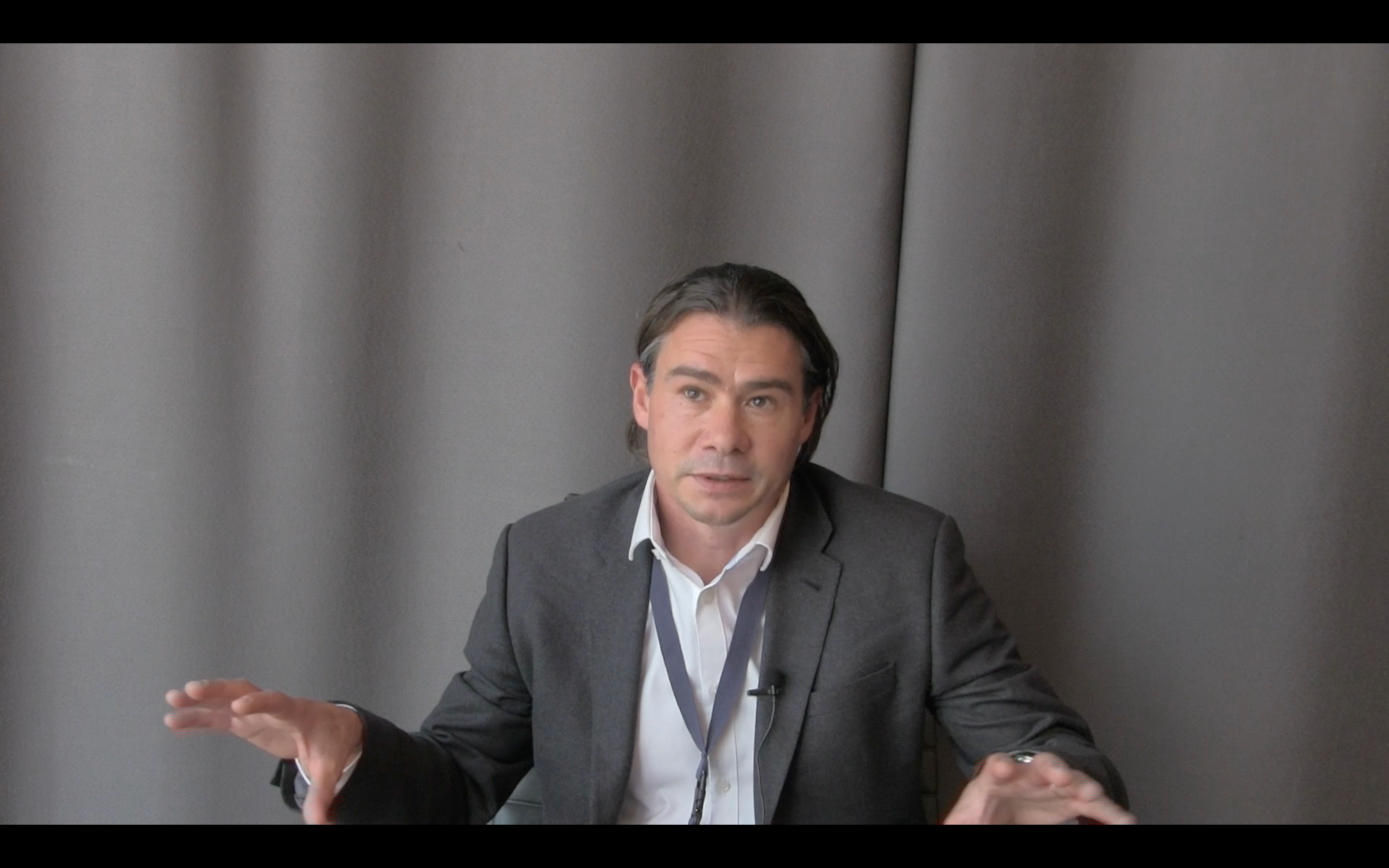
Research by Takuya Kubo and Koji Otsuka presented at HPLC 2023 promoted unique liquid chromatography (LC) separation using specific interaction.

A talk by Alberto Cavazzini of the University of Ferrara at HPLC 2023 focused on various types of chiral stationary phases (CSP) in efforts to improve efficiency.

At HPLC 2023, Valerie Gabelica of the Institut Européen de Chimie et Biologie said much is still unknown about this approach to mass spectrometry.

Peter Schoenmakers of the University of Amsterdam presented a talk at HPLC 2023 on multidimensional liquid chromatography (LC).

At HPLC 2023, LCGC spoke with Kevin Pagel of Freie Universität in Berlin, Germany. These clips comprise one of several HPLC interviews that were conducted at the conference.

At HPLC 2023, LCGC spoke with Peter Schoenmakers of the University of Amsterdam. These clips comprise one of several HPLC interviews that were conducted at the conference.
At HPLC 2023, LCGC spoke with Gérard Hopfgartner of the University of Geneva. This clip contains one of several HPLC interviews that were conducted at the conference.

At HPLC 2023, LCGC spoke with Oliver Fiehn of the University of California, Davis. This clip contains one of several HPLC interviews that were conducted at the conference.

Award presentations and plenary lectures were some of the attractions as the annual conference got underway on Sunday.

At HPLC 2023, Oliver Fiehn of the University of California explained results gathered from a device that can be used during daily digestion.

In a session on omics at HPLC 2023, Robert T. Kennedy of the University of Michigan revealed how scientists are taking advantage of new developments and cutting down on analysis time.

At HPLC 2023, Kelly Zhang gave a lecture on how machine learning can help further our understanding of the characterization of lipid nanoparticles.

At HPLC 2023, Matthias Pursch presented his findings on using UHPLC and SEC to monitor small molecule and polymer reactions in real time.

Fresh garlic and aged garlic, both brown and black, were all analyzed for their bioactives, in an attempt to expand those compounds’ applications as food ingredients and dietary supplements.
New method enables comprehensive analysis of secondary formation markers in ambient organic aerosols, providing valuable insights into atmospheric pollutants using HPLC–ESI-TOF-MS.

Samples of honey, chicken breast, and environmental water were analyzed for residue of nitroimidazoles, which are common antibiotics but can have detrimental effects on humans.

This article explores what this transition to newer technology looks like, with an example applied to determining organic impurities of pramipexole dihydrochloride.

Several factors strongly influence separation speed, including the pressure available to drive the separation, column temperature, particle size, and column length. Developing efficient methods to improve speed while not sacrificing accuracy require an understanding of the abovementioned variables and analysis time.

Nonspecific adsorption leads to poor peak shapes and poor performance from HPLC systems, but coating-enabling technologies can serve as a potential solution. We explain how.

What you need to know about pharmaceutical regulations as an analytical chemist is provided here, including an explanation about how working in a Good Manufacturing Practice (GMP) environment can yield positive results.

Are analytical chemists really operating sustainable laboratories, or are they being too quick in marketing their “green” laboratory credentials?

This study suggests a 2D-LC screening method to evaluate peak purity and ensure specificity in pharmaceutical analysis, thereby promoting the safe production of medicines by detecting active pharmaceutical ingredients (API) and related substances.
Nonspecific adsorption leads to poor peak shapes and poor performance from HPLC systems, but coating-enabling technologies can serve as a potential solution. We explain how.

Superficially porous particle (SPP) column technology is leveraged to optimize high-throughput HPLC methods for small-molecule drug discovery, resulting in improved efficiency and reduced runtime.