


Understanding the relationship between a number of variables and analysis time, and their effects on other choices made during method development, is helpful for developing methods that are both effective and time-efficient.
Understanding the relationship between a number of variables and analysis time, and their effects on other choices made during method development, is helpful for developing methods that are both effective and time-efficient.

The authors developed a new analytical HPLC method using a silica hydride-based column to analyze mushrooms.

This instalment of “Column Watch” presents many of the highlighted topics and trends observed at this exceptionally well-run symposium.

The latest developments and challenges of using liquid chromatography (LC) for copolymer analysis are discussed.
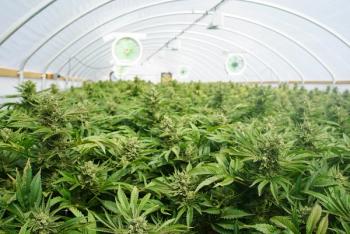
Orange Photonics said the agency will use its LightLab 3 as part of a broader effort to regulate and test the safety of food-related cannabis products.

Studies published over the last five years have focused on fully or semi-automated approaches and their applications in extraction of both organic and inorganic pollutants, while modern robotic tools and 3D printing are starting to make impacts.

HRPs, while vital to creating drugs meant to fight serious diseases, are very difficult to quantify. To streamline the process, a group of scientists used a new approach for analyzing HRPs using MSPE and HPLC-UV.

We present two cases where understanding the specific interactions between particular analyte functional groups and LC instruments and columns is critical for successful separations.

An overview of different approaches for the qualitative and quantitative analysis of polysorbates.
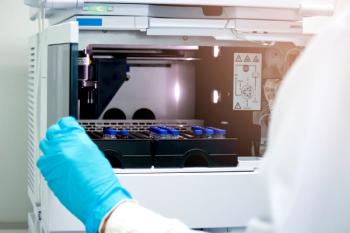
A new report from Meticulous Research attributes the growth to the development of antibody-based therapeutics and biosimilars.

A research team has developed a new method for the online measurement of tetraethyllead (TEL) in aqueous samples. The approach utilizes magnetism-enhanced in-tube solid phase microextraction (ME/IT-SPME) coupled with high performance liquid chromatography (HPLC) and diode array detection (DAD).
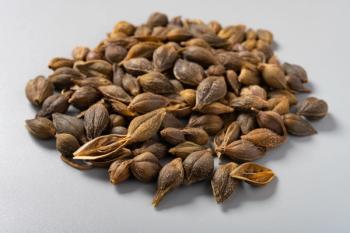
Forsythiae fructus is a traditional Chinese medicinal herb that has been used to treat various ailments such as inflammation, fever, and infections.

LCGC was on the ground at HPLC 2023.

How to modernize an older pharmaceutical monograph from an HPLC column to an UHPLC column, along with calculated time and solvent savings.

Researchers have utilized computational fluid dynamics (CFD) simulations to optimize the design of membrane chromatography devices, enhancing fluid flow uniformity and separation efficiency.

A separation science team has developed a green and cost-effective method, called feather fiber-supported liquid extraction (FF-SLE), for determining synthetic antioxidants in edible oils.

Researchers have introduced a novel primary method utilizing gas chromatography–isotope dilution infrared spectrometry (GC–IDIR) for accurate peptide purity analysis.

Researchers have developed a robust method utilizing high-performance liquid chromatography–tandem mass spectrometry (HPLC–MS/MS) to accurately quantify amino acids in plasma, making it a valuable tool for clinical diagnostics and research in amino acid metabolism.

Enhancements in chromatographic performance were reviewed as were experimental concerns, both pointing toward using specific solvents to influence more sustainable industrial development.

The team of researchers found that components with the same retention time can have different migration patterns, and discussed the different scenarios for decreasing column pressure resistance.

At HPLC 2023, LCGC spoke with John Langley of the University of Southampton in the UK. These clips comprise one of several HPLC interviews that were conducted at the conference.

At HPLC 2023, LCGC spoke with Andrea Gargano of the Van 't Hoff Institute for Molecular Science at the University of Amsterdam in The Netherlands. These clips comprise one of several HPLC interviews that were conducted at the conference.

At HPLC 2023, LCGC spoke with Wim De Malsche of Vrjie Universiteit Brussel in Brussels, Belgium. These clips comprise one of several HPLC interviews that were conducted at the conference.
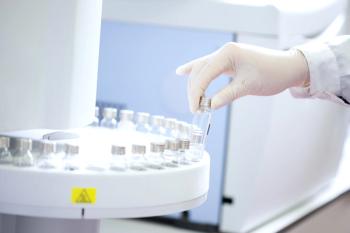
Researchers have developed a novel algorithm that combines multivariate curve resolution-alternating least-square (MCR-ALS) and Bayesian inference techniques to estimate confidence intervals for the quantitation of coeluted peaks in liquid chromatography-photodiode array detection.

At HPLC 2023, Brett Paull of the University of Tasmania in Australia explained how pulsed deep ultraviolet light-emitting diodes (DUV-LED) may open up new and cost-effective avenues in liquid chromatography (LC) analysis.