



At HPLC 2023, Hyukju Kwon hosted a lecture on the roles LC–MS and artificial intelligence can have in autonomous material discovery.

New research using matrix-assisted laser desorption ionization-mass spectrometry imaging (MALDI-MSI) has revealed the distinct distributions of acetaminophen and its metabolite in the kidneys at an unprecedented resolution of 10 μm. The study, conducted by Mitsutoshi Setou and his team from Hamamatsu University School of Medicine in Japan, provides valuable insights into drug distribution and metabolism, enhancing our understanding of the pharmacokinetics and potential nephrotoxicity of acetaminophen.
At HPLC 2023, Hyukju Kwon hosted a lecture on the roles LC–MS and artificial intelligence can have in autonomous material discovery.

Researchers have discovered diacylglycerols as potent biomarkers for the rapid diagnosis of breast cancer, using mass spectrometry imaging. This breakthrough study offers new possibilities for improved intraoperative assessment and personalized treatment strategies.

Scientists have developed a breakthrough MDLC–MS method for in-depth characterization of charge variants in therapeutic antibodies. The innovative approach enables the detection and evaluation of rare charge variants, facilitating improved safety and efficacy in antibody development.

New research emphasize the importance of identifying metabolite interference in LC–MS targeted metabolomics analysis to ensure accurate results. The study highlights the need for thorough investigation and resolution of metabolite interferences for reliable metabolite measurement in targeted metabolomics.

A simultaneous, single-run analysis was sought for metabolites of the central carbon metabolism pathway, which is closely related to the occurrence and development of most diseases in humans.
New method enables comprehensive analysis of secondary formation markers in ambient organic aerosols, providing valuable insights into atmospheric pollutants using HPLC–ESI-TOF-MS.

Overcoming the challenges of food and beverage analysis with ion chromatography (IC).

Agilent and Metrohm join forces, and Waters Corporation completes acquisition of Wyatt Technology.

Applying headspace-SIFT-MS to untargeted screening of food products and ingredients.

Recombinant adeno-associated viruses (rAAV) have been the subject of much scientific investigation as their use in gene therapy enters the mainstream.
A novel analytical method combines charge inversion ion-ion reactions with ion mobility–mass spectrometry to enhance the separation and characterization of oligosaccharides.

Automation and high-throughput MALDI mass spectrometry revolutionize peptide metabolic stability screening, allowing for rapid analysis of a large number of samples and minimizing solvent waste.

A research team has developed a novel method for assessing the volatility of individual components in complex organic aerosol mixtures using temperature-programmed desorption and high resolution mass spectrometry, offering insights into atmospheric pollutants.

Researchers have developed a novel liquid chromatography–mass spectrometry method for analyzing sialic acid linkage in N-linked glycopeptides, offering insights into glycosylation patterns.

A new methodology for trapping polycyclic aromatic hydrocarbons from vehicular emissions using an in-tube extraction device (IT-FEx) and analyzing them through gas chromatography-barrier ionization discharge detection (GC-BID) has been developed and tested successfully, according to a study published in the Journal of Chromatography A.

What parameters can influence an siRNA separation?

A new published study introduces a simple and fast way to differentiate between animal species based on their hair. The in-sample digestion method coupled with mass spectrometry analysis was successfully tested on multiple species.

A new study has identified potential quality-markers for Eucommiae Folium (Duzhongye), a traditional Chinese medicine, using UHPLC–MS/MS analysis, and has recommended isoquercitrin as a new quality-marker candidate.

A new approach for identifying isomeric and isobaric metabolites has been developed using liquid chromatography (LC) with high-resolution ion mobility spectrometry (IMS) and cryogenic infrared (IR) spectroscopy, allowing for faster, more accurate, and cost-effective metabolomics workflows.

A new study analyzed the trophic niches and niche overlap between native and introduced cyprinid fishes in Karacaören I reservoir using IRMS.

Researchers have shown the effectiveness of ion chromatography (IC) in identifying markers of forest fire emissions in rainfall samples, providing valuable insights into the signature of forest fire emissions and aiding in the development of models to predict and control air pollution resulting from these events.

Recent advancements in electrospray ionization mass spectrometry (ESI-MS) for single-cell proteomics are highlighted in a review article, including various separation techniques and MS instrumentation used to improve sample throughput and coverage.

New article reviews the progress in suppression techniques for ion chromatography from 1981 to 2022, with an emphasis on the last ten years, and discusses the current challenges and future prospects regarding suppressors.
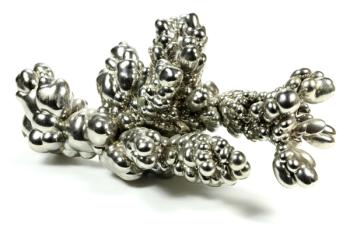
A new study evaluated the use of HILIC for fast aqueous species distribution analysis of Nickel(II)-Histidine complex, finding that HILIC is appropriate for investigating coordination metal complexes.

A desorption electrospray ionization mass spectrometry (DESI-MS) method has been developed to effectively analyze historical synthetic dye samples.