



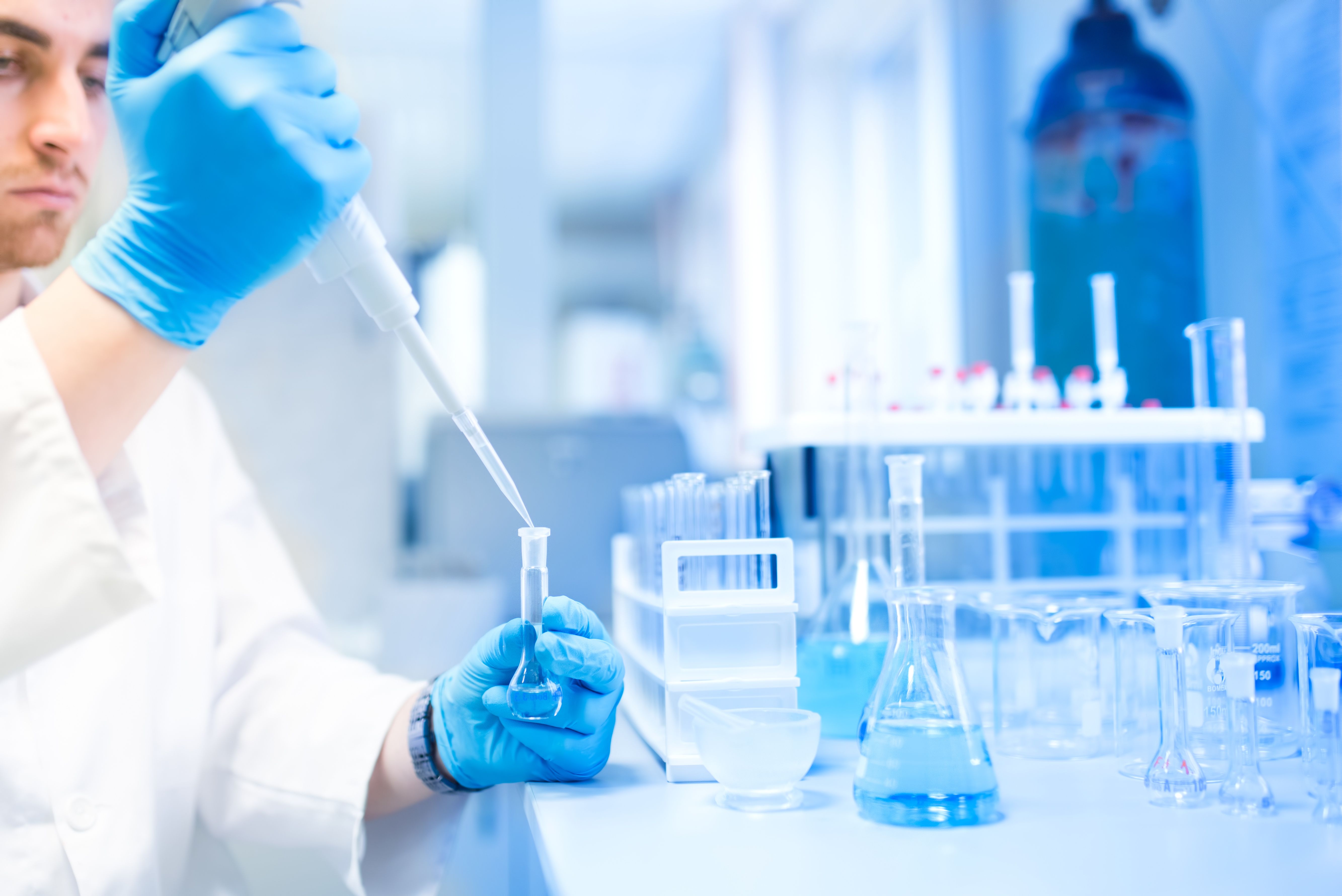

Scientists recently used continuous electrospray ionization mass spectrometry to study what makes the inland taipei snake venom so dangerous.

Scientists recently used continuous electrospray ionization mass spectrometry to study what makes the inland taipei snake venom so dangerous.

Using liquid chromatography-tandem mass spectrometry, scientists have found a similarity between the protective functions of the oral permeability barrier and the skin barrier.

A new study that uses native top-down fragmentation and isotope depletion-mass spectrometry contributes to the growing body of research on αSyn and its association with Parkinson’s disease.
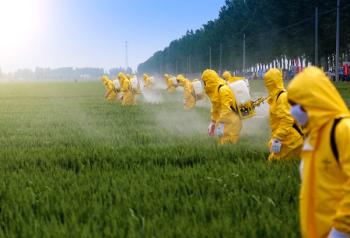
While pesticides may be beneficial, they may also cause health risks in foods. In a recent study, scientists created new methods for detecting maximum pesticide residue levels.

Dipeptide profiles have an important role in detecting disease, and a recent study has made it much more accessible to study them.
A new differential ion mobility spectrometry device has been created that will greatly change how chemicals and substances are found and analyzed.
A recent study highlights the challenges and triumphs scientists studying charge determination mass spectrometry faced in the mid-1990s.

The study demonstrated the correspondence between particle mass and specific quadrupole potentials in this device. This allows for the preparation of charged ice particle beams with selected narrow mass and kinetic energy distributions.

By improving fluorescent labeling, scientists can find new ways to help treat and prevent influenza.

Solid-phase microextraction combined with mass spectrometry improves our ability for rapid drug screening.
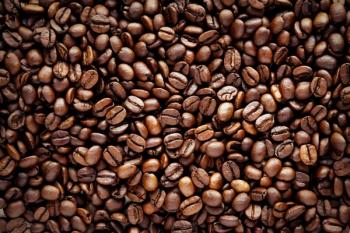
Using gas chromatography and mass spectrometry, a recent study was able to identify several compounds that give specialty coffee their fruity flavors and aromas.

A recent study was conducted using liquid chromatography–tandem mass spectrometry (LC–MS/MS) to identify the effect of cooking and storage on poly)phenolic compounds in piquillo peppers.

The "Deep Proteome" project is helping to advance our understanding of the vast world of human proteomics.
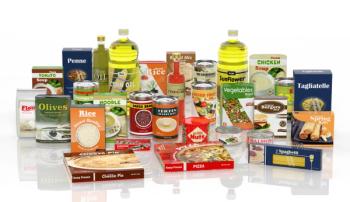
A recent study has shown that PFAS "forever chemicals" are present in some fast food packaging to a potentially alarming degree.

The 25th edition of the International Symposium on Advances in Extraction Technologies (ExTech) will be held in Tenerife (Canary Islands, Spain) from 18–21 July 2023. Here’s a glimpse of what attendees can look forward to.

Webcasts
Webinar Date/Time: Wed, May 3, 2023 11:00 AM EDT

Online SPE–LC–MS/MS combined with the method presented enabled automated cleanup of food extracts and determination of PFAS compounds in the ng/kg range.

SIFT–MS analysis has potential to screen large numbers of packaging samples for the volatile MOH fraction, providing a rapid indication of packaging material contamination.

An examination of the new high performance liquid chromatography (HPLC), mass spectrometry (MS), chromatography data systems (CDS), and related products that were introduced over the last year.
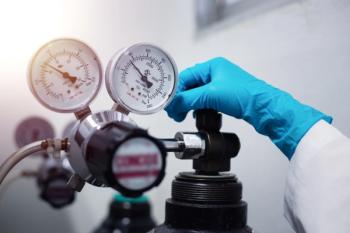
"GC Connections" presents the column's annual review of new developments made in the field of gas chromatography, made available in 2022–2023.

A systematic approach to method improvement can save time and resources by using methods that are likely to be better, and more robust, than those developed using a trial-and-error approach.

Some traditional MAM workflows are being substituted with iMAM workflows that rely on analyzing the intact mass of mAbs in their native form, resulting in significant improvements in high-throughput sample analysis.

A novel LC–MS/MS method, with a dual ESI and APCI source using simple solvent extraction for sample preparation, was validated for analysis of 102 pesticides and 5 mycotoxins regulated by Colorado state in dried hemp.

The monitoring of per- and polyfluoroalkyl substances (PFAS) into food is an important environmental and health concern. Raquel Sendón García, PhD, is a Faculty Member in the Department of Analytical Chemistry of Nutrition and Food Science, and a Faculty of Pharmacy member at the University of Santiago de Compostela in Spain. She has been performing research on food contamination and the presence of potentially harmful chemicals in foods for some time. We recently spoke to her about her work using GC–MS and other analytical techniques to analyze PFAS migration into food from packaging materials.
Webcasts
Webinar Date/Time: Wednesday, April 19, 2023