


Webcasts
Webinar Date/Time: Airing 1: Wednesday, March 20, 2024 at 11AM EDT / 3PM GMT / 4PM CET Airing 2: Wednesday, March 20, 2024 at 2PM EDT / 1PM CDT / 11AM PST

This article describes a liquid chromatography–tandem mass spectrometry (LC–MS/MS) method for the analysis of coumarin in various tobacco matrices and electronic cigarette (E-cig) liquids, and highlights the importance of evaluating different MS/MS transitions of an analyte in complex sample matrices to overcome matrix effects. Matrix interfering components were separated from analyte using a C18 ultrahigh-pressure liquid chromatography (UHPLC) column with a larger inner diameter (3.0 mm, or 4.6 mm). Matrix suppressions on analyte responses were corrected by isotope dilution. Four different MS/MS transitions of coumarin were studied in each sample matrix to select a suitable MS/MS transition for analyte quantification based on matrix effects on each MS/MS transition. The method was validated using different tobacco matrices and E-cig liquids.
Webcasts
Webinar Date/Time: Airing 1: Wednesday, March 20, 2024 at 11AM EDT / 3PM GMT / 4PM CET Airing 2: Wednesday, March 20, 2024 at 2PM EDT / 1PM CDT / 11AM PST

The 18th International Symposium on Hyphenated Techniques in Chromatography and Separation Technology will take place from 28–31 May 2024 in Leuven, Belgium.

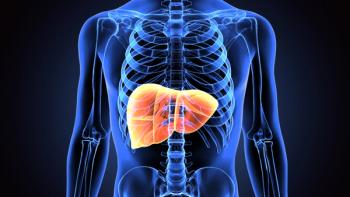
Researchers from Nanjing University of Chinese Medicine leveraged ultrahigh-pressure liquid chromatography coupled to quadrupole time-of-flight mass spectrometry (UHPLC–QTOF-MS) and network pharmacology to identify potential quality markers of three processed Qingpi products and elucidate their mechanism in liver disease treatment.

Researchers employed advanced chromatography and mass spectrometry techniques to unravel the chemical components and metabolites of Lingbao Huxin Dan, pinpointing its therapeutic potential for cardiovascular ailments.

Weronika Hewelt-Belka, an assistant professor at Gdańsk University of Technology in Poland, answers questions about her research analyzing GM3 gangliosides in human milk, elucidating their molecular distribution and dynamic changes throughout lactation.

The process was assisted by pH-dependent acid-base partitioning coupled with salting-out-assisted liquid-liquid extraction (LLE).

Using LC–MS in conjunction with QuEChERS extraction was demonstrated in this study to have the ability to monitor pesticide pollution in livestock breeding.

Scientists from Utah and Ireland recently created a liquid chromatography–mass spectrometry (LC–MS) analytical method capable of detecting phototoxins in essential oils.
LCGC and Spectroscopy Editor Patrick Lavery spoke with Oligo Factory CEO Chris Boggess about the company’s recently attained compliance with Good Manufacturing Practice (GMP) International Conference on Harmonisation of Technical Requirements for Registration of Pharmaceuticals for Human Use (ICH) Expert Working Group (Q7) guidance and its distinction from Research Use Only (RUO) and International Organization for Standardization (ISO) 13485 designations.

A review of advances in mRNA analysis using LC and LC–MS.

Scientists in Xi’an, China have created a novel system for the analysis of cell membranes, based around haloalkane dehalogenase protein tag (HALO)-tag technology. Their research was published in Talanta.

In our first edition of “Inside the Laboratory,” Laura-Isobel McCall, PhD, an associate professor of chemistry at San Diego State University, discusses her group’s most recent work using “chemical cartography” in order to perform effective liquid chromatography–mass spectrometry (LC–MS) data acquisition.

Researchers from the Chinese Academy of Medical Sciences and Peking Union Medical College categorize the cardioprotective effects and other characteristics of flavonoids from the species commonly known as Chinese rosewood.
A variety of chromatographic techniques have been used to quantify the full range of acyl-CoAs, formed when a fatty acid bonds with coenzyme A, but added complexity and analysis time adversely affect the level of throughput.

The hyphenated method was combined with a gradient ultracentrifugation technique that allowed for lipoprotein fraction separations.

Webcasts
Webinar Date/Time: Tue, Jan 23, 2024 11:00 AM CET (5:00 AM EST)

Scientists from Fudan University in Shanghai, China created a system for reducing retention-time variations in metabolomic analysis using ultrahigh-performance liquid-chromatography coupled with mass spectrometry (UPLC-MS).

As 2023 comes to an end, we laid out the most read articles of the past year.

A group of scientists from Xi’an, China have created a new system for analyzing cell membranes based around HALO-tag technology.

A novel method to simultaneously characterize the capping and poly(A) tail for therapeutic mRNA in a single sample preparation workflow is described.

A novel LC–MS/MS method, with a dual ESI and APCI source using simple solvent extraction for sample preparation, was validated for analysis of 102 pesticides and 5 mycotoxins regulated by Colorado state in dried hemp.

Scientists from South Dakota State University and the University of Colorado School of Medicine created a system to detect traces of cyanide in blood samples using liquid chromatography–tandem mass spectrometry (LC–MS/MS).

A recent study conducted in Beijing, China, presented a novel method involving LC–MS/MS, UAE, and online SPE for characterizing environmental pollutants.

A new study proposed a method for the determination of antibiotics and eight different metabolites, utilizing techniques like ultrasound-assisted extraction and LC–MS/MS.

Agilent Technologies presents this award to industry leaders as a means of supporting them through financial aid, products, and expertise, along with recognition.