





We present formulation and delivery of gene therapy products, focusing on adeno-associated virus (AAV) formulations. We also discuss the analytical technologies most used to characterize these products.
We present formulation and delivery of gene therapy products, focusing on adeno-associated virus (AAV) formulations. We also discuss the analytical technologies most used to characterize these products.

Among the chlorinated byproducts of water disinfection within the fresh-cut industry, haloacetic acids (HAAs) are known to pose a consumer health risk if they remain present in the treated product.

The α-glucosidase inhibitors (AGIs) were isolated from extracts of Agrimonia pilosa Ledeb (APL), which is a perennial herb used in traditional Chinese medicine (TCM).
Webcasts
Webinar Date/Time: Tue, Nov 7, 2023 11:00 AM EST

A novel lenvatinib stability-indicating method, developed through a quality by design (QbD) approach and embracing principles of green chemistry, offers a robust solution for ensuring the drug's stability under various conditions.
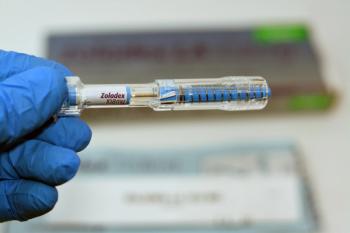
Researchers have developed a meticulous method for analyzing impurities in a product used for early treatment of breast cancer in premenopausal and perimenopausal women, shedding light on the product’s degradation pathways.

Three different metrics were used experimentally, based on measurements of both NIST Standard Reference Material (SRM) 1950 and data obtained from murine kidney tissue.

Webcasts
Webinar Date/Time: Tuesday, November 14th, 2023 at 8am PST | 11am EST | 4pm GMT | 5pm CET

Webcasts
Webinar Date/Time: Wed, Nov 8, 2023 11:00 AM EST

Valérie Pichon's review in Analytical and Bioanalytical Chemistry delves into sophisticated liquid chromatography techniques for detecting albumin adducts, vital biomarkers in retrospective mustard agent exposure monitoring, offering a broader window of detection than urine-based methods.

A comprehensive analytical approach utilizing online two-dimensional liquid chromatography coupled with hybrid linear ion trap orbital trap mass spectrometry, has enabled the in-depth analysis of Huangqi Guizhi Wuwu decoction, identifying 170 chemical constituents and offering insights into its complex chemical composition and potential therapeutic properties.

A new ultrahigh-performance liquid chromatography tandem mass spectrometry (UHPLC–MS/MS) was used to detect purine metabolites in rat plasma, revealing more information about their role in several biological disorders.

At HPLC 2023, John Langley, a professor at the University of Southampton in Southampton, UK, presented a talk called "(R)evolution of Hyphenations, Through Open-Access RP-HPLC–MS, Open-Access UHPSFC–MS and 2D-LC–IMS-MS in Academia". He spoke with LCGC on the importance of open-access hyphenation, and how to implement it in your research.

Scientists from the University of Utah in Salt Lake City, Utah, created a new technique to characterize lipids, specifically glycolipids, using ion mobility spectrometry–mass spectrometry (IMS-MS).

Untargeted analysis using liquid chromatography with tandem mass spectrometry (LC–MS/MS) chemical profiling is a valuable tool, but care needs to be taken with experimental design.

How can low-resolution mass spectrometry (LRMS) and high-resolution (HR) MS work together to provide unambiguous results in clinical and forensic toxicology?

The methodologies demonstrated here open the way to fully compliant at-line monitoring of monoclonal antibody quality attributes.

An overview of GLP regulations and related public standards.

Alasdair Matheson spoke to Jacob de Boer of Vrije Universiteit Amsterdam about a recent innovative research project investigating per- and polyfluoroalkyl substances (PFAS) in fast food packaging.

Researchers have developed a multitargeted internal calibration method for precise quantification of chronic kidney disease (CKD)-related endogenous metabolites using liquid chromatography–mass spectrometry (LC–MS).

Christopher Hudalla of ProVerde Laboratories Inc. discussed how using liquid chromatography–mass spectrometry (LC–MS) could be used to quantify specific classes of phospholipid (PPL) constituents that can help streamline cannabis extraction.

Okadaic acid (OA) is considered a marine toxin with distributed hydroxyl, polycyclic ether, and carboxyl groups, easily accumulated in shellfish and known to cause food poisoning in humans.
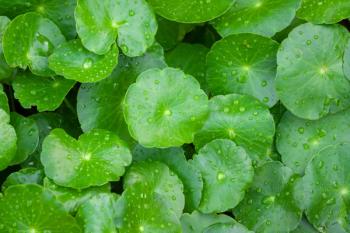
In a recent study, researchers from China presented a novel approach that uses a supramolecular solvent (SUPRAS) method for detecting bioactive compounds.

Webcasts
Webinar Date/Time: Airing 1: Tuesday October 10, 2023 at 9am EDT | 8am CDT | 6am PDT Airing 2: Tuesday October 10, 2023 at 1pm EDT | 12pm CDT | 10am PDT

Researchers from Corteva Agriscience tested a new approach for separating and quantifying small molecule structure elucidation.