

Dioxins and other persistent organic pollutants are everywhere. Labs analyze samples to quantify and guarantee their results are compliant with regulations and controls.
Dioxins and other persistent organic pollutants are everywhere. Labs analyze samples to quantify and guarantee their results are compliant with regulations and controls.
The AOAC method 2012.13 determines fatty acid content in milk products and infant formula by capillary GC with flame ionization detection using the Agilent 8890 GC.
A novel food-authenticity workflow targeted for routine analysis distinguishes black pepper samples from different geographic regions and detects adulteration.
How to test the suitability for the determination of pesticides in strawberries using an Agilent 8890 GC, coupled to an Agilent 7000D and 7010B GC–MS TQ.
The ALEXYS Carbohydrates Analyzer is a robust and reliable solution for the analysis of carbohydrates in apple juice, buttermilk, malt beer, and artificial sweeteners.
Being the recognized method in worldwide regulations, Magnetic Sector offers advantages when it comes to routine quantitative analysis of Dioxins and other POPs.
Report of verified results for pesticide residues sensitivity in food using the JMS-TQ4000GC
Pesticides in a hemp matrix were analyzed using the SRM capabilities of the JEOL JMS-TQ4000GC gas chromatograph triple-quadrupole mass spectrometer.
Report of the stability of eight pesticides that were added to a spinach extract, with good reproducibility
Pesticides in Cannabis sativa matrix were analyzed using the SRM capabilities of the JEOL JMS-TQ4000GC gas chromatograph triple-quadrupole mass spectrometer.
Quantitative analysis of residual agricultural chemicals in carrot extract was undertaken using a JEOL JMS-TQ4000GC.
Quantitative analysis of residual agricultural chemicals in spinach extract was undertaken using a JEOL JMS-TQ4000GC.
Preventing aerosol contamination during pipetting helps you achieve reliable results. Here we address the main contamination mechanisms that need to be avoided.
Reveal more veterinary drugs in Food. Use the QSight LC–MS/MS to get a fast, selective, and sensitive method for the determination of sulfonamide antibiotics in milk.
Sponsored Content
Synthetically derived food and beverage dye analysis to meet regulatory requirements aimed at reducing the risk of allergies, cancers, and attention deficits.
The ALEXYS carbohydrates analyzer is a robust and reliable solution for the analysis of carbohydrates in apple juice, buttermilk, malt beer, and artificial sweeteners.
Analyzing crops for beneficial and harmful compounds is an indispensable tool for assessing the viability of various agricultural crops for consumption.
Sponsored Content
Key bourbon odorants with flavor dilution factor 201 found by solventless extraction and GC–MS/O-Aroma Dilution Analysis. Data analysis and AEDA-like reporting is shown.
Sponsored Content
Production of ethanol from biological sources produces side products, specifically propanol and methanol among other ketones, fatty acids, and esters.
LCGC North America
This application note summarizes a validated procedure developed by the US Food and Drug Administration (FDA) for the measurement of 16 PFASs in food using a QuEChERS sample preparation approach.
Sponsored Content - EU
This application note summarizes a validated procedure developed by the US Food and Drug Administration (FDA) for the measurement of 16 PFASs in food using a QuEChERS sample preparation approach.
Sponsored Content
This application note presents a novel study of coffee aroma profiling by analyzing volatile organic compounds (VOCs) emitted at a series of progressively higher temperatures.
Sponsored Content
In this application note we discuss the AcquireX workflow using the Orbitrap ID-X for detection and quantitation in non-targeted, multiresidue LC–MS pesticide profiling.

The Column
The Column spoke to Carlos Calderón about his research project, investigating pharmacolipidomics analysis of betulin in human primary keratinocytes to monitor alterations in the lipid profiles induced by treatment with betulin.

The Column
Incognito offers some tips for chromatographers during the current crisis
Sponsored Content - EU
Reveal more in your food. Using QSight LC–MS/MS to get a fast, selective, and sensitive multi-residue method for the determination of 136 pesticides in pepper.

LCGC Europe
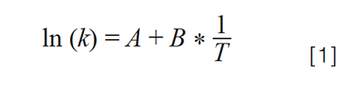
In reversed-phase liquid chromatography, increasing the column temperature usually results in a decrease in analyte retention. Will this cause problems if a method does not call for control of the column temperature but the room temperature of the laboratory environment changes?