







Biopharmaceuticals and Protein Analysis
Latest News
Advertisement
Latest Videos
Advertisement
More News

Detecting tryptophan and other metabolites can be done using various techniques. Researchers created a new UHPLC–MS/MS-based method for quantifying these substances in human plasma.
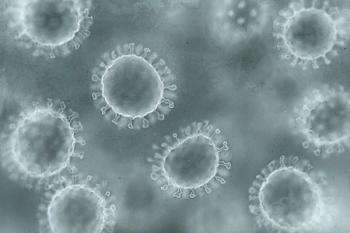
HIV-based virus-like particles can be difficult to characterize in samples. Recently, researchers from institutions in Germany enhanced anion-exchange chromatography procedures to better detect and treat these substances.

Here is some of the most popular content posted on LCGC International this week.

High-performance liquid chromatography (HPLC) was recently used to detect acylated impurities in artificial hormones meant to treat prostate cancer symptoms.

AI-powered tools are enhancing precision, efficiency, and decision-making in biopharmaceutical development. Recently, Jared Auclair and Anurag Rathore explored AI's evolving role in biopharmaceuticals in detail.

Bacteriophages are vital for addressing antibiotic-resistant bacteria, though phage therapies are currently rare. University of Lisbon researchers recently created a new purification workflow to address these concerns.

Separating stereoisomers is an extensively researched and challenging process, with approved substances being rare. A new SFC-based system was made to possibly ease some aspects of these procedures.

This study highlights the promising potential of LC–MS as a powerful tool for mAb quality control within the context of upstream processing.
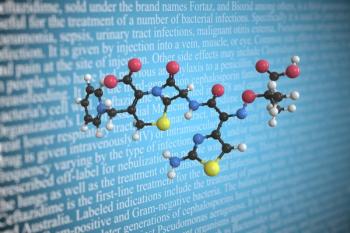
Ceftazidime and avibactam are two anti-infective drugs that can prove difficult to analyze in serum. Determining them can assist in therapeutic drug monitoring or pharmacokinetic studies.

Highly reactive aldehydes can pose significant health concerns in polluted environments. HPLC was used in this study to simultaneously analyze carbonyl compounds hydrazones.

Texas Tech University researchers used liquid chromatography–tandem mass spectrometry to quantify glucose transporter 1 (GLUT1) in mammalian brain cells.

A recent roundtable discussion featuring Aloka Srinivasan of Raaha, Mayank Bhanti of the United States Pharmacopeia (USP), and Amber Burch of Purisys discussed the challenges surrounding nitrosamine analysis in pharmaceuticals.
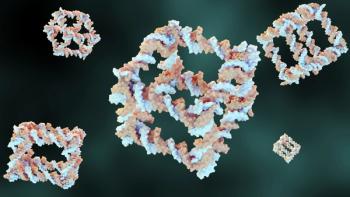
A team of researchers from Waters Corporation, led by Szabolcs Fekete, tested a new approach for separating oligonucleotides.

Led by Esther A. Olonimoyo, University of Maryland researchers created a new HPLC-based method for analyzing short-chain fatty acids.
During an LCGC International peer exchange, Aloka Srinivasan, Mayank Bhanti, and Amber Burch discussed the regulatory deadlines and supply chain challenges that come with nitrosamine analysis.
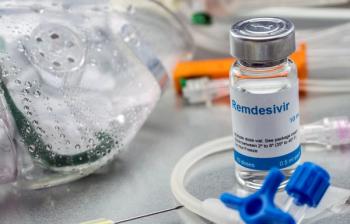
Scientists from Ferdowsi University tested a new type of sorbent for effectively extracting remdesivir from samples.

Scientists from ThermoFisher Scientific published a review article in the Journal of Chromatography A that provided an overview of HPLC analysis using charged aerosol detection can help with polysorbate quantification.
During a recent LCGC International peer exchange discussion on nitrosamine analysis, our professional panelists discussed the complex issues surrounding the processes for detecting nitrosamines.

Researchers from Agency for Science, Technology and Research in Singapore recently published a review article exploring how chromatography can be used to remove double-stranded RNA impurities during mRNA therapeutics production.

In this edition of the LCGC Blog, Amber Hupp of the College of the Holy Cross reflects on her childhood and talks about her journey recreating the scents from that long past.

Fabrice Gritti discusses the history of slalom chromatography (SC) and why he decided that the technique was worth re-investigating.

This article discusses several practical examples using bioinert columns, demonstrating their ability to deliver reliable, high-resolution results with precision and reproducibility.
Here is some of the most popular content posted on LCGC International this week.
A new method has been created for determining N-nitrosamines (NAs) in pharmaceutical preparations using liquid chromatography with tandem mass spectrometry.

New types of smart proteolytic samplers were tested for their effectiveness in liquid chromatography-mass spectrometry (LC–MS)-based protein quantification.
Advertisement
Advertisement