


Biopharmaceuticals and Protein Analysis
Latest News
Advertisement
Latest Videos

Advertisement
More News

Researchers from Agency for Science, Technology and Research in Singapore recently published a review article exploring how chromatography can be used to remove double-stranded RNA impurities during mRNA therapeutics production.

In this edition of the LCGC Blog, Amber Hupp of the College of the Holy Cross reflects on her childhood and talks about her journey recreating the scents from that long past.

Fabrice Gritti discusses the history of slalom chromatography (SC) and why he decided that the technique was worth re-investigating.

This article discusses several practical examples using bioinert columns, demonstrating their ability to deliver reliable, high-resolution results with precision and reproducibility.

Here is some of the most popular content posted on LCGC International this week.
A new method has been created for determining N-nitrosamines (NAs) in pharmaceutical preparations using liquid chromatography with tandem mass spectrometry.

New types of smart proteolytic samplers were tested for their effectiveness in liquid chromatography-mass spectrometry (LC–MS)-based protein quantification.

A new solid-phase microextraction-based technique has been developed for extracting triazole residues from environmental samples including water and juice.
Here is some of the most popular content posted on LCGC International this week.
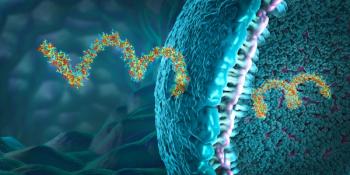
Hydrophilic interaction liquid chromatography (HILIC) has emerged as a promising alternative to traditional ion-pair reversed phase liquid chromatography (IP-RPLC) methods for separating oligonucleotides (ON). This work investigates the application of HILIC to the separation of ON sequence and length variants, duplexes, and single-stranded components.
Here is some of the most popular content posted on LCGC International this week.
Here is some of the most popular content posted on LCGC International this week.
Guangdong University of Technology researchers used a gas chromatography-based method to detect nonylphenol isomers in sewage and wastewater sludge.
Scientists from Bristol Myers Squibb developed a method using supercritical fluid chromatography for chiral bioanalysis.
Here is some of the most popular content posted on LCGC International this week.
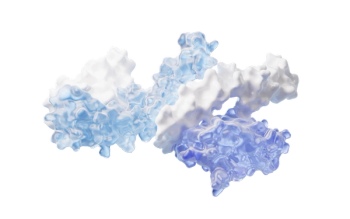
Supercritical fluid chromatography (SFC) has been optimized for the analysis of 5-, 10-, 15-, and 18-mer oligonucleotides (ONs) and evaluated for its effectiveness in separating impurities from ONs.

Researchers have produced a review of chromatography media and purification processes for handling complex and super-large biomolecules.

A review of recent trends and remaining challenges in bispecific antibody (bsAb) production has been published.
Here is some of the most popular content posted on LCGC International this week.
A new method has been created for determining N-nitrosamines (NAs) in pharmaceutical preparations using liquid chromatography with tandem mass spectrometry.

Ion chromatography can be utilized in various ways to analyze halogens and similar substances within inorganic matrices.

New methods have been developed to determine polar emerging contaminants with hydrophilic interaction liquid chromatography (HILIC) techniques.

Scientists from the Henan Academy of Sciences recently developed a new technique for the determination of hydroxyl polycyclic aromatic hydrocarbons (OH-PAHs) from urine.

A new process for tracking targeted and non-targeted fluorinated residuals using liquid chromatography–high-resolution mass spectrometry (LC–HRMS) has been created.
Scientists from Nanjing University recently developed a new solid-phase microextraction (SPME)-based system for detecting nitrated polycyclic aromatic hydrocarbons (nitro-PAHs) in aquatic environments.
Advertisement
Advertisement
Trending on LCGC International
1
AI ML Now: Gert Desmet on the State of Artificial Intelligence and Machine Learning in Separation Science
2
Conversations with Michael Dong: Buffers for Mobile Phase A in Pharmaceutical Analysis
3
Prioritizing Unknowns in Nontarget Screening of Food Samples
4
The Future of GLP-1 Peptide Analysis: AI, Automation, and the Scientist's Role
5