
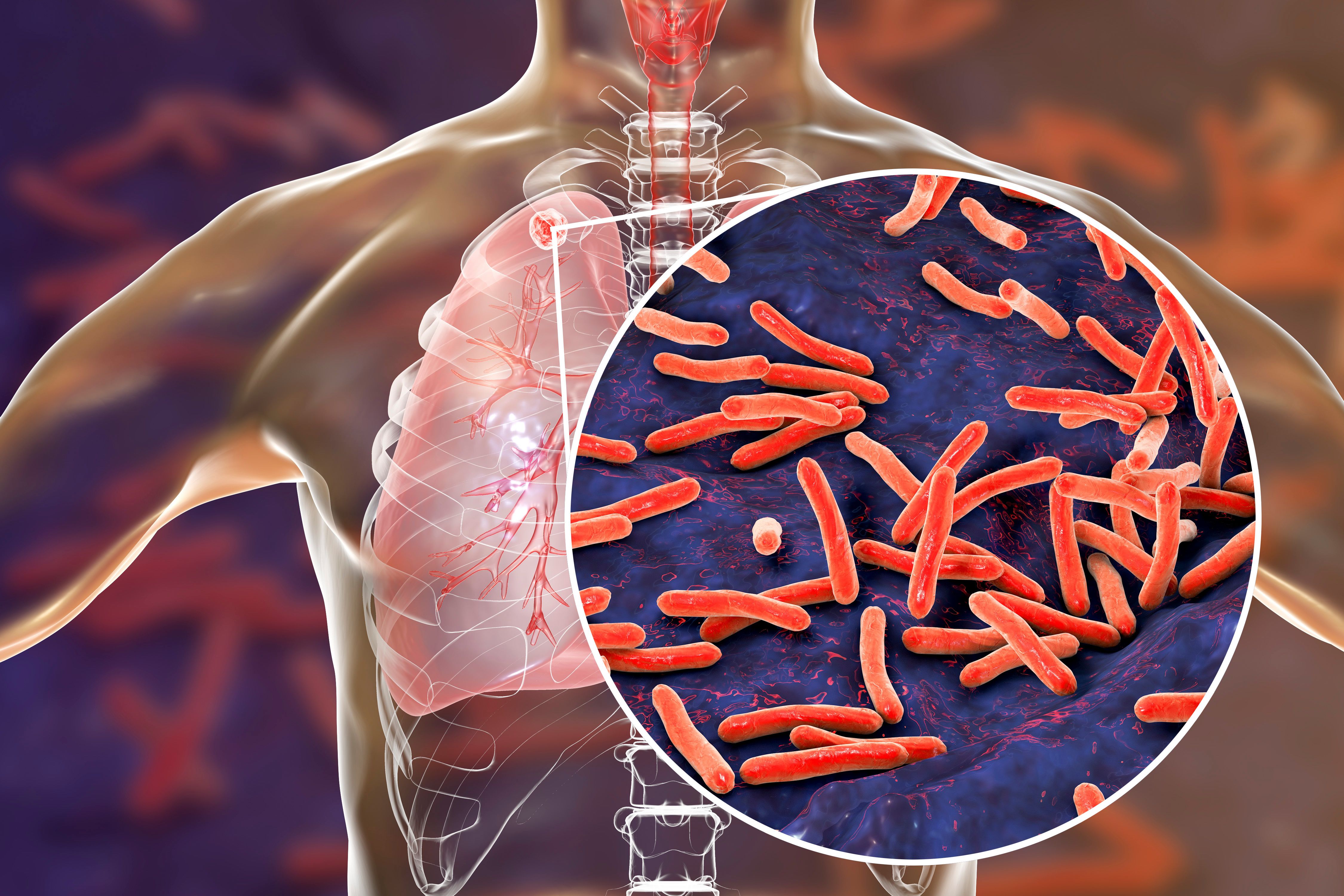
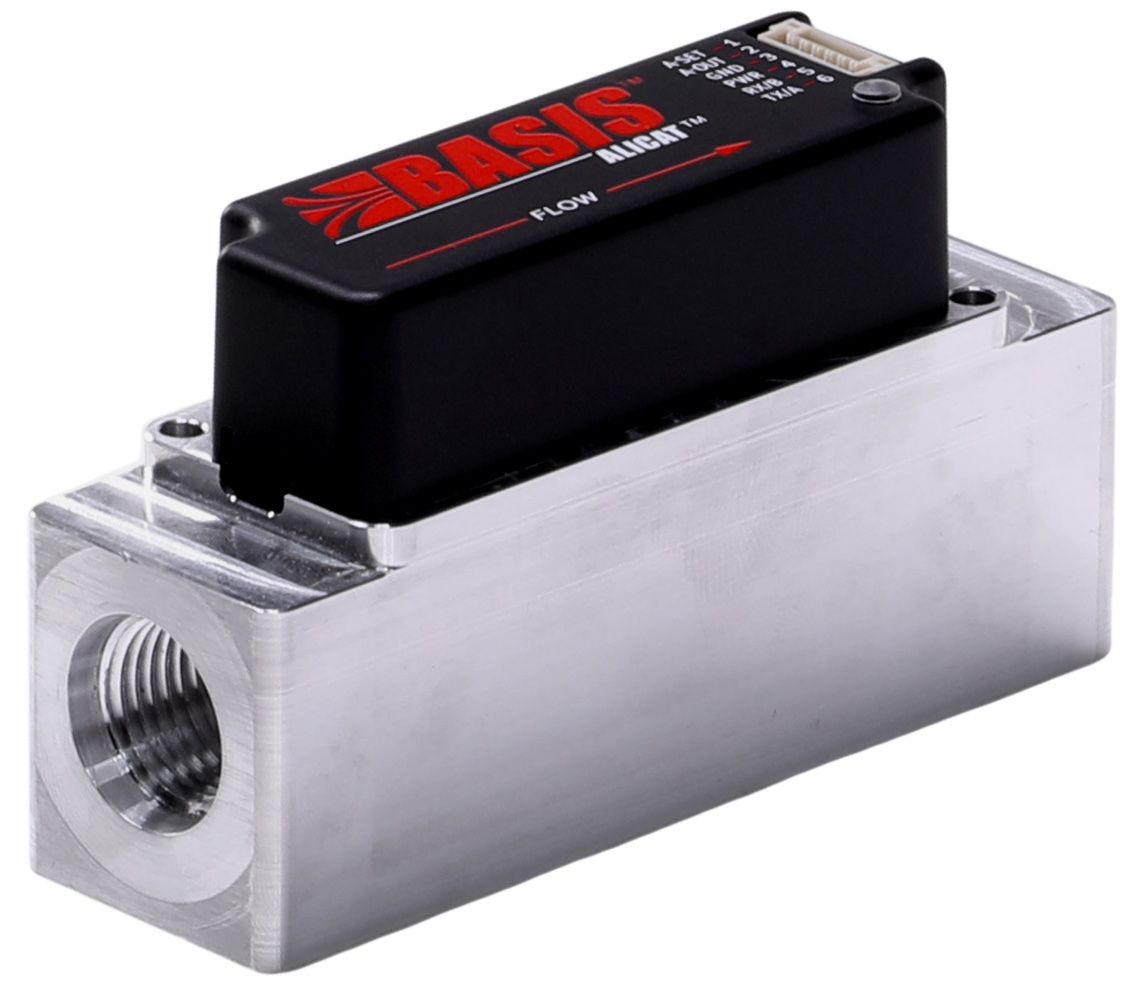

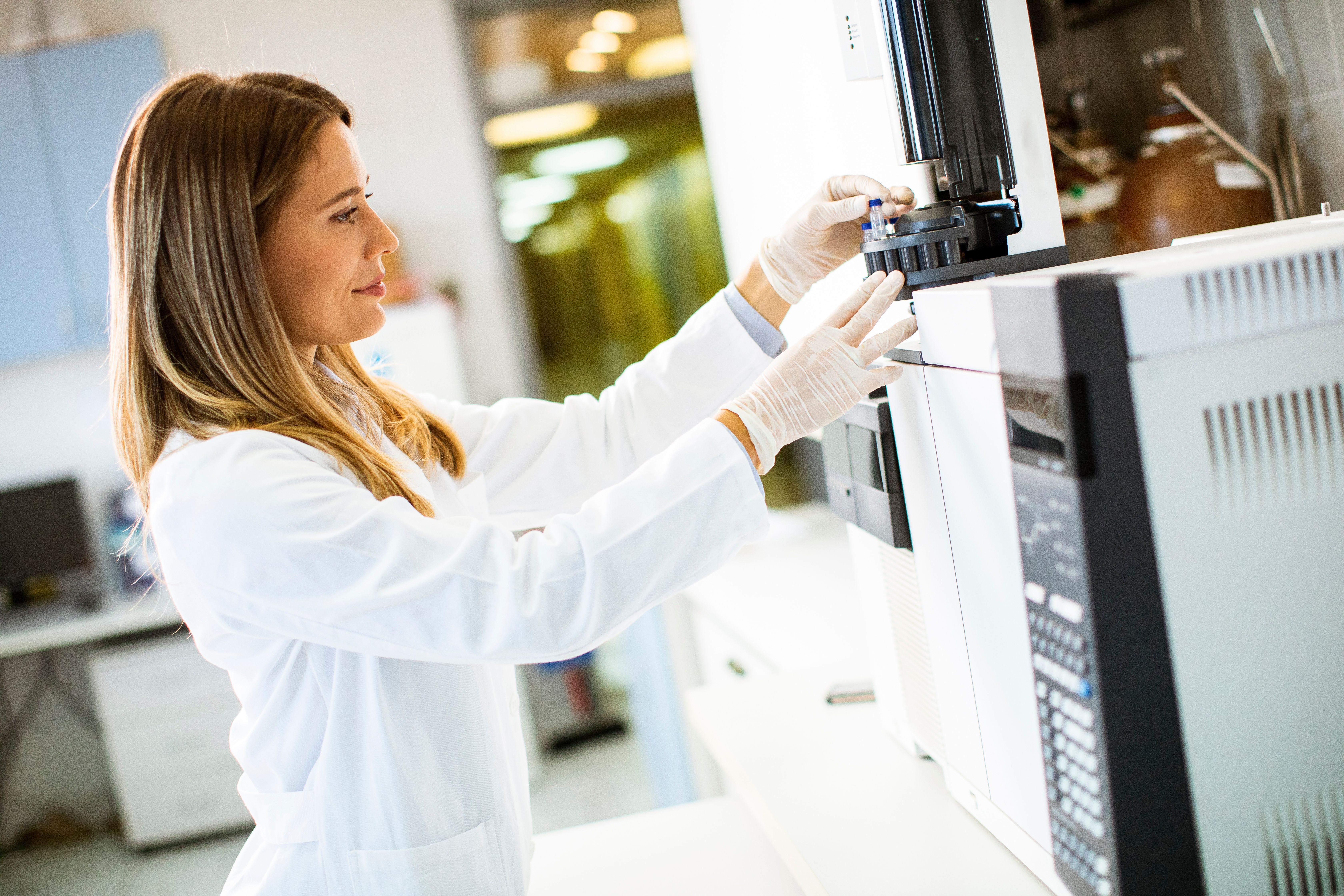


Researchers from Europe conducted the first known interlaboratory study on inverse gas chromatography (IGC), revealing significant variations in dispersive surface energy values and retention volumes for standard materials.
Researchers from Europe conducted the first known interlaboratory study on inverse gas chromatography (IGC), revealing significant variations in dispersive surface energy values and retention volumes for standard materials.
Gas chromatography is a premier technique for quantitative analysis. As gas chromatographs have become simpler to use and data systems more powerful, much of the data processing involved in delivering quantitative results now happens in the background and is seemingly invisible to the user. In this installment, we will review the calibration techniques used with gas chromatography. We will compare calibration methods and the assumptions that underlie them. We will explore common mistakes and challenges in developing quantitative methods and conclude with recommendations for appropriate calibration methods for quantitative problems.
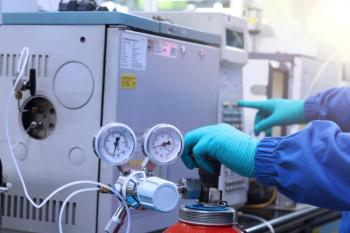
This annual award is presented to an outstanding scientist in the field of chromatography.

You're invited to publicize your 2023–2024 new product introductions in LCGC. Here's how to get your products included.

Webcasts
Webinar Date/Time: Thu, Jan 25, 2024 2:00 PM EST

As 2023 comes to an end, we laid out the most read articles of the past year.
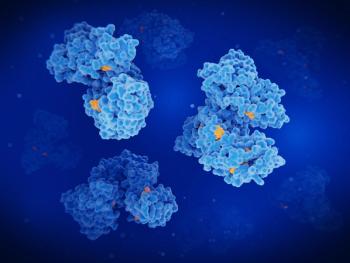
Scientists from Essen, Germany recently created a method for simultaneously analyzing fatty acids (FAs) and fatty acid methyl esters (FAMEs).

Splitless modes of operation using an optimized pulse injection are described.

The 18th International Symposium on Hyphenated Techniques in Chromatography and Separation Technology (HTC-18) will be held from 28–31 May 2024 in Leuven, Belgium.
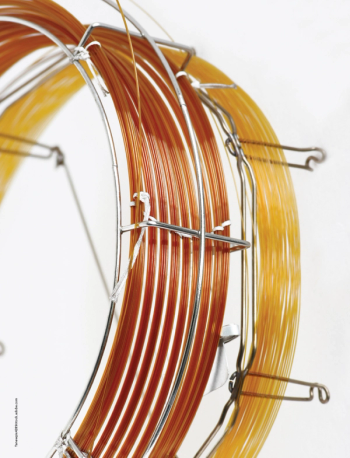
A list of some of the vital components of the GC column-making process.
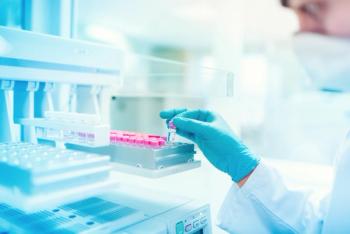
A recent sample preparation survey explored the critical role of sample preparation in gas chromatographic analysis.

Although not as common as in HPLC, molecular spectroscopy can be used with GC as well.
LCGC spoke to Leandro Wang Hantao from the University of Campinas in São Paulo, Brazil, about his work investigating the influence of ion management parameters on the data produced by comprehensive gas chromatography–high-resolution mass spectrometry (GC×GC–HRMS) equipped with a fourier transform-orbital ion trap mass analyzer, and his investigation into employing channel occlusion for sample preparation in untargeted analysis in petroleomics.

Here, we preview the International Symposium on Hyphenated Techniques in Chromatography and Separation Technology (HTC-18), which will be held from May 28–31st 2024 in Leuven, Belgium.

Chromatography is predicted to be a major player among instrument technologies, but spectroscopy and electrophoresis may also increase their market shares.

Agilent Technologies presents this award to industry leaders as a means of supporting them through financial aid, products, and expertise, along with recognition.

At the Eastern Analytical Symposium (EAS) in Plainsboro, New Jersey, LCGC sat down with Robert Kennedy to discuss his research and career in analytical chemistry.

The Column spoke with Ilaria Belluomo from Imperial College London, UK, about her research in breath analysis. She details her work into a noninvasive breath test that can be used to detect colorectal cancer using GC–MS. She also discusses the use of SIFT-MS for the analysis of VOCs in breath.

The Green Analytical Chemistry Workshop (1st TGAC) will be held 5–6 February 2024, at Novotel Paris-Charenton, Paris, France. Here's a glimpse at what attendees can look forward to.

This article presents a multimodal approach for students with severe visual impairment or blindness, to encourage them to learn more about chromatographic processes.

Are you interested in ChatGPT's vast potential? Or are you getting tired of reading or hearing about ChatGPT?

Gas chromatography can be used in combination with molecular spectroscopy to provide structural and quantitative information on a variety of sample types.

At the 2023 Gulf Coast Conference, LCGC spoke with John Wasson of Wasson-ECE Instrumentation, who discussed the process of retrieving high-quality, real-time data from chemical processing plant streams. This interview was one of four conducted live at GCC 2023.

At the 2023 Gulf Coast Conference, LCGC spoke with Kevin Schug of the University of Texas at Arlington, about predicting gas phase vacuum ultraviolet spectra using machine learning. This interview was one of four conducted live at GCC 2023.

Dan Wispinski, the Standard Methods Development Manager for VUV Analytics, held a lecture at the Gulf Coast Convention in Galveston, Texas, which focused on the adoption of gas chromatography–vacuum ultraviolet spectroscopy (GC-VUV) technology.