





Diflubenzuron and similar compounds can be signs of cattle fever ticks, which can cause morbidity in cattle. LC–MS/MS was recently tested as a means of detecting these disease-carrying insects.
Diflubenzuron and similar compounds can be signs of cattle fever ticks, which can cause morbidity in cattle. LC–MS/MS was recently tested as a means of detecting these disease-carrying insects.

Detecting tryptophan and other metabolites can be done using various techniques. Researchers created a new UHPLC–MS/MS-based method for quantifying these substances in human plasma.
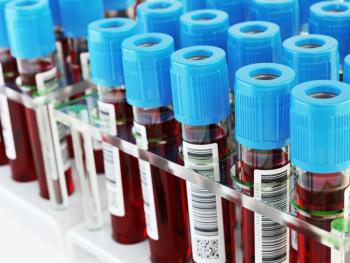
While venous blood sampling can help gain understanding of patients’ health through phenolic compound analysis, this process can prove discomforting. Volumetric absorptive microsampling has recently been proposed as a more suitable and equally effective alternative.

Dimethylamine (DMA) is the smallest organic amine, typically being found in both humans and marine ecosystems. Dimitrios Tiskas of Hannover Medical School recently analyzed the nature and significance of DMA and other amines.

Kerstin Thurow, who achieved first professorship in “Laboratory Automation” at the Faculty of Engineering at the University of Rostock, in Germany, offers insights into the constantly-evolving field of laboratory automation.

Brett Paull from the University of Tasmania, Tasmania and his team describe the latest development in portable LC instruments and their experience of taking portable systems out to the field.

The potential of skin-based diagnostics using UHPLC–IMS-HRMS to offer safe, cost-effective, and field-friendly solutions for TB screening is highlighted.

High-performance liquid chromatography (HPLC) was recently used to detect acylated impurities in artificial hormones meant to treat prostate cancer symptoms.

Chinese researchers created a new approach for identifying and quantifying illegal additives in fruit and vegetable plums, types of often-consumed health-care foods.

Here is some of the most popular content posted on LCGC International this week.

Webcasts
Webinar Date/Time: Wednesday, May 28, and Thursday, May 29, 2025 Morning Sessions: 2:00pm BST | 9:00am EST | 3:00pm CEST Lunchtime Sessions: 5:30pm BST | 12:30pm EST | 6:30pm CEST Afternoon Sessions: 6:30pm BST | 1:30pm EST | 7:30pm CEST

Webcasts
Webinar Date/Time: Thu, May 22, 2025 11:00 AM EDT

This new study presents a validated QuEChERS–LC-MS/MS method for detecting eight persistent, mobile, and toxic substances in escarole, tomatoes, and tomato leaves irrigated with contaminated water.

This study highlights the promising potential of LC–MS as a powerful tool for mAb quality control within the context of upstream processing.

Haloacetic acid detection has become important when analyzing drinking and swimming pool water. University of Tasmania researchers have begun applying capillary liquid chromatography as a means of detecting these substances.

When analyzing samples using liquid chromatography–high-resolution mass spectrometry, there are various ways the processes can be improved. Researchers created new methods for prioritizing these strategies.
Here is some of the most popular content posted on LCGC International this week.

Two-dimensional liquid chromatography (2D-LC) coupled to mass spectrometry (MS) has been used to separate proteins in the venom of the Indian cobra snake.

Ping Wei powder is a type of traditional Chinese medicine used to treat digestive system diseases. Its growth in popularity has led to scientists seeking to properly identify its chemical profile.

Novichok nerve agents are lethal substances when improperly handled. The researchers from the University of Helsinki aimed to find new ways of neutralizing Novichok A-234.

Webcasts
Webinar Date/Time: Tue, May 13, 2025 11:00 AM EDT

Flavonoids are widely used metabolites that carry out various functions in different industries, such as food and cosmetics. Detecting, separating, and quantifying them in fruit species can be a complicated process.
Here is some of the most popular content posted on LCGC International this week.

Texas Tech University researchers used liquid chromatography–tandem mass spectrometry to quantify glucose transporter 1 (GLUT1) in mammalian brain cells.

Karolinska University Hospital researchers recently tested new approaches for analyzing drugs of abuse in oral fluids.