Here is some of the most-read content posted on LCGC International this week.

In the fourth section of our time with Tian (Autumn) Qiu, winner of the ASMS 2025 Research Award, she discusses the mentors who guided her to where she is now and imparts advice to future mass spectrometrists.

In this episode the panelists explore emerging analytical techniques that are enhancing PFAS quantification.

An LC×LC–HRMS method was developed for the characterization of phenolic compounds in cannabis, with flavoalkaloids identified for the first time.

In the third section of our time with Tian (Autumn) Qiu, she discusses how mass spectrometry can be useful in environmental toxicology research.

A study conducted by the College of Veterinary Medicine of Midwestern University (Glendale, Arizona), the University of California Davis School of Veterinary Medicine (Davis, California) and the College of Veterinary Medicine of the University of Tennessee (Knoxville, Tennessee) set out to describe the pharmacokinetics of oral gabapentin (GABA) in goats given as a single dose (SD) and multidose (MD) regimen, as well as to document any adverse effects after administration. Plasma samples were collected and analyzed via reversed-phase high performance liquid chromatography (RP-HPLC).

The experts explore the most pressing analytical challenges in PFAS analysis, highlighting persistent issues such as contamination, detection limits, background blanks, and other method-related obstacles encountered in the lab.

A joint study between the Nursing School of North Henan Medical University (Xinxaing, China) and The First Affiliated Hospital of Harbin Medical University (Harbin, China) used gas chromatography–mass spectrometry (GC-MS) for an observational study collecting and classifying surgical smoke generated during laparoscopic surgery to evaluate the carcinogenic risks to healthcare workers.

A recap of the afternoon session focused on pharmaceutical separations, from Day 2 of HPLC 2025.

A recent review conducted by the Food Science Departments of Cairo University (Giza, Egypt), the University of Basrah (Basrah, Iraq) and Damascus University (Damascus, Syria) examined the wide array of bioactive compounds present in plant-based foods, with emphasis on their extraction, isolation, identification, characteristics, and emerging applications. These compounds were separated, purified, and analyzed from their complex plant-based matrices through a variety of chromatographic and spectrometric techniques.

Highlights from the afternoon sessions of HPLC 2025: Oligonucleotide analysis

Highlights from the opening session and the first day of HPLC 2025

As a precursor to the Lindau Nobel Laureate Meetings, Texas A&M University held a meeting for future Lindau attendees to highlight the institution’s scientific facilities. One such attendee is Caitlin Cain of the University of Michigan, one of LCGC International’s 2024 Rising Stars of Separation Science.

In the food industry, evolving consumer demands, contamination concerns, and workforce issues are driving significant changes in food analysis and instrumentation.

Here is some of the most-read content posted on LCGC International this week.

Researchers at the University of Akron (Akron, Ohio) and Slippery Rock University (Slippery Rock, Pennsylvania) used gas chromatography-mass spectrometry (GC-MS) to analyze nicotine-free, cinnamon-flavored e-cigarette vapor to identify chemicals that might impact zebrafish cardiovascular development.

Researchers at the College of Life Science at Northwest Normal University (Lanzhou, China) used gas chromatography-ion mobility spectrometry (GC-IMS) to analyze the volatile organic compounds (VOCs) of olive oil extracted from eight maturity indices of Koroneiki olive fruits to determine the optimal harvest period.

Gas chromatography-mass spectrometry (GC-MS) was used in a joint study between the David Geffen School of Medicine at the University of California Los Angeles (Los Angeles, California) and the Department of Pediatrics at Boston Children's Hospital (Boston, Massachusetts) comparing parenteral nutrition–associated cholestasis, growth, and fatty acids in infants with gastrointestinal (GI) disorders who received either multioil intravenous lipid emulsion (MO ILE) or soybean oil lipid emulsion (SO ILE).

In the second part of our time with Tian (Autumn) Qiu, she discusses her laboratory research into the interactions between hosts and microbes, with mass spectrometry techniques being useful in these efforts.

In the first part of our time with Tian (Autumn) Qiu, she shares her thoughts on winning the ASMS 2025 Research Award.

At the 2025 ASMS conference, YongDong Wang, co-founder and CEO of Cerno, emphasized the critical importance of high-quality, calibrated data as the foundation for effective AI and machine learning applications in mass spectrometry, while advising young chemists to master fundamentals alongside emerging technologies.

Here is some of the most popular content posted on LCGC International this week.

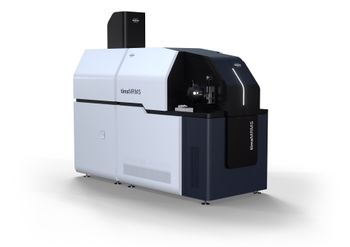
At the ASMS Conference in Baltimore, the company highlighted several new products tailored to a range of application areas, including biopharmaceutical development and environmental analysis.

Cerno Bioscience develops vendor-neutral software to streamline mass spectrometry spectral analysis, partnering with major manufacturers like Agilent and Thermo Fisher Scientific while expanding into new global markets.

At this year’s ASMS conference, LCGC interviewed executives from leading analytical science and technology companies to explore emerging trends and gain professional insights. During these discussions, they focused on key advice for early-career analytical chemists to prioritize in today’s evolving field.

Research conducted at Uskudar University (Istanbul, Turkey) explored the neuroprotective potential of ethanolic extracts of celery leaves, specifically in the treatment of Alzheimer’s disease. Liquid chromatography (LC) and mass spectrometry (MS)-based metabolomics analysis of the extract revealed the existence of a diverse array of secondary metabolites, including phenolic acids, hydroxycinnamic acid, flavonoids, flavonoid O-glycosides, flavonol, glycosides, and isoflavones.

At the ASMS 2025 conference, Sciex showcased its latest mass spectrometry system, the ZenoTOF 8600, along with updates to its software platform designed to enhance data processing and analysis for complex workflows.

Click here to access the LCGC International June 2025 North America PDF in an interactive format.

Click here to access the LCGC International June 2025 Europe PDF in an interactive format.