

Webcasts
Webinar Date/Time: Thu, Apr 20, 2023 11:00 AM EDT
Webcasts
Webinar Date/Time: Thu, Apr 20, 2023 11:00 AM EDT
Webcasts
Webinar Date/Time: Airing 1: Tuesday, February 28th, 2023 at 9am EST | 6am PST | 2pm GMT | 3pm CET Airing 2: Tuesday, February 28th, 2023 at 2pm EST | 11am PST | 7pm GMT | 8pm CET
Webcasts
Webinar Date/Time: Thursday, March 16th, 2023 at 8am PST | 11am EST | 4pm GMT | 5pm CET

Webcasts
Webinar Date/Time: Tuesday, January 31st, 2023 Session 1: 9am EST | 2pm GMT | 3pm CET Session 2: 2pm EST | 11am PST | 7pm GMT

Webinar Date/Time: Tuesday, February 21st, 2023 Morning session: 9:30 am EST - 12:15 pm EST Afternoon session: 2:00 pm EST - 4:00 pm EST Wednesday, February 22nd, 2023 Morning session: 9:30 am EST - 12:15 pm EST Afternoon session: 2:00 pm EST - 4:00 pm EST

Webcasts
Webinar Date/Time: Thu, Feb 23, 2023 11:00 AM EST

Webcasts
Webinar Date/Time: Wednesday, Feb 15th and Thursday, Feb 16th, 2023 Day 1: 9:00 am EST – 2:45 pm EST Day 2: 8:30 am EST – 4:30 pm EST
Webcasts
Webinar Date/Time: Thursday, February 16th, 2023 at 8am PST | 11am EST | 4pm GMT | 5 pm CET
Webcasts
Webinar Date/Time: Monday, March 27th at 11am EDT|8am PDT|4pm BST|5pm CEST

In this extended special feature to celebrate the 35th anniversary edition of LCGC Europe, key opinion leaders from the separation science community explore contemporary trends in separation science and identify possible future developments.

The methodologies demonstrated here open the way to fully compliant at-line monitoring of monoclonal antibody quality attributes.

Webcasts
Webinar Date/Time: Tue, Dec 13, 2022 11:00 AM EST

Webcasts
Webinar Dates/Times: Wednesday, December 14th, 2022 at 10am EST|3pm GMT Wednesday, December 14th, 2022 at 2pm EST|11am PST Thursday, December 15th, 2022 at 12pm JST|11am CST

Webcasts
Webinar Date/Time: Thu, Dec 8, 2022 2:00 PM EST

Webcast
Webinar Date/Time: Tuesday, November 29th, 2022 at 11am EST|8am PST|4pm GMT|5pm CET

Webcast
Tuesday, November 15th 2022 Morning Session: 11am EST|8am PST|4pm GMT|5pm CET Afternoon Session: 2pm EST|11am PST|7pm GMT|8pm CET Analyzing oligos? Join us to learn about novel, automated, and integrated software to support the analysis of the CQAs of oligos using LC–HRAM MS. Purity and sequencing data will be presented for a multitude of oligos including antisense, aptamer, and long synthetic samples.

Webcast
Airing 1: Thursday November 10, 2022 at 9am EST Airing 2: Thursday November 10, 2022 at 2pm EST Polymer characterization is key to understanding their properties and ensuring the quality of final products containing polymers. Discover why light scattering and viscometry in size-exclusion chromatography become the new gold standard in polymer analysis.

Pepsin digestion and guanidine hydrochloride post-digestion can improve sequence coverage in antibody peptide mapping compared with trypsin digestion.
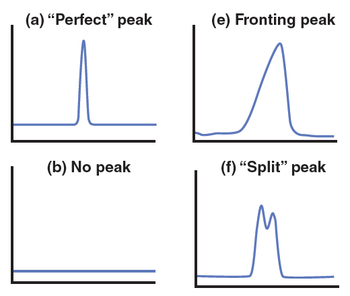
A critical step in any troubleshooting exercise—but one that I think is underappreciated—is recognizing that there is a problem to be solved.

Are generic workflows really needed in environmental analysis? In the end, it is the analyst— not instrumentation or software—that is in charge of what data are obtained, after thoughtfully considering what sample preparation and acquisition method to use.

This method greatly facilitates the analysis of a large number of pesticides.

We continue our “Critical Evaluation” series with a consideration of liquid chromatography (LC) methods that use mass spectrometric detection.

Better sample preparation and miniaturized separations are enhancing these analyses.

Sample preparation and analysis of pharmaceuticals in wastewater present unique challenges. Here, we describe those challenges.

With a new prototype, we explore how to improve the resolution power and usability of LC–MS instruments for routine analysis in pharmaceutical applications.