





Spanish scientists recently tested flow injection analysis–mass spectrometry (FIA–MS) and its effectiveness in detecting fraudulent substances in Coleus forskohlii food supplements.
Spanish scientists recently tested flow injection analysis–mass spectrometry (FIA–MS) and its effectiveness in detecting fraudulent substances in Coleus forskohlii food supplements.

Here is some of the most popular content posted on LCGC International this week.

Jiangsu Police Institute scientists recently created a solid-phase microextraction (SPME)-based method for determining amphetamine-type stimulants.

University of Oslo scientists combined electromembrane extraction (EME) and flow injection-MS/MS (FI–MS/MS) to determine polar endogeneous metabolites in human plasma.
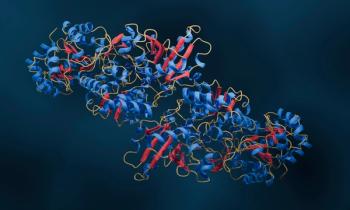
In this article, the use of comprehensive two-dimensional liquid chromatography (LC×LC) coupled to mass spectrometry (MS) for characterizing glycosylation of therapeutic enzymes is presented.
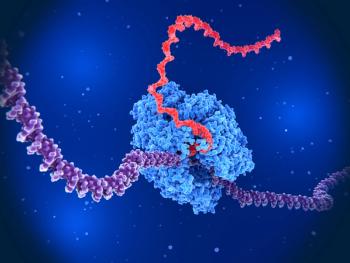
New gene therapy modalities, such as CRISPR guide RNA (single guide ribonucleic acid [sgRNA]) and messenger RNA (mRNA), continue to make progress in both primate and first-in-human trials. As this progress builds, the industry remains accountable for characterizing these molecules to meet the requirements of regulatory authorities.

In the first LCGC Blog of 2025, Caitlin Cain of the University of Michigan highlights the divide between gas and liquid chromatographers, and why both types of techniques should be in the same conversations.

In 2024, we launched a content series, covered major conferences, presented prestigious awards, and continued our monthly Analytically Speaking podcasts. Below, you'll find a selection of the most popular content from LCGC International over the past year.
Throughout 2024, the editors of LCGC International attended chromatography conferences across the globe. Below, you’ll find a sampling and overview of our conference coverage from the year.
This article highlights a curated selection of the most popular GC-related content, with a focus on the diverse applications of the technique, as featured in LCGC.

Schmitz's lab will now integrate the company’s structures for lossless ion manipulation (SLIM) technology into their research as part of this new partnership.

Webcasts
Webinar Date/Time: Wed, Jan 22, 2025 11:00 AM EST

Here is some of the most popular content posted on LCGC International this week.

Separation scientists frequently encounter critical pairs that are difficult to separate in a complex mixture. To save time and expensive solvents, an effective alternative to conventional screening protocols or mathematical peak width reduction is called iterative curve fitting.

Messina Institute of Technology scientists used gas chromatography–mass spectrometry (GC–MS) to profile illegal samples of Cannabis sativa L.
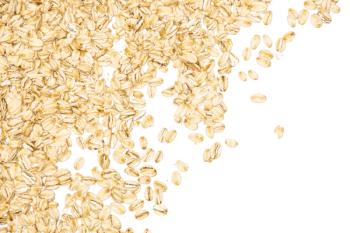
In the testing of six different oat brands, headspace sorptive extraction and comprehensive two-dimensional gas chromatography time-of-flight mass spectrometry (GC×GC–TOF-MS) reveal how various packaging types can affect and alter the oats’ volatile profile, underscoring the potential impact of packaging on food quality.

The Chromatographic Society (ChromSoc) has announced the winners of the Martin Medal and the Silver Jubilee Medal for 2025. Professor Bogusław Buszewski of Nicolaus Copernicus University in Torun, Poland, has been awarded the prestigious Martin Medal, and the 2025 Silver Jubilee Medal has been awarded to Elia Psillakis of the Technical University of Crete in Greece.

Known as “forever chemicals”, PFAS exposure has been linked indirectly and directly to a range of potential health issues. The objective of this study was the development of an optimized sample preparation and LC–MS/MS method for the analysis of PFAS in serum for biomonitoring applications.

Three analytical and two pre-treatment methods—gas chromatography–mass spectrometry (GC–MS), gas chromatography–tandem mass spectrometry (GC–MS/MS), and liquid chromatography–tandem mass spectrometry (LC–MS/MS) plus liquid-liquid extraction (LLE) and dried blood spot (DBS) —were compared for the quantitation and characterization of barbiturates.

The volatile organic compounds (VOCs) that make up the flavor profile of cigars are examined using gas chromatography (GC) and E-nose.

Shanghai University of Sport scientists recently developed a doping control method based on gas chromatography combustion isotope ratio mass spectrometry (GC/C/IRMS).

A scientist from Agilent Technologies spoke about research analyzing extractables and leachables identified in rubber gasket extracts.

As part of our RAFA 2024 coverage, we interviewed Rudolf Krska of BOKU University about his research on food safety, specifically regarding using analytical methods to mycotoxins and other secondary metabolites in plants and foods.

Michael Sulyok of the University of Natural Resources and Applied Life Sciences discusses a novel “dilute and shoot” LC–MS/MS technique to analyze mycotoxins in grain products.

As part of our EAS 2024 coverage, we recently interviewed Benjamin Garcia of the Washington University in St. Louis about his work and his being awarded the EAS Award for Outstanding Achievements in Mass Spectrometry.