






Ion suppression is a known matrix effect in electrospray ionization (ESI), ambient pressure chemical ionization (APCI), and desorption electrospray ionization (DESI).
Ion suppression is a known matrix effect in electrospray ionization (ESI), ambient pressure chemical ionization (APCI), and desorption electrospray ionization (DESI).

Scientists are investigating the effectiveness of different PFAS analysis techniques in aquatic environments.

Scientists from South Dakota State University and the University of Colorado School of Medicine created a system to detect traces of cyanide in blood samples using liquid chromatography–tandem mass spectrometry (LC–MS/MS).

Scientists recently used laser desorption ionization mass spectrometry (LDI-MS) to detect toxic alkaloids in traditional Chinese medicines (TCM).
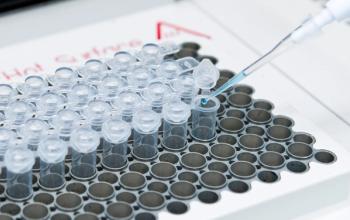
Microfluidic capillary electrophoresis mass spectrometry (CE-MS) using ZipChip technology provides intact mass evaluations and efficient separation of oligonucleotides.

Agilent Technologies presents this award to industry leaders as a means of supporting them through financial aid, products, and expertise, along with recognition.

At the Eastern Analytical Symposium (EAS) in Plainsboro, NJ, Sam Heckle, an analytical chemist from CEM Corporation, presented “The Importance of Digestion Temperature on Trace Metals Analysis”, where he discussed the do’s and don’ts of heavy metal analysis meant to get optimal digestion.

For the first time, inhibitors of a cyclooxygenase isoform were found in Allium ampeloprasum L., specifically the giant or “elephant” garlic grown in the Chiloé Archipelago.

Webcasts
Webinar Date/Time: Mon, Dec 4, 2023 11:00 AM EST

At the Eastern Analytical Symposium (EAS) in Princeton, New Jersey, LCGC magazine sat down with John McLean of Vanderbilt University to discuss his research and career in mass spectrometry.
A group of scientists created a minireview of the versatile nature of ion mobility–mass spectrometry (IM–MS), and how the technique can be used in different scenarios.

Kennedy is a professor at the University of Michigan.

Researchers used metabolomics analysis to measure different harvest times during the whole growing period of ligustri lucidi fructus (LLF), a traditional Chinese medicinal herb.

A group of scientists from the Luxembourg Institute of Science and Technology (LIST) tested different methods of using matrix-assisted laser desorption/ionization (MALDI) mass spectrometry imaging (MSI) to analyze human skin cells.

To combat fraudulent sales of low-aged ginseng disguised as high-aged ginseng, scientists from Shanghai University of Traditional Chinese Medicine created machine learning models to predict the ages of ginseng samples.
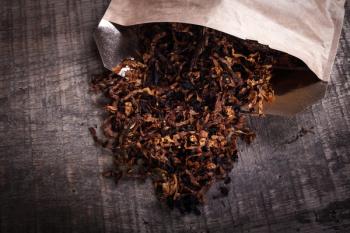
Scientists from Zhejiang, China recently conducted experiments meant to properly characterize sucrose ester isomers from tobacco samples.

Webcasts
Webinar Date/Time: Tuesday November 28, 2023 9:30 AM EST | 2:30 PM GMT | 3:30 PM CET Wednesday, November 29, 2023 9:30 AM EST | 2:30 PM GMT | 3:30 PM CET

The Column spoke with Ilaria Belluomo from Imperial College London, UK, about her research in breath analysis. She details her work into a noninvasive breath test that can be used to detect colorectal cancer using GC–MS. She also discusses the use of SIFT-MS for the analysis of VOCs in breath.

Scientists from the University of Maryland have created a system to analyze changes in a brain’s chief circadian pacemaker.

Troubleshooting continues to evolve constantly, changing how we overcome issues such as chemical causes of peak tailing.

Gas chromatography can be used in combination with molecular spectroscopy to provide structural and quantitative information on a variety of sample types.

Webcasts
Webinar Date/Time: Wed, Nov 15, 2023 11:00 AM EST 3:00 PM GMT | 4:00 PM BST

Ethylene-vinyl acetate (EVA) was used in tandem with high-resolution mass spectrometry (HRMS) because it was non-invasive and non-damaging to three letters written in the second half of the 15th century by Vlad III of Wallachia.

Among the chlorinated byproducts of water disinfection within the fresh-cut industry, haloacetic acids (HAAs) are known to pose a consumer health risk if they remain present in the treated product.

The α-glucosidase inhibitors (AGIs) were isolated from extracts of Agrimonia pilosa Ledeb (APL), which is a perennial herb used in traditional Chinese medicine (TCM).