




Scientists from Hangzhou, China used ultra-performance liquid chromatography mass spectrometry and non-targeted metabolomics studies to help find treatments for colorectal cancer.
Scientists from Hangzhou, China used ultra-performance liquid chromatography mass spectrometry and non-targeted metabolomics studies to help find treatments for colorectal cancer.

Alyssa Sanchez of Florida International University presented her research on profiling the decomposition of heroin from South America, Mexico, Southwest and Southeast Asia.

Researchers from Nanjing University of Chinese Medicine leveraged ultrahigh-pressure liquid chromatography coupled to quadrupole time-of-flight mass spectrometry (UHPLC–QTOF-MS) and network pharmacology to identify potential quality markers of three processed Qingpi products and elucidate their mechanism in liver disease treatment.

Researchers employed advanced chromatography and mass spectrometry techniques to unravel the chemical components and metabolites of Lingbao Huxin Dan, pinpointing its therapeutic potential for cardiovascular ailments.

Scientists in Mexico developed a new method for detecting herbicides in agricultural soil, being based on techniques like 9-fluorenylmethyl chloroformate (FMOC-Cl) and ultra-high performance liquid chromatography-tandem mass spectrometry (UHPLC-MS/MS).
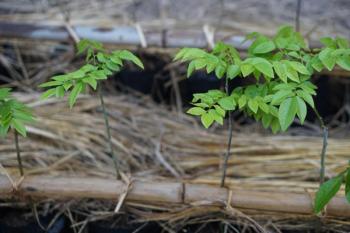
Researchers from the Chinese Academy of Medical Sciences and Peking Union Medical College categorize the cardioprotective effects and other characteristics of flavonoids from the species commonly known as Chinese rosewood.

This paper proposes a new method of flash qualitative identification (FQI) to qualitatively identify a certain target component from a mixture within half a second by disusing the analytical column, which is a time-consuming unit in current chromatography instruments. First, a Noised Spectrum Identification (NSI) model was constructed for the data set generated directly by diode array detector (DAD) without the process in an analytical column. Then, a method called vector error algorithm (VEA) was proposed to generate an error according to the DAD data set for a mixture and a specific spectrum for the target component to be identified. A criterion based on the error generated by the VEA is used to give a judgement of whether the specific spectrum exists in the DAD data set. Several simulations demonstrate the high performance of the FQI method, and an experiment for three known materials was carried out to validate the effectiveness of this method. The results show that the NSI model concurs with the real experiment result; therefore, the error generated by the VEA was an effective criterion to identify a specific component qualitatively, and the FQI method could finish the identification task within half a second.

The hyphenated method was combined with a gradient ultracentrifugation technique that allowed for lipoprotein fraction separations.

Scientists from Fudan University in Shanghai, China created a system for reducing retention-time variations in metabolomic analysis using ultrahigh-performance liquid-chromatography coupled with mass spectrometry (UPLC-MS).

This month we spoke to Zhuoheng Zhou from the Vrije Universiteit Brussel in Belgium about his research on advancing instrumental and column technologies for modern chromatography and its applications in novel biopharmaceutical modalities and proteomics.

A recent study published in the Journal of Separation Science reveals how ultrahigh-performance liquid chromatography tandem mass spectrometry (UHPLC–MS/MS) could be used to detect and quantify purine metabolites.

Kennedy is a professor at the University of Michigan.

Researchers used metabolomics analysis to measure different harvest times during the whole growing period of ligustri lucidi fructus (LLF), a traditional Chinese medicinal herb.

Among the chlorinated byproducts of water disinfection within the fresh-cut industry, haloacetic acids (HAAs) are known to pose a consumer health risk if they remain present in the treated product.

The α-glucosidase inhibitors (AGIs) were isolated from extracts of Agrimonia pilosa Ledeb (APL), which is a perennial herb used in traditional Chinese medicine (TCM).

Three different metrics were used experimentally, based on measurements of both NIST Standard Reference Material (SRM) 1950 and data obtained from murine kidney tissue.

At HPLC 2023, John Langley, a professor at the University of Southampton in Southampton, UK, presented a talk called "(R)evolution of Hyphenations, Through Open-Access RP-HPLC–MS, Open-Access UHPSFC–MS and 2D-LC–IMS-MS in Academia". He spoke with LCGC on the importance of open-access hyphenation, and how to implement it in your research.

Scientists used supercritical fluid chromatography (SFC) and ultrahigh-pressure liquid chromatography (UHPLC)—both coupled with high-resolution mass spectrometry (HRMS)—to analyze various types of chlorinated paraffins (CPs) in fish oil-based dietary supplements.

Results from our recent survey on sample preparation techniques uncover trends in the field over the last generation and their impact going forwards.

Small modifications to the way measurements are approached can enable reductions in the waste generated and carbon dioxide produced during an analysis.

The success of screening column and mobile phase combinations that generate dissimilar selectivity is highlighted in a typical method development strategy.

This instalment of “Column Watch” presents many of the highlighted topics and trends observed at this exceptionally well-run symposium.

Trypsin is one of the most commonly used proteases in peptide mapping protocols because of its high level of specificity. However, trypsin alone is not always sufficient for full sequence coverage. In this article, the authors detail how trypsin was combined with chymotrypsin to overcome this, and the benefits of an automated platform.

Sauce-flavor or sauce-aroma baijiu, one variant of a popular Chinese liquor, is treated with a fermentation starter called daqu, giving the concoction a unique taste profile, and scientists want more information about how it can inform the manufacturing of higher-quality baijiu.

While both branched-chain fatty acids (BCFAs) and straight-chain fatty acids (SCFAs) were analyzed, the profiling of BCFAs was considered especially important for future metabolomics and lipidomics studies.