


This article explores how multiple detectors, particularly light scattering detectors, may be used for size-exclusion chromatography (SEC) in protein analysis.


This article explores how multiple detectors, particularly light scattering detectors, may be used for size-exclusion chromatography (SEC) in protein analysis.

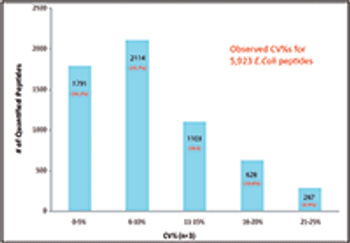
This article describes the development of a new data-independent acquisition (DIA) workflow for protein quantification that uses a mass spectrometer that combines three types of mass analyzers to achieve lower limits of detection (LOD), higher sensitivity, more accurate quantitative results, wider dynamic range, and better reproducibility than existing high-resolution accurate-mass (HRAM) tandem mass spectrometry (MS-MS) DIA workflows.

An overview of the analytical approaches used for the analysis of biomolecules

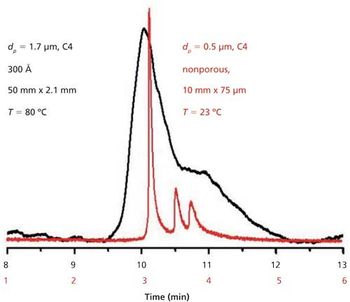
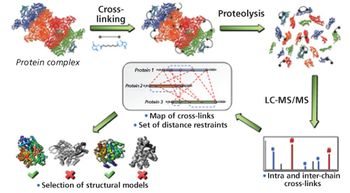
Translational proteomics has not been as successful as originally anticipated. Because mass spectrometry (MS) can separate proteins at the sequence level, it provides the selectivity needed for this application; however, traditional challenges still exist, including time-to-result, throughput, and sample-size requirements.

The modern usage and specific applications of HILIC for two other major classes of analytes - glycopeptides and glycoproteins - are discussed.

Answers to common questions about HILIC, and an overview of its application to biopharmaceutical analysis.

This article highlights some selected examples of the power of liquid chromatography combined with mass spectrometry (LC–MS) in the development of protein biopharmaceuticals.

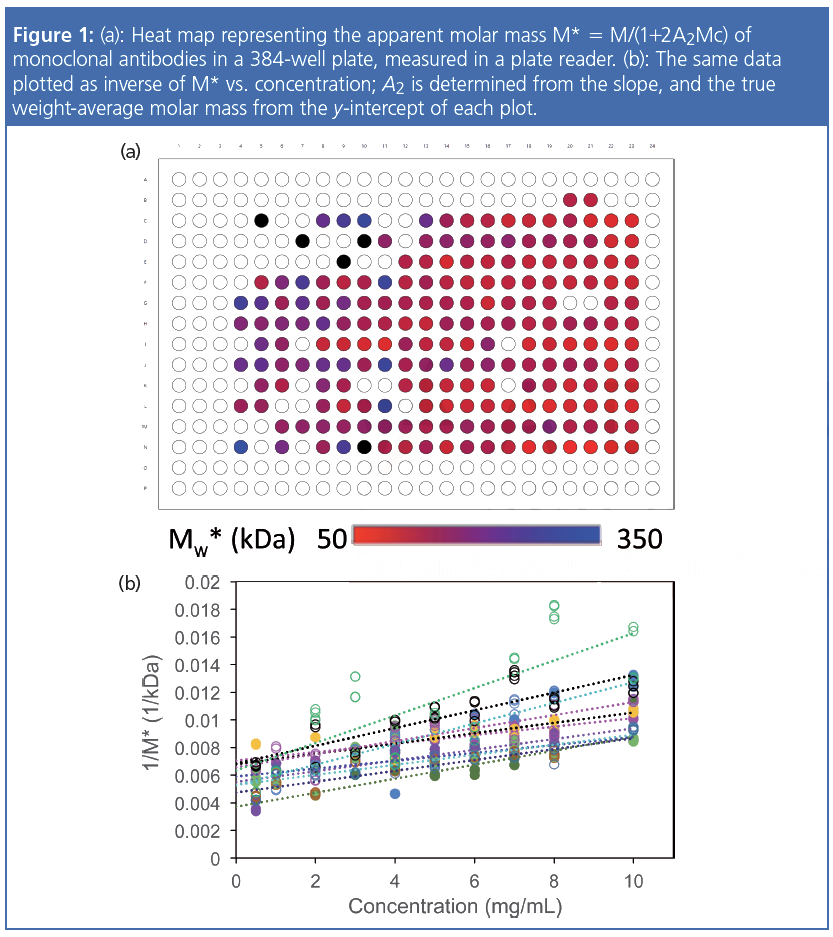
In biopharmaceutical development the stability of biological molecules in drug formulations is important. This article describes three different approaches to the measurement and quantification of aggregates in protein solutions, and highlights the range of information that each technique can provide about the sample.

An overview of the important and versatile role that capillary electrophoresis coupled to mass spectrometry plays in the biopharmaceutical analysis.

An overview of the important and versatile role that capillary electrophoresis coupled to mass spectrometry plays n biopharmaceutical analysis.

CE–MS using noncovalent coated capillaries provides advantages for purity and stability analysis of biopharmaceuticals.

For PAT, you need to choose the right analytical methods. Here's how.

A discussion of how UHPLC is used to conduct intact protein–antibody analysis and glycoprofiling to characterize biopharmaceutical drugs

A description of the use of UHPLC in the biopharmaceutical industry to characterize drug substances through peptide mapping and amino acid analysis

Glycoproteins appear to have become the most common biopharmaceutical product today, and they also seem to be increasing in popularity and importance with time.

The authors describe the most common cell-based protein expression systems and purification strategies used in the biotechnology industry.

In the first installment of LCGC's newest column, the authors address the topic of analytical biotechnology.

The authors explore how true (complete) method validation of biopharmaceuticals must be forthcoming.

This installment of "Validation Viewpoint" column addresses, in the hopes of clarifying what the biopharmaceutical industry is required to do today to identify and quantify impurities in their biotech, proteinaceous products.

A common endpoint for a biomarker discovery experiment is a list of putative marker proteins. The next step is then to perform targeted quantitative measurements of these proteins in an expanded patient population to assess their validity as markers. Analytical accuracy and precision are required for unambiguous quantitative analysis of targeted proteins from very complex mixtures. Wide dynamic range and high sensitivity are critical for detecting low-abundance proteins. Such an assay also is appropriate for "targeted discovery" experiments, where the goal is to quantitate a large number (up to hundreds) of known proteins in a complex sample.

This article describes the current situation in FDA-regulated areas, as well as characterization of these products. Finally,the author discusses the various stages of early- and late-phase product developments.

In this first installment of this new column, editor Tim Wehr explores the evolution of drug discovery and the analytical challenges that lie ahead.