

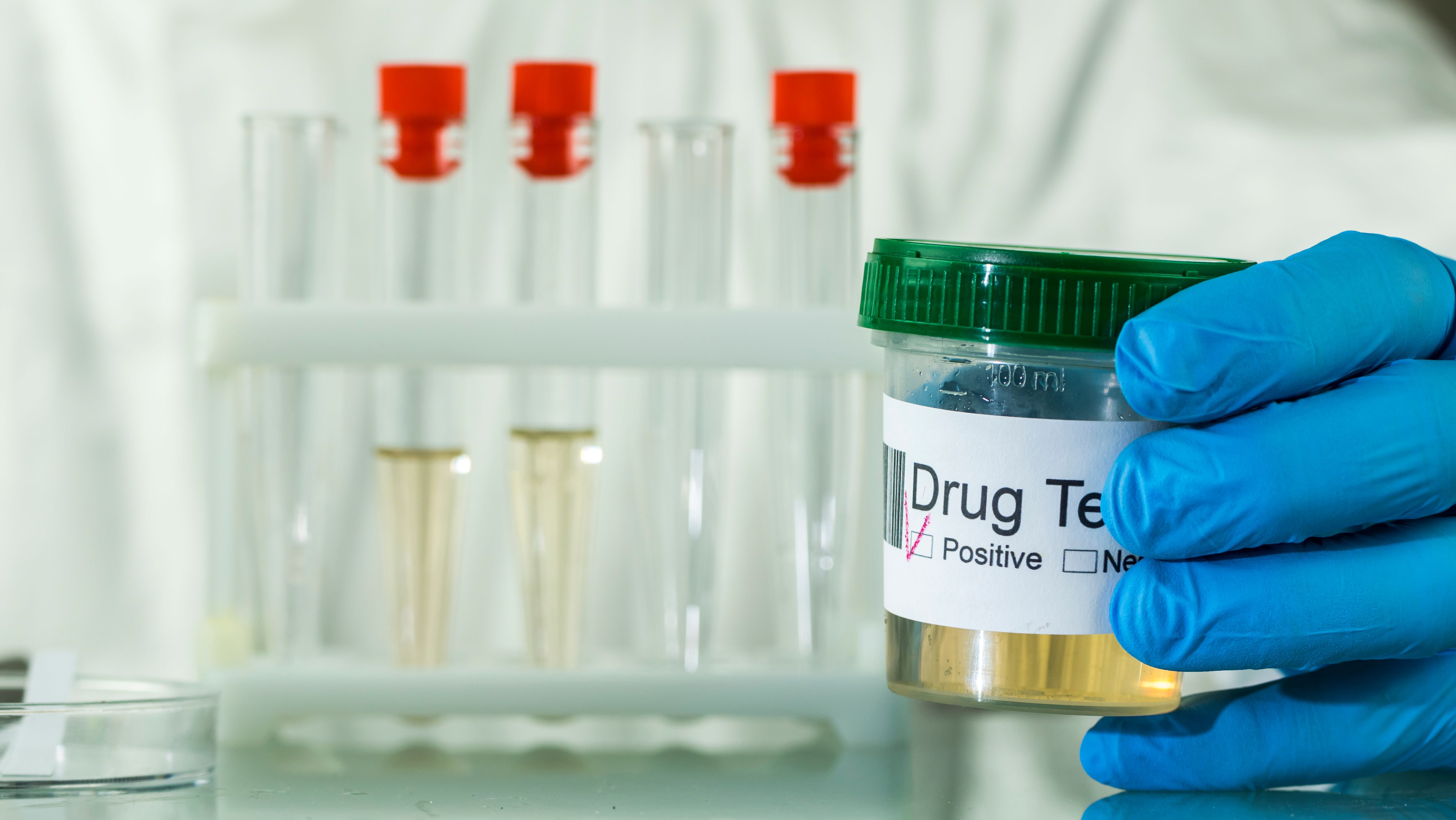


Mixed-mode cationic exchange (MCX) sorptive tapes combined with direct infusion mass spectrometry enable selective extraction and rapid analysis of cationic compounds in complex samples, such as opioids in saliva.


Synergistic Enhancement of Chiral Discrimination in Capillary Electrophoresis Using Deep Eutectic Solvents and Amino Acid-Based Ionic Liquids
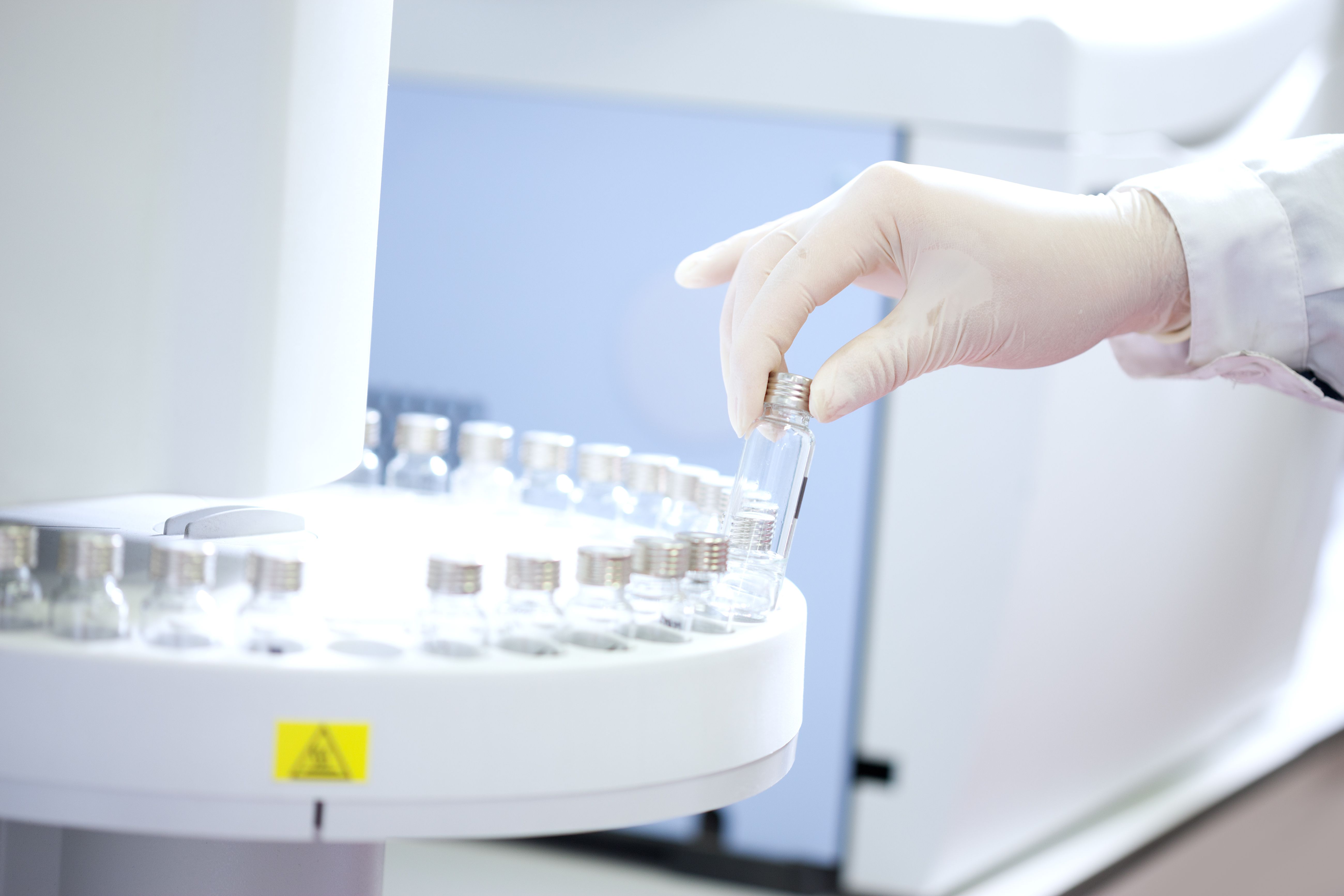
New Algorithm Enables Confidence Intervals for Quantitation of Coeluted Peaks in Liquid Chromatography
Mixed-mode cationic exchange (MCX) sorptive tapes combined with direct infusion mass spectrometry enable selective extraction and rapid analysis of cationic compounds in complex samples, such as opioids in saliva.

The latest research news and news in brief.

This article explores what this transition to newer technology looks like, with an example applied to determining organic impurities of pramipexole dihydrochloride.

Why is SFC becoming increasingly more important as a sustainable analytical technique?

Researchers have developed polyacrylamide hydrophilic stationary phases with adjustable performance. The innovative approach allows for customized separation capabilities, enhancing the efficiency and versatility of chromatographic techniques. The findings open up new possibilities for natural product chemistry and pharmaceutical research.

What you need to know about pharmaceutical regulations as an analytical chemist is provided here, including an explanation about how working in a Good Manufacturing Practice (GMP) environment can yield positive results.

Superficially porous particle (SPP) column technology is leveraged to optimize high-throughput HPLC methods for small-molecule drug discovery, resulting in improved efficiency and reduced runtime.

An analytical team has successfully developed a novel strategy for the separation of sanshools from Zanthoxylum bungeanum oleoresin using countercurrent chromatography, providing valuable insights for the separation of compounds with similar chemical properties.

Researchers in Iran utilize graphene oxide aerogels to significantly improve the extraction and analysis of risperidone from plasma samples, offering enhanced accuracy and efficiency in pharmaceutical analysis.

A new publication introduces a groundbreaking automated system for high-throughput mass spectrometry analysis, reshaping the future of biotherapeutic characterization.

Metabolic Perturbation Score-Based Mass Spectrometry Imaging (MPS-MSI) offers spatially resolved insights into the functional metabolic response, facilitating a deeper understanding of disease progression and drug action, and paving the way for improved therapeutic strategies and targeted interventions.

Scientists have developed an automatic and highly efficient method to authenticate single herbal powders using microscopy-guided in situ auto-sampling combined with matrix-assisted laser desorption–ionization mass spectrometry (MALDI–MS).

A recent study has found that using only seven points across an LC–MS/MS peak can provide sufficient accuracy and precision for drug quantitation studies in drug discovery and development, challenging the "rule-of-thumb" of using at least 15 points.

A new article discusses the benefits and drawbacks of RPLC and RPLC×RPLC chromatography techniques. It provides recommendations for selecting the best approach for analyzing small pharmaceuticals and peptides.

Scientists have developed a magnetic ionic liquid hypercrosslinked polymer composite for use in magnetic solid-phase extraction (MSPE) of non-steroidal anti-inflammatory drugs (NSAIDs), which was coupled with high-performance liquid chromatography (HPLC) for the detection of trace amounts of NSAIDs in water and urine samples.

New article reviews the progress in suppression techniques for ion chromatography from 1981 to 2022, with an emphasis on the last ten years, and discusses the current challenges and future prospects regarding suppressors.

Scientists propose a gel-free hybridization assay using peptide nucleic acid (PNA) probes and capillary electrophoresis (CE) for qualitative and quantitative analysis of nucleic acid therapeutics.

Researchers have developed a new model for achiral chromatography (ACh) that can separate non-racemic mixtures of enantiomers.

In the first of a two-part series, a recent study discusses a new strategy for assessing the peak purity of pharmaceutical peptides analysis using 2D-LC–MS.

Webcasts
Webinar Dates/Times: Session 1 (EU): Wednesday, May 17th, 2023 at 2pm BST | 3pm CEST | 9am EDT Session 2 (NA): Wednesday, May 17th, 2023 at 1pm EDT | 10am PDT | 6pm BST Session 3 (APAC): Thursday, May 18th, 2023 at 12pm JST | 11am CST | 11pm EDT

Sartans are important drugs that help treat hypertension and heart failure. However, since their recall in 2018 because of the presence of genotoxic impurities in these drugs, researchers are tackling the question of how to detect these impurities in these drugs before they go to market. This article describes a HPLC–APCI-MS/MS method that can help in this endeavor.

Solid-phase microextraction combined with mass spectrometry improves our ability for rapid drug screening.

SIFT–MS analysis has potential to screen large numbers of packaging samples for the volatile MOH fraction, providing a rapid indication of packaging material contamination.

The current challenges and future perspectives of the purification of cannabinoids from cannabis extracts are presented in this review article.
Webcasts
Webinar Date/Time: Wednesday, April 19, 2023